
 EN

Sourcing the right ac condenser is a critical decision for auto parts buyers who need to balance performance, durability, cost-effectiveness, and vehicle compatibility. An ac condenser is the heat exchanger component responsible for converting high-pressure refrigerant gas into liquid, which is essential for proper vehicle air conditioning function. When procurement teams evaluate suppliers and products, multiple factors must be weighed to ensure the ac condenser meets both OEM specifications and operational demands. This guide explores the key considerations that distinguish a strategic ac condenser sourcing decision from a purely transactional purchase.
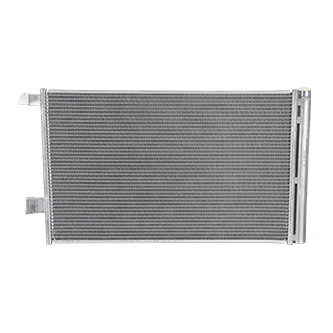
For buyers in the automotive aftermarket, understanding what separates quality ac condenser options from inferior alternatives can prevent costly downtime, warranty claims, and customer dissatisfaction. The ac condenser market includes various construction materials, cooling capacities, and integration levels, each suited to different vehicle platforms and use cases. A systematic evaluation approach ensures that your ac condenser selection aligns with fleet needs, budget constraints, and long-term reliability objectives.
Material Quality and Construction Standards for AC Condenser Selection
Aluminum Versus Copper-Brass AC Condenser Construction
The choice between aluminum and copper-brass ac condenser construction significantly impacts durability, weight, and cost. Modern vehicles increasingly favor aluminum ac condenser designs because they offer superior thermal efficiency, reduced vehicle weight, and corrosion resistance when properly treated. Copper-brass ac condenser units, while traditional and sometimes less expensive, are heavier and require more maintenance to prevent oxidation. When evaluating an ac condenser from potential suppliers, verify the material composition and confirm it matches OEM specifications for your target vehicle platform. Aluminum ac condenser technology has become the industry standard for newer models, offering better heat dissipation per unit weight compared to older copper-based ac condenser alternatives.
Fin Density and Heat Transfer Performance
Fin density directly influences the ac condenser's ability to reject heat efficiently. Higher fin density in an ac condenser allows greater surface area contact with ambient air, improving cooling performance under demanding conditions. However, excessively dense fins on an ac condenser can restrict airflow and increase pressure drop, potentially reducing overall system efficiency. Buyers should request specification sheets from suppliers that detail ac condenser fin geometry, material thickness, and tested thermal capacity. The optimal ac condenser fin design balances maximum heat transfer with acceptable airflow resistance, typically verified through standardized thermal testing protocols that measure ac condenser performance across temperature ranges and driving conditions.
Compatibility, Application Fit, and Technical Specifications
OEM Cross-Reference and Vehicle Platform Alignment
Every ac condenser must be validated against specific vehicle makes, model years, engine sizes, and transmission types to ensure drop-in compatibility. An ac condenser designed for one platform may have different connection fittings, physical dimensions, or refrigerant circuit configurations that render it incompatible with another platform. Buyers must maintain comprehensive cross-reference databases that link each ac condenser SKU to applicable vehicle applications, and verify this information against multiple sources including OEM parts catalogs and independent aftermarket guides. Sourcing an ac condenser without rigorous compatibility verification leads to returns, installation delays, and customer frustration. Many suppliers provide ac condenser fitment charts, but these should be independently validated against current automotive technical databases to catch errors or outdated information.
Receiver-Drier Integration and System Compatibility
Some ac condenser assemblies are sold as integrated units that include the receiver-drier component, while others are standalone ac condenser cores without desiccant functionality. The decision to source an ac condenser with integrated receiver-drier depends on system design, replacement protocols, and cost structure. Integrated ac condenser and receiver-drier assemblies simplify installation and ensure proper charge capacity management, but they may cost more upfront than purchasing separate components. Standalone ac condenser units offer flexibility and potentially lower per-unit costs when working with established suppliers, though technicians must ensure the receiver-drier is replaced separately if required. Buyers should clarify whether your supply chain and installation procedures are optimized for combined or separate ac condenser and receiver-drier sourcing before committing to a supplier relationship.
Supplier Reliability, Quality Assurance, and Long-Term Support
Manufacturing Standards, Certifications, and Traceability
Reputable suppliers provide ac condenser products manufactured under ISO 9001 or equivalent quality management systems, with documented process controls and traceability records. An ac condenser produced under rigorous quality standards undergoes pressure testing, leak detection, and thermal performance validation before shipment. Buyers should request certificates of compliance, test reports, and supply chain documentation from prospective ac condenser suppliers to verify manufacturing integrity. Third-party audits of ac condenser production facilities provide additional assurance that products meet stated specifications consistently. Quality certifications are not mere paperwork; they represent process discipline that reduces the likelihood of ac condenser defects reaching your customers or end-users in the field.
Warranty Coverage and Technical Support Infrastructure
The warranty terms accompanying an ac condenser purchase reflect the supplier's confidence in product quality and durability. Standard automotive ac condenser warranties typically range from one to three years, depending on supplier positioning and risk tolerance. Buyers should compare not only warranty length but also what failures the warranty covers, geographic service availability, and response timeframes for ac condenser claims. A supplier offering comprehensive technical support, installation guidance, and troubleshooting assistance for ac condenser products provides value beyond the hardware itself. When problems arise in the field, having a responsive ac condenser supplier partner ensures rapid replacement and maintains customer relationships. Evaluate supplier communication channels, documentation quality, and commitment to resolving ac condenser issues before establishing long-term sourcing agreements.
Cost Optimization, Volume Economics, and Total Cost of Ownership
Pricing Structure and Volume Discount Negotiations
Ac condenser pricing varies considerably based on material quality, application complexity, and order volume. Buyers with predictable demand can negotiate volume-based pricing with suppliers, securing better per-unit costs on ac condenser inventory. However, large ac condenser commitments require accurate demand forecasting to avoid excess inventory and obsolescence risk. Transparent pricing from suppliers should itemize material costs, manufacturing margin, logistics, and any additional services bundled into the ac condenser offering. Comparing unit pricing alone without considering quality, warranty, and support may lead to false economy; an cheaper ac condenser that fails prematurely generates warranty costs and reputational damage far exceeding initial savings.
Supply Chain Efficiency and Logistics Considerations
Evaluating an ac condenser supplier's fulfillment capabilities, inventory depth, and lead time consistency is essential for managing your operational efficiency. Suppliers maintaining regional ac condenser stock can provide faster delivery and reduced expediting costs compared to long-lead international sourcing. Assess whether the ac condenser supplier offers flexible order quantities, drop-ship capabilities, or consignment arrangements that align with your distribution model. Total cost of ownership for an ac condenser extends beyond purchase price to include freight, inventory carrying costs, potential markdowns on slow-moving SKUs, and emergency procurement premiums. Buyers optimizing long-term profitability negotiate ac condenser terms that balance per-unit pricing, service level commitments, and supply chain flexibility.
FAQ
What is the typical lifespan of an ac condenser before replacement is needed?
An ac condenser typically lasts eight to ten years under normal operating conditions, though lifespan varies based on climate, driving patterns, and maintenance. An ac condenser subjected to frequent high-temperature operation or poor system maintenance may fail sooner, while properly maintained ac condenser units in moderate climates often exceed expected service life. Regular ac condenser inspection and preventive refrigerant system maintenance extend component longevity and identify potential issues before catastrophic failure occurs.
How do I verify that an ac condenser is compatible with a specific vehicle model?
Verify ac condenser compatibility by cross-referencing the vehicle's VIN, model year, engine size, and transmission type against OEM parts catalogs and supplier fitment databases. The ac condenser part number from the vehicle's original system should match available replacement options, or the supplier should provide documented equivalency information. Always request fitment confirmation from the ac condenser supplier before purchase to prevent costly incompatibilities during installation.
Should I source a combined ac condenser and receiver-drier unit or separate components?
The decision depends on your repair protocols, customer expectations, and cost structure. A combined ac condenser and receiver-drier unit simplifies installation and ensures proper system integration, though it costs more initially. Separate sourcing of ac condenser and receiver-drier components offers flexibility and potentially lower per-unit costs, but requires ensuring technicians replace the receiver-drier when replacing the ac condenser to maintain system reliability.