
 EN
EN
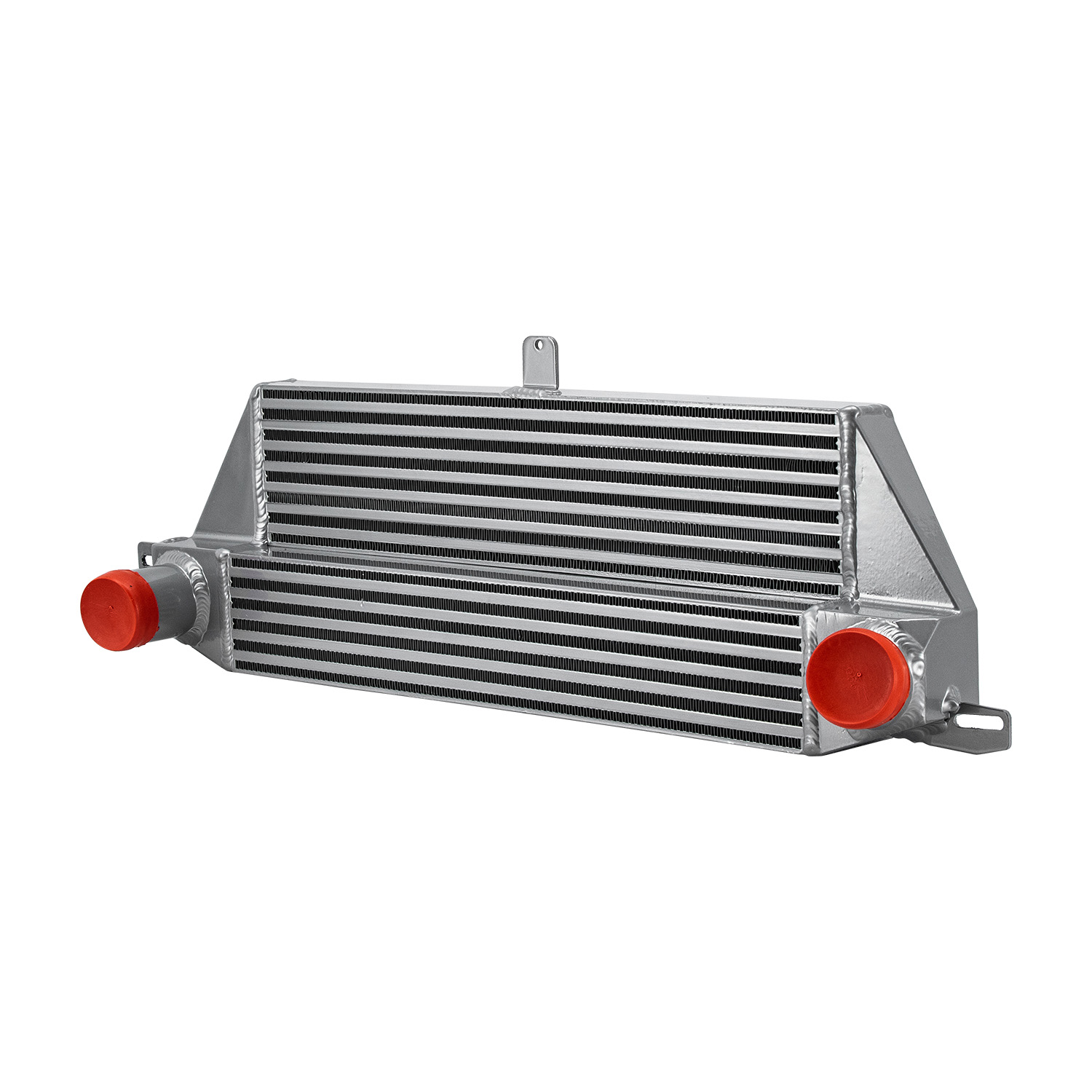
Selecting the right heavy duty radiators for John Deere equipment is essential for maintaining engine performance and longevity in demanding agricultural and industrial applications. The cooling system directly impacts engine efficiency, fuel consumption, and overall equipment reliability. Understanding which specifications matter most helps operators and fleet managers make informed purchasing decisions that reduce downtime and extend equipment life. Heavy duty radiators for John Deere must meet strict performance standards to handle intense working conditions, extended operating hours, and variable climate environments.
A properly functioning radiator prevents engine overheating, maintains optimal operating temperatures, and protects against costly mechanical failures. Heavy duty radiators for John Deere tractors require careful evaluation of cooling capacity, construction materials, mounting compatibility, and flow rates to ensure they deliver reliable performance season after season. This guide explores the critical specifications that define quality, durability, and functional alignment with your specific John Deere model and operational requirements.
Cooling Capacity and Heat Dissipation Performance
Understanding BTU Ratings and Flow Requirements
Cooling capacity, measured in British Thermal Units (BTU), represents the radiator's ability to remove heat from engine coolant. Heavy duty radiators for John Deere must match or exceed the engine's heat rejection requirements under full load conditions. A radiator undersized for your equipment's operating demands will fail to maintain proper coolant temperature, forcing the engine to work harder and risking overheating. Engine displacement, power output, and intended use determine the minimum BTU rating necessary. Flow rate specifications, measured in gallons per minute (GPM), work in conjunction with cooling capacity to ensure consistent thermal management throughout extended operating cycles.
Matching Capacity to Operational Demands
Agricultural equipment typically operates under variable thermal loads depending on season, terrain, and task intensity. Heavy duty radiators for John Deere used in hot climates or during peak harvest seasons face greater cooling demands than equipment operating in moderate conditions. Selecting a radiator with overcapacity provides a safety margin that reduces stress on the cooling system and extends component lifespan. Professional assessments of your specific operating environment, daily runtime hours, and regional temperature patterns inform the appropriate cooling capacity selection for your application.
Construction Materials and Durability Standards
Core and Tank Material Specifications
The radiator core composition directly influences durability, corrosion resistance, and heat transfer efficiency. Aluminum cores offer superior thermal conductivity and lightweight properties, making them ideal for heavy duty radiators for John Deere modern equipment. Copper-brass construction provides excellent longevity and corrosion resistance in harsh agricultural environments where exposure to fertilizers, pesticides, and road salt accelerates deterioration. Heavy duty radiators for John Deere must utilize tanks and headers that resist internal corrosion from coolant chemicals and external corrosion from environmental contaminants. Material thickness and welding quality determine the radiator's pressure tolerance and structural integrity under demanding field conditions.
Seal and Gasket Integrity
Coolant leaks represent a primary cause of radiator failure in agricultural equipment. Quality heavy duty radiators for John Deere employ premium rubber gaskets and integrated seals engineered to withstand temperature fluctuations, vibration, and pressure cycling over thousands of operating hours. Inspection of gasket material composition, seal placement, and connection points helps identify radiators built to withstand the rigorous thermal and mechanical stresses inherent to heavy equipment operation. Superior gasket materials remain flexible across temperature ranges from below freezing to sustained high-heat conditions, maintaining watertight performance throughout the equipment's service life.
Mounting Compatibility and Installation Specifications
Frame Mounting and Dimensional Accuracy
Proper radiator fit requires precise dimensional alignment with the equipment frame, fan assembly, and coolant line connections. Heavy duty radiators for John Deere must match OEM specifications for height, width, and depth to ensure correct positioning within the engine compartment and optimal airflow through the core. Mounting bracket design and bolt hole positioning must accommodate the specific frame geometry of your model generation and variant. Incorrect dimensional fit results in improper fan clearance, restricted airflow, coolant line strain, and potential mechanical contact damage during equipment vibration.
Coolant Connection Specifications
Heavy duty radiators for John Deere require compatible inlet and outlet connections that match hose diameters and thread patterns on your equipment's cooling system. Connection size, thread type, and positioning determine whether replacement radiators integrate seamlessly with existing coolant lines or require costly adapter modifications. Proper connection orientation ensures optimal coolant flow direction through the radiator core, maximizing heat transfer efficiency and preventing air pockets that reduce cooling performance. Verifying that replacement units match original equipment connection specifications eliminates installation complications and ensures reliable long-term performance without leaks or flow obstruction.
Pressure Rating and Thermal Management Features
System Pressure Tolerance
Heavy duty radiators for John Deere must accommodate the pressure settings of your equipment's cooling system, typically ranging from 12 to 18 PSI for standard tractor applications. Radiator core construction and tank wall thickness determine maximum pressure tolerance without rupture or seal failure. Pressure ratings that exceed system specifications indicate robust construction capable of handling pressure surges from thermostat cycling and coolant thermal expansion. Understanding your equipment's pressure rating ensures the replacement radiator maintains system integrity throughout its operational life without risk of pressure-related failure.
Fin Density and Core Design
Fin density, measured in fins per inch (FPI), directly influences the surface area available for heat transfer. Heavy duty radiators for John Deere typically utilize 8 to 12 FPI core designs that balance thermal efficiency with air-blocking resistance in dusty agricultural environments. Higher fin density increases cooling capacity but also increases susceptibility to dust and debris accumulation, requiring more frequent cleaning. Core design specifications including tube arrangement, fin material, and turbulence-inducing features optimize heat transfer rates while maintaining operational reliability in field conditions where cooling efficiency declines from dust exposure.
Performance Validation and Selection Guidance
Specification Verification During Selection
Before purchasing replacement heavy duty radiators for John Deere equipment, verify your tractor's specific cooling requirements by reviewing the operator manual and OEM specifications. Document the exact model designation, engine displacement, manufacturing year, and any previous cooling system modifications that affect radiator compatibility. Consulting with authorized John Deere dealers or qualified radiator specialists provides access to technical documentation and compatibility confirmation that prevents costly installation errors. Comparing proposed replacement specifications against OEM baseline standards ensures the selected radiator delivers the thermal performance and durability your operational requirements demand.
Long-Term Performance Considerations
Heavy duty radiators for John Deere represent a long-term investment in equipment reliability and operational efficiency. Selecting radiators built to exceed OEM specifications provides insurance against future cooling capacity shortfalls as equipment ages or operational demands intensify. Regular maintenance including coolant flushing, hose inspection, and fin cleaning extends radiator lifespan and preserves thermal performance. Quality radiators with proven durability records and comprehensive manufacturing warranties deliver superior value compared to budget alternatives that fail prematurely and require costly emergency replacement during critical operational periods.
FAQ
What cooling capacity should my John Deere radiator have?
Your John Deere radiator cooling capacity depends on engine displacement, horsepower, and operational environment. Consult your equipment manual for the OEM BTU specification, then consider adding 10-15% capacity margin if your operation involves hot climates or extended peak-season use. Heavy duty radiators for John Deere typically range from 40,000 to 80,000 BTU capacity depending on tractor size and intended purpose. Undersized radiators risk engine overheating, while properly sized or slightly oversized units provide reliable thermal management without excessive cooling lag.
How do I ensure compatibility when replacing a radiator?
Verify three critical compatibility factors: dimensional fit within your equipment frame, coolant connection specifications including hose diameters and thread patterns, and pressure system requirements. Document your exact John Deere model designation, manufacturing year, and engine type before contacting radiator suppliers. Heavy duty radiators for John Deere must match these specifications precisely to avoid installation complications and performance issues. Many replacement radiators offer cross-reference compatibility information, but confirming dimensional and connection compatibility through direct specification comparison prevents costly errors.
Why should I choose heavy duty radiators for John Deere over standard alternatives?
Heavy duty radiators for John Deere withstand extended operating hours, intense thermal loads, and harsh field conditions better than basic alternatives. Enhanced core construction, superior gasket materials, and robust pressure tolerances extend service life significantly compared to economy radiators prone to premature failure. The reliability gain justifies the investment through reduced downtime, fewer emergency replacements during critical seasons, and improved resale value for your equipment. Professional operations depend on heavy duty radiators for John Deere to maintain consistent uptime and protect the substantial capital investment represented by the equipment itself.