
 EN
EN
Importers of heavy duty radiators face a critical challenge: ensuring that each unit delivers the correct John Deere radiator cooling capacity for specific tractor models. Fitment verification is not optional; it directly impacts engine longevity, fuel efficiency, and operational safety. Without proper verification protocols, importers risk shipping incompatible units that damage engines or fail prematurely in the field.
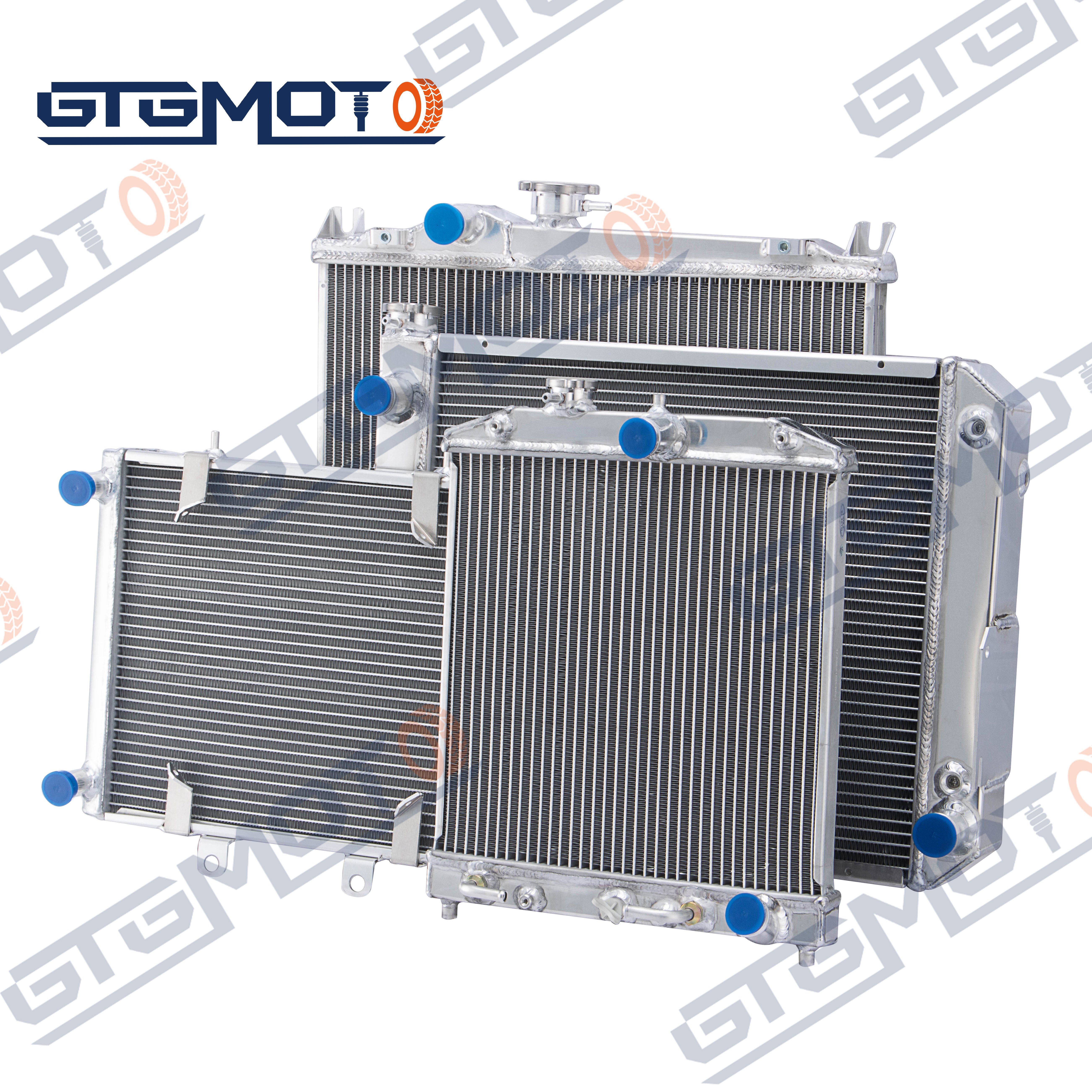
Verifying fitment requires a systematic approach combining technical documentation, model cross-referencing, and physical inspection. Industrial importers must understand that John Deere radiator cooling capacity specifications vary significantly across model lines and production years. This guide walks through the essential verification steps that distinguish professional importers from those who cut corners and face costly returns.
Understanding Model-Specific Cooling Requirements
Identifying the Correct Specification Database
The foundation of fitment verification begins with accessing accurate OEM specification documents. John Deere radiator cooling capacity is documented in technical service manuals and parts catalogs specific to each model generation. Importers must obtain official documentation directly from John Deere or authorized distributors rather than relying on incomplete third-party sources.
Cross-referencing the model number, serial range, and production year ensures you identify the exact cooling capacity requirement. For heavy duty tractors like the 850, 900HC, and 950 series, radiator specifications include core size, fin density, tank material, and BTU dissipation ratings. Each specification directly affects whether a radiator will function correctly within the engine's thermal management system.
Analyzing Production Year Variations
John Deere radiator cooling capacity specifications have evolved across decades. Earlier models may use different tank designs or core dimensions than modern equivalents. Importers must verify that the radiator being sourced matches the exact production year or year range specified in purchase orders.
Engine displacement, operating environment, and duty cycle all influence the required cooling capacity. A radiator designed for a 1995 model may physically mount on a 2005 model but provide insufficient cooling capacity, resulting in engine overheating and field failures. Documentation from the original equipment manufacturer prevents this costly mismatch.
Physical and Dimensional Fitment Verification
Measuring Core and Tank Dimensions
Once the specification is identified, physical verification begins with measuring the radiator core height, width, and depth. John Deere radiator cooling capacity depends partly on core surface area; a radiator with insufficient dimensions cannot dissipate the required heat load regardless of fin design. Importers should compare measured dimensions against OEM drawings using precision calipers or digital measurement tools.
Tank configuration—whether single pass, dual pass, or cross-flow—affects cooling performance. Tank material also matters; aluminum tanks expand differently than brass or copper under thermal stress. Comparing actual tank construction against technical specifications ensures the radiator will integrate properly with the tractor's cooling circuit.
Checking Mounting Bracket and Connection Points
Radiators must mount securely within the engine compartment frame. John Deere tractors use model-specific mounting brackets and vibration isolation points. Importers must verify that the source radiator includes or accepts the correct bracket configuration without modification.
Connection ports for inlet and outlet hoses must match the size and thread specification documented in the OEM manual. Mismatched ports require custom adapters, which compromise seal integrity and create leak risks. Cross-checking port diameter, thread type, and angle against original specifications prevents field assembly delays.
Cooling Capacity and Thermal Performance Validation
Reviewing BTU Rating and Heat Dissipation Capacity
John Deere radiator cooling capacity is ultimately measured in BTU (British Thermal Units) per hour under specified operating conditions. This rating reflects the core design, fin density, and airflow path. Importers must confirm that the source radiator's BTU rating equals or exceeds the OEM requirement for the target model.
Fin count, material gauge, and solder quality all affect heat transfer efficiency. A radiator with lower fin density may physically fit the space but fail to maintain proper engine temperature during peak load operation. Technical data sheets from the manufacturer should document BTU capacity with reference to ambient temperature and airflow assumptions.
Assessing Pressure Rating and Seal Integrity
Modern cooling systems operate under pressure to raise the boiling point of coolant. John Deere radiator cooling capacity includes a specified pressure rating, typically 13–18 PSI for heavy duty applications. The radiator must be tested and certified to hold this pressure without leaking.
Importers should request pressure test documentation or conduct hydrostatic testing on sample units before bulk shipment. Weak solder joints, corrosion pitting, or manufacturing defects can cause catastrophic coolant loss in the field, resulting in engine seizure. Pressure integrity verification is a non-negotiable quality checkpoint.
Documentation and Traceability Protocols
Establishing Serial Number and Batch Tracking
Professional importers maintain detailed records linking each radiator to its specification verification. Serial numbers, manufacturing batch codes, and test dates create a traceable chain of custody. If a field failure occurs, this documentation enables rapid root cause analysis and corrective action.
John Deere radiator cooling capacity verification must be documented at the importer level before shipment to distributors or end customers. This includes signed-off specification cross-reference sheets, physical inspection checklists, and pressure test certificates. Digital tracking systems reduce manual error and support warranty claim management.
Maintaining Compliance Records
Importers working with commercial fleet operators or rental companies face strict compliance requirements. Documentation of fitment verification protects the importer from liability claims and supports customer confidence. Records should be retained for the radiator's service life, typically 7–10 years for heavy duty agricultural equipment.
Compliance also includes verifying that cooling system hoses, clamps, and thermostats match the radiator specifications. A verified radiator installed with incompatible accessory components will still fail. Comprehensive verification extends beyond the radiator itself to the entire cooling system assembly.
FAQ
How do I confirm John Deere radiator cooling capacity matches my tractor model?
Consult the official John Deere technical service manual for your specific model and serial range. The manual lists the exact radiator core dimensions, BTU capacity, and tank configuration required. Match this specification against the radiator source documentation before purchase. Never rely on model number alone; production year and serial ranges are critical identifiers.
What happens if the radiator cooling capacity is too low?
An undersized radiator cannot dissipate sufficient heat under peak load, causing engine temperature to rise above design limits. This triggers thermal stress on gaskets, increases cylinder wear, reduces power output, and shortens engine life. In extreme cases, the engine will overheat and shut down in the field, causing costly downtime and potential damage to internal components.
Can I use a radiator from a different John Deere model if it physically fits?
Physical fitment does not guarantee thermal performance. Different models have different engine displacement, operating duty, and cooling system design. Using a radiator with mismatched cooling capacity will result in inadequate temperature control and engine performance degradation. Always verify full specification compatibility, not just physical mounting.