
 EN
EN
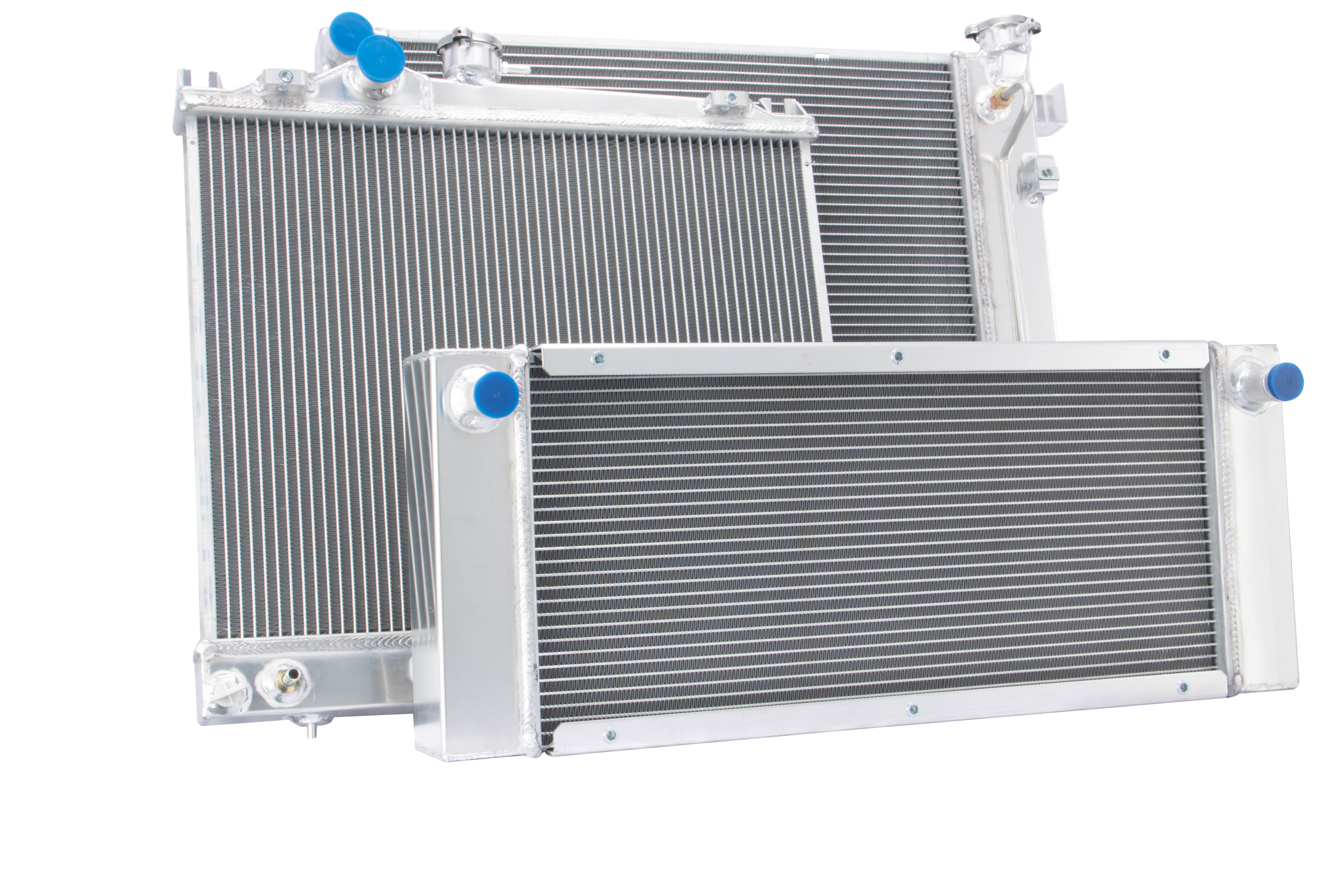
Heavy-duty equipment demands precision cooling solutions, and John Deere radiator customization stands as a critical factor in maintaining optimal thermal performance across diverse agricultural and industrial applications. Modern John Deere tractors and equipment operate under demanding conditions, from high-temperature harvesting seasons to continuous-duty construction work. Standard radiator designs may not fully address the unique cooling requirements of each specific equipment model, making customization essential for reliability and longevity.
The process of customizing radiators for John Deere equipment involves multiple technical considerations, from core density adjustments to mounting bracket modifications and fluid capacity optimization. Manufacturers and aftermarket specialists tailor these cooling systems to match individual engine displacement, operational duty cycles, ambient environmental factors, and integration requirements unique to each model generation. Understanding how radiator customization works empowers equipment operators and fleet managers to make informed decisions about replacement and upgrade options.
Understanding Model-Specific Cooling Requirements
Engine Power and Heat Generation Demands
Different John Deere equipment models generate vastly different thermal loads based on engine displacement, power output, and typical operating conditions. A compact utility tractor operating at moderate RPM generates substantially less heat than a large combine harvester or industrial loader working at peak capacity during peak season. John Deere radiator customization accounts for these variations by adjusting core dimensions, fin spacing, and aluminum or copper-brass construction to match the specific heat rejection requirements of each engine configuration.
Duty Cycle and Environmental Variables
Equipment used in construction, mining, or sustained harvesting faces different cooling challenges than models used for lighter field work. High-ambient temperature regions, dusty operating environments, and continuous-duty applications all influence the cooling system design. John Deere radiator customization addresses these variables through custom core construction, protective screen design, and fin material selection to ensure reliable heat dissipation even under extreme conditions.
Technical Customization Parameters and Solutions
Core Configuration and Fin Design Adjustments
The radiator core represents the heart of thermal performance, and radiator customization for John Deere equipment involves precise tuning of core volume, fin density, and tube configuration. Manufacturers analyze cooling requirements and select optimal core dimensions to balance cooling capacity against system pressure drop and airflow resistance. Higher fin density increases surface area but may require more frequent cleaning in dusty environments, so customization addresses the specific usage profile of each model. Multiple rows, tube diameter, and pass configurations all contribute to effective heat transfer tailored to each application.
Mounting and Integration Specifications
Each John Deere equipment model features unique frame geometry, engine bay dimensions, and hose connection locations. John Deere radiator customization includes engineered mounting brackets, custom inlet and outlet port positioning, and integration with thermostatic bypass systems specific to each model year and variant. Fabricators modify bracket geometry, add reinforcement ribs where needed, and ensure proper fitment within spatial constraints. These modifications ensure that the customized radiator seats securely and connects seamlessly to engine cooling circuits without requiring adapter modifications or compromise fitment.
Coolant Capacity and Pressurization System Tuning
Radiator customization extends to fluid storage capacity and pressure rating selection, which directly influence cooling system stability and freeze protection. Larger radiators support increased coolant volume, improving thermal inertia and reducing coolant temperature fluctuations during transient operation. Custom radiators for John Deere equipment are engineered to work with OEM-specified coolant pressurization systems and thermostat ranges, ensuring compatibility with engine management electronics and maintaining warranty compliance.
Selection and Implementation Strategies
Model-Specific Radiator Options
John Deere radiator customization options vary significantly by equipment series. Compact utility models like the 850 through 950 series feature different customization approaches compared to large-frame tractors or specialized industrial variants. Aftermarket specialists and OEM suppliers offer customized radiator packages designed specifically for each model generation, accounting for engine family, production year changes, and available option configurations. Equipment owners should verify model designation, year range, and specific engine variant to ensure that radiator customization specifications align with their exact equipment configuration.
Retrofit and Upgrade Considerations
Upgrading to a customized aftermarket radiator often improves thermal performance compared to aging OEM units, particularly in challenging environments or high-utilization scenarios. John Deere radiator customization specialists analyze existing cooling deficiencies and recommend upgraded core configurations that address overheating problems, enhance durability, or improve performance in specific climates. Retrofit projects require careful verification of mounting compatibility, connection port specifications, and electrical integration with cooling fans and sensors.
FAQ
What makes John Deere radiator customization necessary for different equipment models?
Each John Deere equipment model operates under distinct thermal conditions based on engine power, duty cycle, ambient environment, and frame geometry. Standard radiator designs cannot universally address these differences, so manufacturers customize core capacity, fin configuration, mounting specifications, and fluid capacity to match each model's specific cooling requirements and ensure reliable heat rejection under real-world operating conditions.
How does radiator customization affect equipment performance and longevity?
Properly customized radiators maintain optimal engine temperatures, reducing thermal stress and extending component life. Oversized or undersized cooling systems lead to either excessive coolant flow pressure or inadequate heat rejection, both compromising engine reliability and durability. John Deere radiator customization ensures that cooling system capacity matches engine thermal output, supporting consistent performance and maximizing equipment service intervals.
Can aftermarket customized radiators replace original John Deere radiators directly?
Many aftermarket customized radiators feature compatible mounting brackets, connection ports, and electrical interfaces designed for direct bolt-on installation. However, verification of model compatibility, mounting specifications, and connection configurations remains essential before purchase. Consulting detailed fitment guides or equipment documentation ensures that chosen aftermarket radiators match your specific John Deere equipment year, model variant, and engine configuration without requiring adapter modifications or custom fabrication.