
 EN
EN
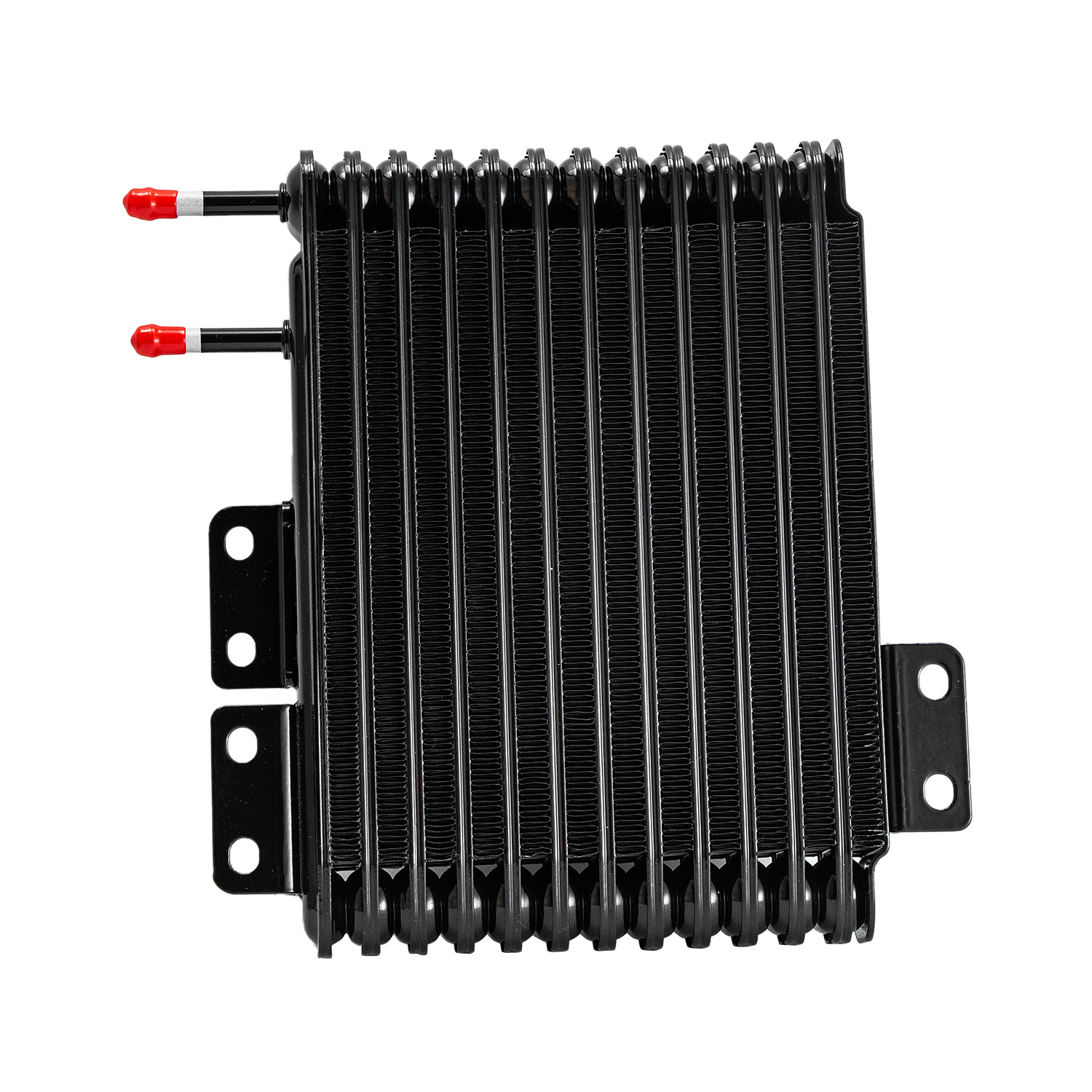
For importers navigating the global supply chain, selecting the right oil cooler manufacturer is one of the most consequential decisions in the sourcing process. An oil cooler is not simply a commodity component — it is a precision thermal management device that directly affects engine longevity, transmission reliability, and overall vehicle performance. Getting this choice wrong can lead to quality failures, costly recalls, regulatory headaches, and damaged relationships with downstream customers.
Importers who invest time in thorough pre-sourcing verification consistently achieve better outcomes — fewer defective units, smoother customs clearance, and more dependable supply pipelines. This article outlines the critical verification steps and criteria that experienced importers use when evaluating oil cooler manufacturers, covering everything from manufacturing credentials and material quality to testing standards and communication reliability. Whether you are sourcing for automotive aftermarket distribution, OEM integration, or industrial machinery applications, these checkpoints apply broadly and directly.
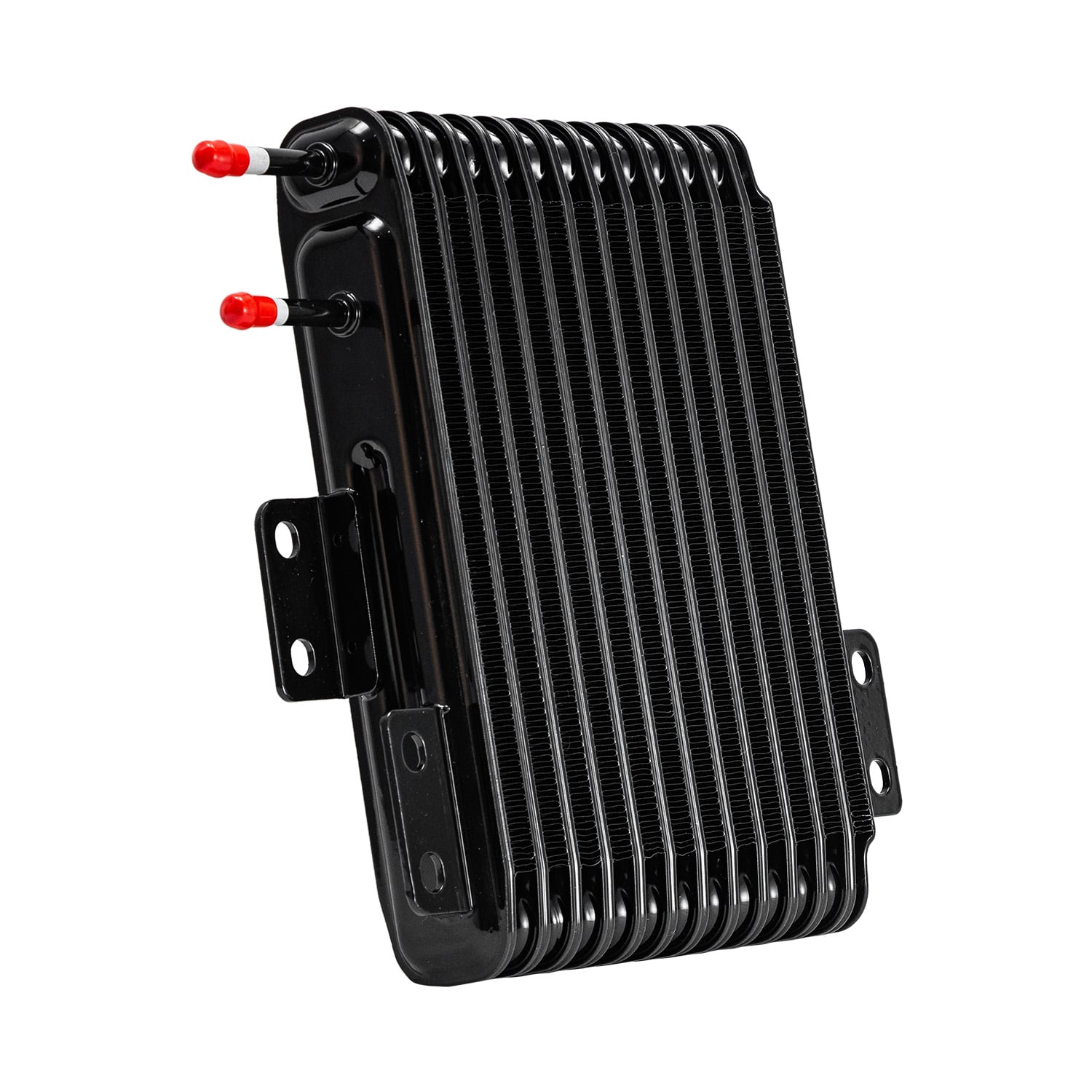
Manufacturing Credentials and Certification Verification
Why Certifications Matter for Oil Cooler Sourcing
When evaluating an oil cooler manufacturer, the first layer of verification is confirming that the supplier holds relevant and current industry certifications. Certifications such as ISO 9001 signal that a manufacturer operates under a structured quality management system, which reduces variability in production output and lowers the risk of receiving inconsistent batches. For importers, this is not just a formality — it is a legal and commercial risk mitigation tool.
Beyond general quality management standards, importers should look for certifications specific to automotive and thermal components. TS 16949 (now IATF 16949) is the gold standard for automotive parts manufacturers and indicates that the oil cooler supplier has been audited against strict automotive industry requirements. Confirming that certificates are current, traceable to a legitimate certification body, and not simply digitally fabricated is an essential step that many inexperienced importers overlook.
Importers importing into the European Union or North American markets should also verify compliance with regional directives and standards. An oil cooler destined for European automotive aftermarket use may need to meet specific material and pressure-resistance standards. Suppliers who proactively provide documentation for these requirements demonstrate a level of market awareness that adds confidence to the sourcing relationship.
Factory Audit as a Verification Tool
Certificates tell part of the story, but a properly executed factory audit tells the rest. Importers should conduct or commission a third-party audit of the oil cooler manufacturer's production facility before placing substantial orders. This audit should assess the physical condition of manufacturing equipment, the organization of quality control stations, raw material storage practices, and the competency of the quality assurance team.
During a factory audit, importers should pay special attention to the brazing and welding processes used in oil cooler fabrication. The integrity of internal passages and external fittings in an oil cooler depends heavily on the quality of these joints. A facility where welding is performed manually without standardized fixtures or visual inspection protocols presents a significantly higher defect risk than one using automated or semi-automated systems with post-process inspection checkpoints.
An audit also reveals whether the manufacturer has the capacity to fulfill your order volume within the required timeline. A supplier who appears well-certified on paper but operates an under-resourced facility may cause serious delivery delays. Checking actual production throughput records and floor capacity during an audit gives importers a realistic picture of what to expect.
Material Quality and Component Specifications
Aluminium Alloy Grades and Their Impact on Performance
The material composition of an oil cooler has a direct impact on its thermal efficiency, pressure tolerance, and service life. Most modern high-performance oil coolers are constructed from aluminium alloy due to its favorable heat dissipation properties and lightweight profile. However, not all aluminium alloys are equivalent, and importers must verify which specific alloy grade the manufacturer uses in their oil cooler production.
Manufacturers who use lower-grade or recycled aluminium to reduce costs may produce an oil cooler that passes initial pressure tests but degrades rapidly under thermal cycling in real-world use. Importers should request material certification documents — also called mill certificates — that confirm the exact alloy composition of the aluminium used. These documents should trace back to a reputable material supplier and should be specific to the production batch in question.
Beyond alloy grade, the wall thickness of oil cooler tubes and end tanks is another material specification to verify. Thinner walls may reduce production costs but can compromise burst pressure performance. A reliable manufacturer will provide dimensional specifications and test results that align with the intended application, whether that is motorsport, heavy transport, or standard passenger vehicle use.
Fitting and Connection Compatibility Verification
An oil cooler is only as reliable as its fittings and connections. Importers must verify that the manufacturer's oil cooler fittings are produced to consistent dimensional tolerances and that the specified fitting size — whether AN-10, AN-12, or another standard — is accurate and reliably reproduced across the production batch. Dimensional inconsistency in fittings is a surprisingly common defect that leads to installation problems in the field.
Thread quality in oil cooler fittings should be inspected using go/no-go gauges, and importers should ask for evidence that the manufacturer includes this check in their standard quality control protocol. Stripped or under-cut threads can cause oil leaks that result in catastrophic engine damage — a liability that no importer wants to face. Verifying that fitting inspection is a formal step in the production process, not an afterthought, separates professional manufacturers from low-tier ones.
Importers sourcing universal oil cooler units should also verify that the manufacturer clearly communicates compatible application ranges. A well-documented oil cooler with a clearly specified row count, core size, and fitting orientation helps importers serve their customers more accurately and reduces return rates due to fitment errors.
Testing Standards and Quality Control Processes
Pressure Testing and Leak Detection Protocols
Every oil cooler leaving a reputable manufacturer's facility should pass a pressure test before shipment. Importers must verify what pressure testing protocol the manufacturer applies and whether it is performed on every unit or only on a sample basis. For a safety-critical component like an oil cooler, 100% pressure testing is the preferred standard, and importers should specify this requirement in their purchase agreements.
Pressure testing for an oil cooler typically involves pressurizing the internal oil passages to a level significantly above the rated working pressure to confirm structural integrity and leak-free construction. The specific test pressure should be documented and should exceed the maximum operating pressure the oil cooler will experience in its intended application. Manufacturers who cannot provide test pressure data or who test only at nominal working pressure should be treated with caution.
In addition to pressure testing, thermal cycling tests help verify how an oil cooler behaves over repeated heating and cooling cycles. Importers sourcing oil coolers for motorsport or heavy-duty applications should ask whether the manufacturer conducts any form of thermal fatigue testing, and what the test parameters are. This information helps importers make informed claims to their own customers about product durability.
Outgoing Quality Control and Inspection Documentation
A manufacturer's outgoing quality control process determines what reaches the importer's warehouse. Importers should request sample inspection reports or first article inspection reports to understand what defect criteria the manufacturer uses and how they document non-conformances. A manufacturer who cannot produce clear inspection records is operating without adequate traceability, which makes it impossible to investigate quality issues after the fact.
Importers should also verify how the oil cooler is packaged for export. Improper packaging that allows the oil cooler to shift during transit can result in fin damage, fitting deformation, or surface corrosion that reduces the product's marketability. A manufacturer who uses purpose-designed inner packaging, moisture-barrier materials, and appropriate outer cartons demonstrates attention to end-to-end product integrity.
Requesting pre-shipment inspection by a third-party agency is an additional layer of quality assurance that experienced importers use when dealing with new manufacturers. This step involves having an independent inspector verify that the oil cooler batch matches the agreed specifications, quantity, and condition before the goods leave the factory. It is a relatively low-cost safeguard that prevents expensive disputes after arrival.
Communication, Commercial Reliability, and Business Fit
Assessing Responsiveness and Technical Communication Capability
The operational relationship with an oil cooler manufacturer is just as important as the technical quality of the product itself. Importers should evaluate how promptly and accurately a manufacturer responds to technical inquiries during the sourcing process. A supplier who takes days to answer basic questions about oil cooler specifications, or who provides vague answers to direct questions about materials and testing, is unlikely to become a reliable long-term partner.
Technical communication capability is particularly important when importers need to customize an oil cooler for a specific application. Manufacturers with engineering resources on staff — capable of discussing core design, flow rate requirements, and pressure drop calculations — offer significantly more value than trading companies that simply resell products without deep product knowledge. Verifying whether you are dealing with the actual manufacturer or an intermediary is a basic but crucial step.
Importers should also assess whether the manufacturer's commercial team understands export documentation requirements such as certificates of origin, material safety data sheets, and customs value declarations. An oil cooler supplier who is experienced in exporting to your target market will reduce administrative friction and help ensure smoother customs clearance.
Minimum Order Quantities, Lead Times, and Pricing Transparency
Commercial terms are an integral part of the manufacturer verification process. Importers should confirm minimum order quantities (MOQs) for the oil cooler models they intend to source and verify whether the stated MOQ is firm or negotiable based on order history. A manufacturer who is inflexible on MOQs for standard universal oil cooler models may not be the right fit for importers who need mixed SKU flexibility.
Lead times should be verified against the manufacturer's actual production schedule, not just their standard sales quote. Importers who rely solely on quoted lead times without confirming current factory loading can face unexpected delays during peak production periods. Establishing a clear understanding of production lead time, port processing time, and transit time helps importers set accurate delivery expectations with their own customers.
Pricing transparency is another dimension of commercial reliability. A manufacturer who provides a detailed cost breakdown — separating material costs, processing costs, and tooling charges — demonstrates confidence in their pricing structure and makes it easier for importers to evaluate value fairly. Opaque pricing from a manufacturer who cannot explain cost components can lead to unexpected price increases later in the relationship.
FAQ
What certifications should an oil cooler manufacturer hold for automotive export?
The most relevant certifications for an oil cooler manufacturer supplying automotive markets are ISO 9001 for general quality management and IATF 16949 for automotive-specific quality systems. For importers targeting specific regional markets, additional product compliance certifications may be required. Always verify that certificates are current and issued by recognized certification bodies.
How can importers verify the aluminium quality used in an oil cooler?
Importers should request mill certificates for the aluminium materials used in oil cooler production. These documents confirm the alloy grade and composition of the material and should be traceable to the material supplier. Requesting batch-specific certificates rather than generic supplier documents ensures the information applies to your actual order.
Is third-party pre-shipment inspection worth the cost for oil cooler imports?
Yes, for first orders or when switching to a new oil cooler manufacturer, third-party pre-shipment inspection is a highly cost-effective safeguard. The inspection fee is typically a small fraction of the order value, but it can prevent costly returns, warranty claims, and reputational damage caused by receiving non-conforming or damaged products.
What should importers look for when evaluating oil cooler fitting quality?
Importers should verify that oil cooler fittings are dimensionally accurate, that thread quality is checked using standardized gauges, and that the manufacturer documents fitting inspection as part of their formal quality control process. Consistent fitting dimensions are critical to ensuring trouble-free installation and preventing oil leaks in the field.
Table of Contents
- Manufacturing Credentials and Certification Verification
- Material Quality and Component Specifications
- Testing Standards and Quality Control Processes
- Communication, Commercial Reliability, and Business Fit
-
FAQ
- What certifications should an oil cooler manufacturer hold for automotive export?
- How can importers verify the aluminium quality used in an oil cooler?
- Is third-party pre-shipment inspection worth the cost for oil cooler imports?
- What should importers look for when evaluating oil cooler fitting quality?