
 EN
EN
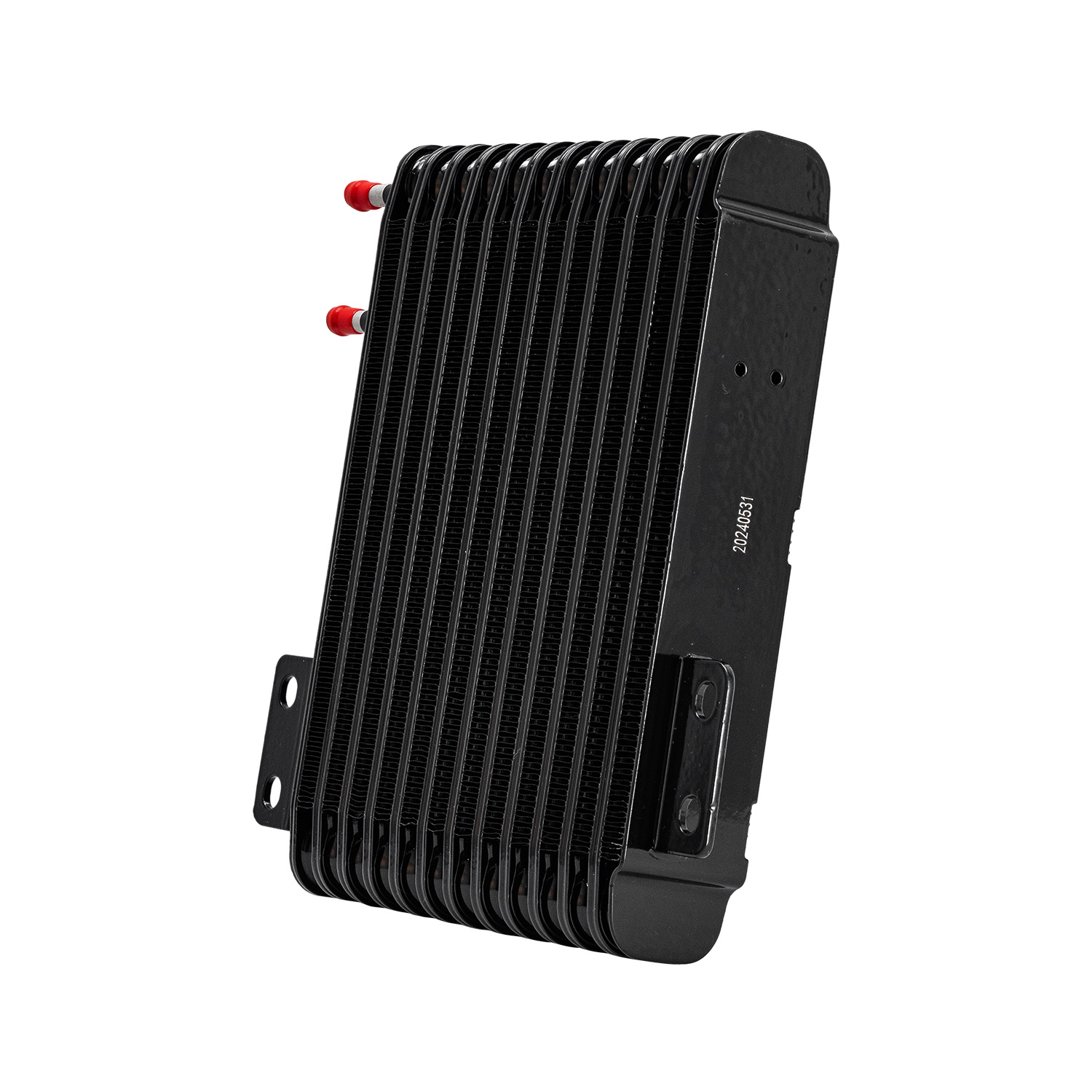
When an OEM buyer is tasked with sourcing the right oil cooler for an industrial application, the evaluation process goes far beyond simply comparing price tags. The decision directly impacts the thermal management performance, reliability, and service life of the end product — whether that product is a hydraulic power unit, an industrial compressor, a heavy-duty transmission system, or a specialized engine assembly. OEM buyers carry the responsibility of selecting components that will perform consistently across thousands of operating hours and in demanding environmental conditions, which is why a structured, multi-criteria evaluation framework is essential.
Understanding how experienced procurement engineers and product development teams approach oil cooler evaluation reveals a disciplined process rooted in technical specification matching, thermal performance validation, materials compatibility, integration feasibility, and long-term supply reliability. Each of these dimensions carries real weight in a professional sourcing decision, and overlooking any one of them can lead to costly design revisions, field failures, or warranty claims. This article walks through the key evaluation criteria OEM buyers apply when selecting an oil cooler for industrial applications.
Thermal Performance Requirements and Specification Matching
Defining the Heat Rejection Target
The starting point for any oil cooler evaluation is a clearly defined heat rejection requirement. OEM engineers begin by calculating the total heat load generated by the system — this figure is expressed in kilowatts or BTUs per hour and represents the amount of thermal energy the oil cooler must dissipate under peak operating conditions. Without an accurate heat rejection target, all subsequent evaluation steps lose their technical foundation.
Thermal load calculations take into account the system's power input, mechanical efficiency losses, and the temperature delta between incoming and outgoing oil. In high-cycle industrial environments, these values can fluctuate significantly, so buyers often specify both steady-state and peak heat rejection requirements. An oil cooler that performs adequately under nominal conditions but fails to handle thermal spikes will compromise system integrity.
Experienced OEM buyers also account for fouling factors and real-world degradation over time. A freshly installed oil cooler may meet rated performance, but that performance degrades as deposits accumulate on internal surfaces. Responsible specification work includes derating factors that ensure the selected oil cooler remains effective across its intended service interval.
Flow Rate and Pressure Drop Compatibility
Beyond heat rejection capacity, OEM buyers examine how the oil cooler interacts with the system's hydraulic circuit. The oil cooler must accommodate the required volumetric flow rate of oil without imposing an unacceptable pressure drop. Excessive pressure drop reduces system efficiency, increases pump load, and can cause cavitation or starvation in downstream components.
Buyers typically request pressure drop versus flow rate curves from suppliers and cross-reference these against the system's hydraulic design parameters. An oil cooler with outstanding thermal performance but poor pressure drop characteristics can be just as problematic as one with insufficient cooling capacity. Both the thermal side and the hydraulic side of the oil cooler must be matched carefully to the application.
Port sizes, connection configurations, and the number of flow rows within the oil cooler core all influence the pressure drop profile. Industrial OEM buyers often specify minimum and maximum acceptable pressure drop values as hard limits in their procurement requirements, ensuring that only oil cooler candidates within the acceptable hydraulic envelope are considered further.
Materials Selection and Durability Assessment
Core Material Compatibility with Operating Fluids
The internal materials of an oil cooler must be chemically compatible with the specific oil or fluid being used in the industrial system. While conventional mineral oils are broadly compatible with aluminium and copper-brass constructions, synthetic fluids, biodegradable hydraulic oils, and specialty transmission fluids can introduce corrosion or degradation risks that make material selection a critical evaluation criterion.
OEM buyers working in sectors such as mobile hydraulics, marine equipment, or food processing machinery must verify that every wetted surface inside the oil cooler is resistant to the specific fluid chemistry used. This often requires requesting material certifications or compatibility test data from the supplier. A mismatch between fluid chemistry and oil cooler materials can lead to internal corrosion, seal degradation, and ultimately catastrophic fluid contamination.
Aluminium oil cooler cores have become widely preferred in industrial applications due to their excellent strength-to-weight ratio, good thermal conductivity, and resistance to many industrial fluid types. However, buyers must verify alloy composition, surface treatment, and any protective coatings applied to ensure that the specific aluminium construction meets the application's durability requirements.
External Environmental Durability
Industrial applications often expose an oil cooler to harsh external environments — salt spray in marine or coastal installations, chemical exposure in process industries, high humidity in tropical deployments, and abrasive particulate in construction or mining equipment. OEM buyers evaluate the external durability of an oil cooler by examining surface coatings, fin material choices, and the quality of the brazed or welded joints.
Salt spray resistance testing data is frequently requested for oil cooler components destined for outdoor or coastal industrial installations. Buyers look for test results expressed in hours of exposure without significant corrosion, and they compare these values against the expected service environment of their end product. An oil cooler that fails prematurely due to external corrosion creates significant warranty liability for the OEM.
The structural integrity of the oil cooler under vibration loading is another durability factor examined carefully. Industrial machines generate continuous mechanical vibration, and the oil cooler must maintain leak-free performance under these conditions throughout its service life. Buyers may request vibration test data or specify mounting and bracket requirements that distribute mechanical stress away from the oil cooler's core structure.
Physical Integration and Installation Feasibility
Dimensional Envelope and Mounting Configuration
An oil cooler must physically fit within the design envelope of the industrial machine or system in which it will be installed. OEM product development teams work with precise space budgets, and the oil cooler must conform to dimensional constraints without requiring significant redesign of surrounding components. Buyers evaluate overall dimensions, mounting hole patterns, and clearance requirements as part of the integration feasibility assessment.
The orientation of the oil cooler within the machine also affects cooling performance. A vertically mounted oil cooler may behave differently from one mounted horizontally due to natural convection effects and the direction of coolant or airflow across the core. OEM buyers specify the intended mounting orientation and verify with the supplier that the oil cooler's rated performance was validated in that specific orientation.
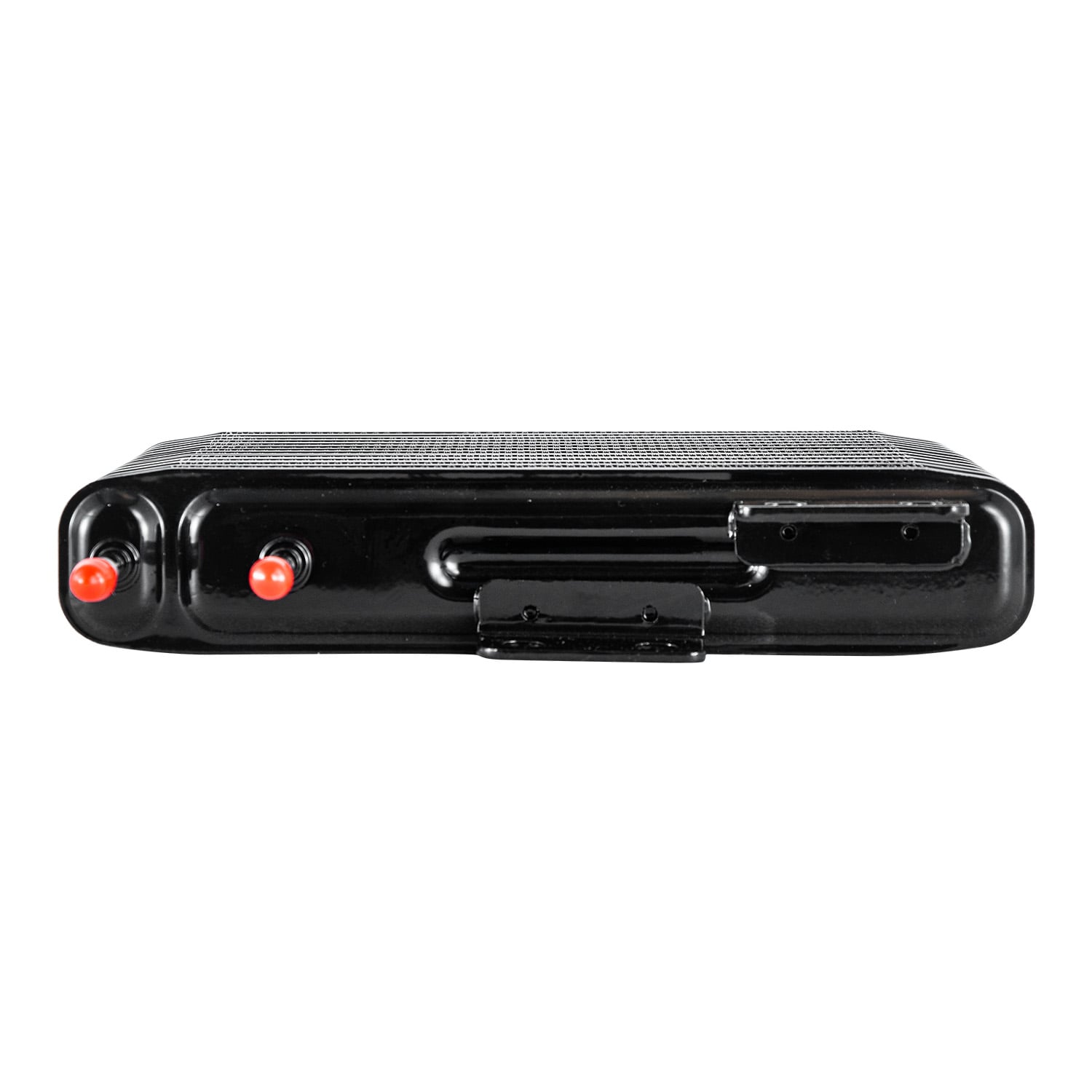
Connection port locations and thread specifications must align with the existing piping or hose routing in the machine design. Incompatible port configurations require adapters that add cost, potential leak points, and installation complexity. Well-prepared OEM buyers include detailed port and connection specifications in their request for quotation to eliminate incompatible oil cooler candidates early in the evaluation process.
Integration with Cooling Medium — Air or Liquid
Industrial oil coolers fall into two broad integration categories: air-cooled and liquid-cooled. Air-cooled oil cooler units rely on forced airflow across the core fins and are typically integrated with a fan assembly or positioned to utilize machine-generated airflow. Liquid-cooled oil cooler units circulate a secondary coolant — usually water or a water-glycol mixture — through the opposite side of the core to absorb heat from the oil.
The choice between air-cooled and liquid-cooled configurations is largely determined by the machine's thermal management architecture, available installation space, and the ambient conditions of the deployment environment. OEM buyers evaluate the integration requirements of each oil cooler type against their machine's design and select the configuration that provides the best balance of cooling performance, packaging efficiency, and system complexity.
For liquid-cooled applications, buyers also assess the compatibility of the oil cooler's secondary fluid passages with the existing cooling circuit's materials, flow rates, and pressure levels. An oil cooler introduced into an existing coolant loop must not create hydraulic imbalances or thermal interference that degrades overall system cooling performance.
Quality Validation, Testing Standards, and Supply Reliability
Required Testing and Certification Evidence
OEM buyers in industrial markets do not rely solely on supplier-provided performance data sheets. They require evidence that the oil cooler has been independently tested or validated against recognized standards. Burst pressure testing, thermal performance bench testing, and leak testing under both static and dynamic pressure conditions are standard expectations for industrial-grade oil cooler components.
In regulated industries such as mobile machinery covered by CE marking requirements, or industrial equipment subject to OSHA or ISO safety standards, the oil cooler may need to meet specific certification requirements. Buyers identify these regulatory obligations early and screen out oil cooler candidates that cannot provide the required documentation. Certification gaps discovered late in the design process can delay product launches and generate significant re-engineering costs.
Some OEM buyers conduct first-article inspection of oil cooler samples before approving production orders. This involves dimensional verification, material analysis, and performance testing of production-representative units. A supplier's willingness to support first-article inspection is itself an indicator of manufacturing process maturity and quality confidence.
Supply Chain Stability and Long-Term Availability
An oil cooler that performs brilliantly in design validation but becomes unavailable during production is a serious problem for an OEM. Buyers evaluate supplier capacity, lead times, minimum order quantities, and the stability of the supply chain behind each oil cooler candidate. For products with multi-year production lifecycles, long-term part availability is a critical consideration.
OEM procurement teams often request information about a supplier's sub-component sourcing, particularly for raw materials that may be subject to supply disruptions. An oil cooler assembled from broadly available materials and standardized sub-components carries lower supply risk than one dependent on single-source or proprietary inputs. This risk profile directly influences the sourcing decision.
After-sales support, including access to replacement parts, technical documentation, and responsive customer service, also factors into the evaluation. An oil cooler that ships with complete installation and maintenance documentation, and whose supplier maintains accessible technical support, reduces the OEM's total ownership risk and supports smooth integration into the end product's service documentation.
Total Cost of Ownership and Value Engineering
Moving Beyond Unit Price
A common mistake in oil cooler procurement is over-weighting unit price at the expense of total cost of ownership. The purchase price of an oil cooler represents only one element of its economic impact on the OEM. Installation labor, integration engineering costs, warranty claims, field replacement frequency, and the downstream impact of thermal management failures all contribute to the true cost picture.
An oil cooler priced modestly but requiring significant mounting hardware, custom porting, or additional sealing components can easily exceed the total installed cost of a higher-priced but better-integrated alternative. Experienced OEM buyers build a complete bill-of-cost that captures all integration-related expenses, not just the component purchase price itself.
Thermal management failures in industrial machines generate warranty costs that far exceed the value of the oil cooler itself. A machine returned under warranty due to overheating damage caused by an inadequate oil cooler can result in field service expenses, parts replacement, and reputational damage that dwarfs any cost savings realized on the original component purchase. Buyers who internalize this reality apply a conservative risk premium to lower-cost oil cooler options that cannot demonstrate equivalent performance and reliability credentials.
Value Engineering Collaboration with Suppliers
Leading OEM buyers treat oil cooler suppliers as technical partners rather than purely transactional vendors. Engaging suppliers early in the product development cycle enables value engineering opportunities — adjustments to the oil cooler's core design, port configuration, or fin geometry that improve performance, reduce weight, or simplify installation without compromising reliability.
This collaborative approach is particularly valuable when the application has unique thermal or spatial requirements that standard oil cooler catalog products do not fully address. Suppliers capable of offering application engineering support, custom core configurations, and validated design modifications provide OEM buyers with a meaningfully higher level of value than those offering only off-the-shelf products.
The relationship between an OEM and its oil cooler supplier should be built on transparent technical communication, shared performance data, and a mutual understanding of the application's operating conditions and service requirements. Buyers who invest in building these supplier relationships gain access to better technical support, faster problem resolution, and a more reliable supply chain for the life of the product program.
FAQ
What is the most important technical specification when evaluating an oil cooler for industrial use?
Heat rejection capacity is typically the most critical starting specification because it defines whether the oil cooler can manage the system's thermal load under peak operating conditions. However, pressure drop across the oil cooler is equally important from a system integration perspective. Both values must be validated against the application's specific requirements rather than relying on generic rated values.
How does material selection affect the long-term performance of an oil cooler?
Material selection determines both the internal chemical compatibility of the oil cooler with the process fluid and its external resistance to environmental degradation. An oil cooler made from materials incompatible with the operating fluid will experience accelerated internal corrosion, while one with inadequate external surface protection will deteriorate prematurely in harsh deployment environments. Both failure modes reduce service life and increase ownership costs.
Why do OEM buyers conduct first-article inspection of oil cooler components?
First-article inspection allows OEM buyers to verify that production-representative oil cooler units conform to dimensional, material, and performance specifications before committing to volume orders. It provides evidence that the supplier's manufacturing process is capable of consistently producing parts that match the validated design. Discovering non-conformances at the first-article stage is far less costly than encountering them in production or in the field.
How should OEM buyers assess the supply reliability of an oil cooler component?
Buyers should evaluate supplier production capacity, lead times, raw material sourcing strategies, and historical delivery performance. For products with multi-year production commitments, confirming that the oil cooler design is not dependent on single-source materials or proprietary sub-components reduces long-term supply risk. Requesting information about the supplier's inventory policies and their approach to managing demand fluctuations also provides useful insight into supply reliability.
Table of Contents
- Thermal Performance Requirements and Specification Matching
- Materials Selection and Durability Assessment
- Physical Integration and Installation Feasibility
- Quality Validation, Testing Standards, and Supply Reliability
- Total Cost of Ownership and Value Engineering
-
FAQ
- What is the most important technical specification when evaluating an oil cooler for industrial use?
- How does material selection affect the long-term performance of an oil cooler?
- Why do OEM buyers conduct first-article inspection of oil cooler components?
- How should OEM buyers assess the supply reliability of an oil cooler component?