
 EN
EN
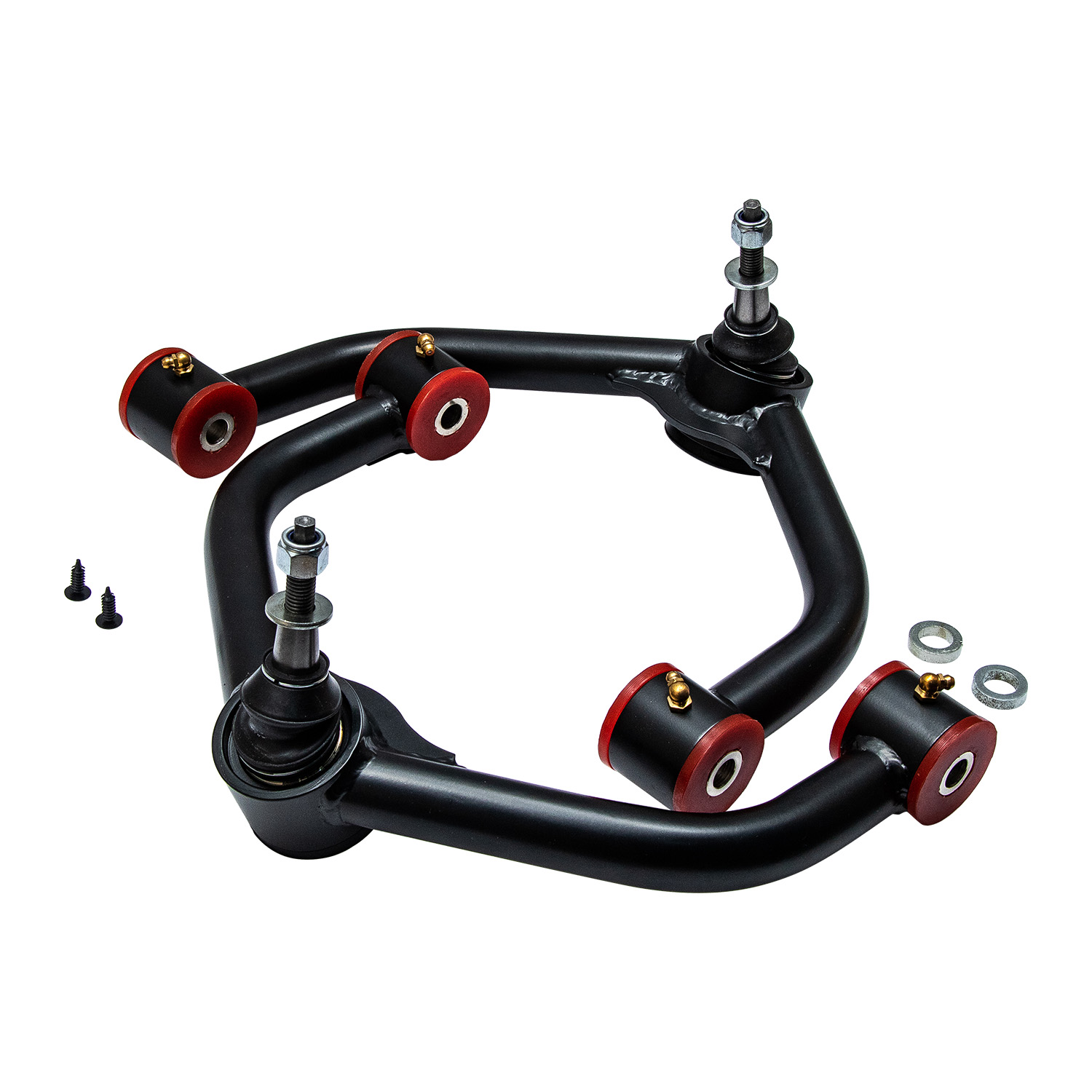
Fleet managers and procurement specialists face critical decisions when selecting control arms for their vehicle fleets. These essential suspension components directly impact vehicle performance, maintenance costs, and operational efficiency across diverse commercial applications. Understanding the key factors that influence control arms selection enables B2B buyers to make informed purchasing decisions that optimize fleet performance while managing total cost of ownership.
Understanding Control Arms Fundamentals for Fleet Applications
Core Function and Design Principles
Control arms serve as the primary connection between a vehicle's chassis and wheel assemblies, enabling controlled wheel movement while maintaining proper alignment. These components experience constant stress from road forces, weight loads, and suspension articulation throughout their operational lifecycle. Modern control arms incorporate advanced materials and engineering designs to withstand the demanding conditions typical of commercial fleet operations.
The structural integrity of control arms directly influences vehicle handling characteristics, tire wear patterns, and overall suspension system longevity. Fleet operators must recognize that substandard control arms can lead to premature component failures, increased maintenance interventions, and potential safety concerns. Quality control arms feature reinforced mounting points, precision-engineered bushings, and corrosion-resistant finishes that extend service life in challenging operating environments.
Material Composition and Manufacturing Quality
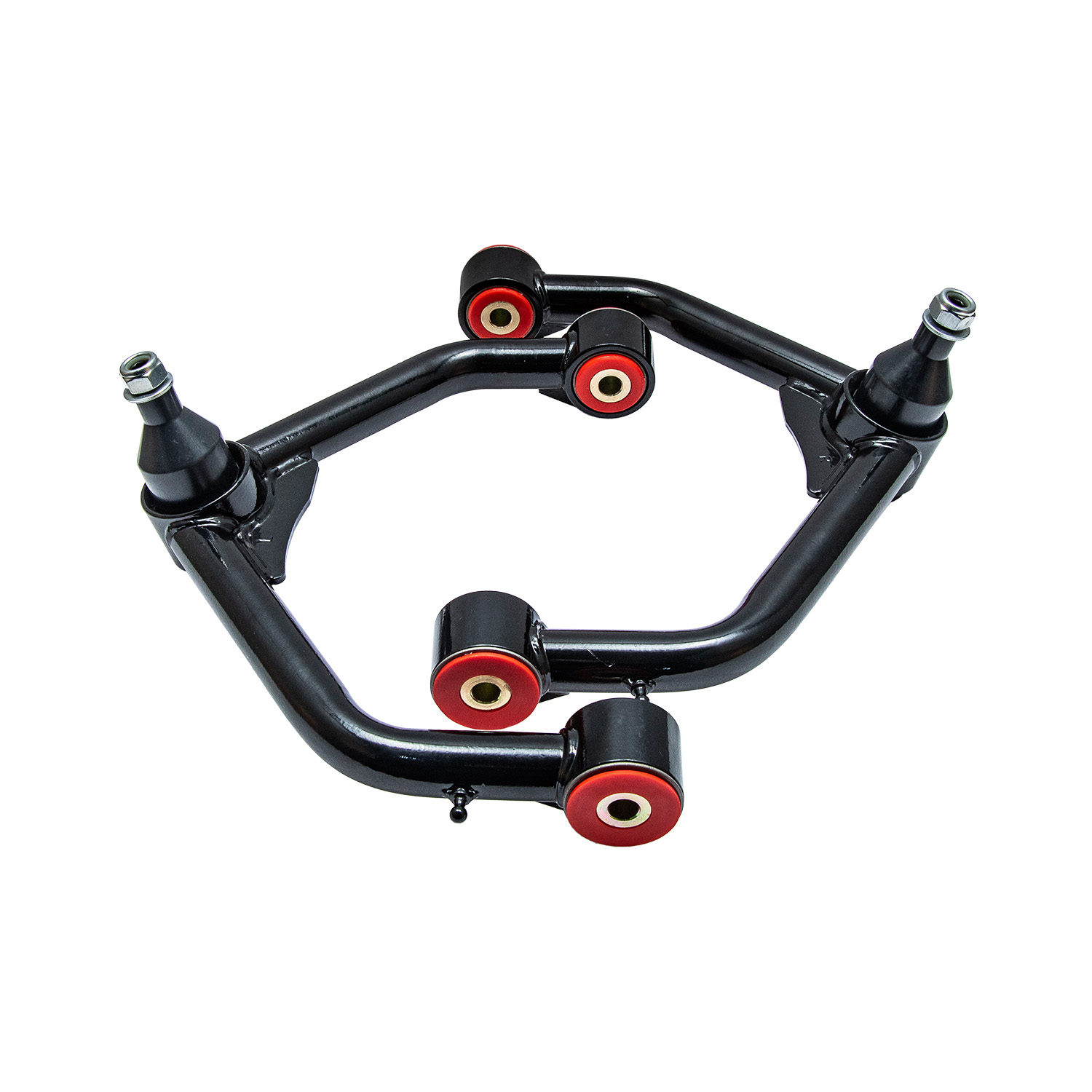
Steel and aluminum represent the primary material choices for control arms construction, each offering distinct advantages for fleet applications. Steel control arms provide superior strength and durability characteristics, making them suitable for heavy-duty commercial vehicles and high-mileage fleet operations. The manufacturing process significantly impacts the final product quality, with forged and stamped steel control arms offering different performance profiles and cost structures.
Aluminum control arms deliver weight reduction benefits that can improve fuel efficiency and reduce unsprung mass in passenger vehicle fleets. However, aluminum components require careful evaluation of load ratings and fatigue resistance to ensure compatibility with specific fleet operating conditions. Advanced manufacturing techniques, including precision machining and heat treatment processes, enhance the performance characteristics of both steel and aluminum control arms.
Fleet-Specific Performance Requirements
Load Capacity and Duty Cycle Considerations
Fleet vehicles operate under varying load conditions that significantly impact control arms performance requirements. Commercial delivery vehicles, construction equipment, and passenger transport fleets each present unique stress patterns that influence component selection criteria. Heavy-duty applications demand control arms with enhanced load ratings and fatigue resistance to withstand continuous high-stress operations.
Duty cycle analysis reveals critical insights into expected component lifespan and replacement intervals. Vehicles operating in stop-and-go urban environments experience different control arms stress patterns compared to highway-focused applications. Fleet managers must evaluate the specific operating conditions, including average daily mileage, load variations, and route characteristics, to select control arms that align with operational demands and maintenance scheduling requirements.
Environmental and Operating Conditions
Environmental factors significantly influence control arms performance and longevity in fleet applications. Salt exposure from winter road treatments accelerates corrosion processes, requiring enhanced protective coatings and material specifications. Off-road operations subject control arms to impact loads and debris exposure that can compromise component integrity over time. Fleet operators in harsh environments must prioritize corrosion resistance and impact protection features when evaluating control arms options.
Temperature extremes affect bushing materials and joint lubrication systems within control arms assemblies. Cold weather operations can reduce rubber bushing flexibility, while high-temperature environments accelerate lubricant degradation and seal deterioration. Understanding the specific environmental challenges faced by fleet vehicles enables procurement teams to specify appropriate control arms with suitable material compositions and protective features.
Cost Analysis and Budget Considerations
Total Cost of Ownership Evaluation
Effective control arms procurement requires comprehensive total cost of ownership analysis that extends beyond initial purchase price. Premium control arms with superior materials and manufacturing quality often deliver reduced maintenance costs and extended service intervals that offset higher upfront investments. Fleet managers must evaluate the relationship between component cost, expected service life, and maintenance requirements to optimize procurement decisions.
Labor costs associated with control arms replacement represent a significant portion of total ownership expenses. Components that enable faster installation procedures or offer extended service intervals can substantially reduce overall maintenance expenditures. Additionally, control arms failures that result in vehicle downtime generate indirect costs through lost productivity and emergency repair requirements that impact fleet profitability.
Volume Purchasing and Supplier Relationships
Large fleet operations benefit from volume purchasing agreements that provide cost advantages and supply chain stability for control arms procurement. Establishing partnerships with reliable suppliers ensures consistent product availability and technical support throughout the procurement process. Volume commitments often enable access to customized specifications or enhanced warranty terms that provide additional value for fleet applications.
Supplier evaluation criteria should encompass manufacturing capabilities, quality certification standards, and distribution network coverage. Regional supplier presence facilitates emergency parts availability and reduces shipping costs for routine maintenance operations. Long-term supplier relationships enable collaborative product development opportunities that can result in application-specific control arms solutions tailored to fleet requirements.
Quality Standards and Certification Requirements
Industry Standards and Testing Protocols
Control arms manufacturers must comply with established industry standards that define minimum performance requirements for automotive applications. Society of Automotive Engineers specifications provide standardized testing protocols for durability, load capacity, and dimensional accuracy that ensure component reliability. Fleet buyers should verify that potential control arms suppliers maintain appropriate certifications and quality management systems.
Original Equipment Manufacturer specifications serve as baseline performance standards for control arms selection in fleet applications. OEM-equivalent or superior performance characteristics ensure compatibility with existing vehicle systems and maintain warranty compliance where applicable. Independent testing verification provides additional assurance of product quality and performance consistency across production batches.
Warranty and Support Considerations
Comprehensive warranty coverage reflects manufacturer confidence in control arms quality and provides financial protection against premature component failures. Extended warranty terms indicate superior product design and manufacturing processes that reduce failure risk in fleet applications. Warranty coverage should encompass both material defects and performance failures under normal operating conditions.
Technical support availability enables fleet maintenance teams to address installation questions and troubleshoot potential issues effectively. Manufacturers offering detailed installation guides, torque specifications, and compatibility information facilitate proper component installation and optimal performance. Access to engineering support can prove valuable for addressing unique fleet applications or operating condition challenges.
Installation and Maintenance Factors
Installation Complexity and Tool Requirements
Control arms installation procedures vary significantly based on vehicle design and component configuration, influencing labor requirements and maintenance scheduling. Components designed for simplified installation reduce service time and minimize the specialized tools required for replacement operations. Fleet maintenance facilities must evaluate their technical capabilities and equipment availability when selecting control arms that align with internal service capabilities.
Standardized mounting configurations enable maintenance teams to develop efficient installation procedures and reduce training requirements across diverse vehicle models. Control arms that utilize common fastener sizes and attachment methods streamline inventory management and reduce the variety of tools required for maintenance operations. Consider the availability of installation instructions and technical documentation to support maintenance team effectiveness.
Maintenance Schedule Integration
Effective fleet management requires integrating control arms replacement intervals with existing maintenance schedules to optimize service efficiency. Components with predictable service life enable proactive replacement planning that prevents unexpected failures and reduces emergency repair costs. Maintenance planning systems can incorporate control arms inspection protocols to identify potential issues before component failure occurs.
Preventive maintenance programs benefit from control arms that provide visual wear indicators or measurable degradation patterns. Regular inspection procedures can identify bushing deterioration, joint wear, or mounting point fatigue before complete component failure. Early detection enables scheduled replacement during routine maintenance windows rather than emergency repair situations that disrupt fleet operations.
Supplier Selection and Procurement Strategy
Vendor Qualification and Assessment
Comprehensive supplier evaluation encompasses manufacturing capabilities, quality systems, and financial stability to ensure reliable control arms supply for fleet operations. Site visits and facility audits provide insights into production processes, quality control procedures, and capacity limitations that impact product consistency. Financial analysis helps identify suppliers with sufficient resources to support long-term fleet requirements and product development initiatives.
Technical capabilities assessment should evaluate engineering resources, testing facilities, and product development processes that support continuous improvement initiatives. Suppliers with robust research and development programs can provide enhanced control arms designs that address evolving fleet requirements. International suppliers require additional evaluation of logistics capabilities, regulatory compliance, and communication protocols to ensure effective partnership development.
Supply Chain Risk Management
Diversified supplier networks reduce control arms supply chain risks associated with production disruptions, quality issues, or capacity constraints. Multiple qualified suppliers enable competitive procurement processes and provide alternative sources during emergency situations. Geographic distribution of suppliers helps mitigate regional risks and reduces transportation costs for fleet operations across multiple locations.
Inventory management strategies must balance carrying costs with availability requirements for critical control arms components. Strategic inventory positioning near major fleet operations reduces emergency shipping costs and minimizes vehicle downtime during component failures. Collaborative planning with suppliers enables optimized inventory levels and improved demand forecasting accuracy for control arms procurement.
FAQ
How often should control arms be replaced in commercial fleet vehicles
Control arms replacement intervals vary significantly based on vehicle type, operating conditions, and component quality. Typical commercial fleet vehicles require control arms replacement every 80,000 to 120,000 miles under normal operating conditions. However, severe duty applications, including frequent stop-and-go operations, heavy loading, or harsh environmental conditions, may necessitate more frequent replacement intervals of 50,000 to 80,000 miles.
What are the key indicators of control arms failure in fleet vehicles
Common control arms failure indicators include irregular tire wear patterns, particularly on the inside or outside edges of tires. Vehicle handling symptoms such as wandering, pulling to one side, or reduced steering responsiveness often signal control arms deterioration. Visual inspection may reveal cracked bushings, loose mounting bolts, or corrosion damage that compromises component integrity and requires immediate attention.
Should fleet managers prioritize OEM or aftermarket control arms
The choice between OEM and aftermarket control arms depends on fleet priorities, budget constraints, and performance requirements. OEM components guarantee exact fitment and maintain warranty compliance but typically command premium pricing. High-quality aftermarket control arms can provide equivalent or superior performance at reduced costs, making them attractive for cost-conscious fleet operations with established maintenance capabilities.
How do operating environments affect control arms selection for fleets
Operating environments significantly influence control arms material requirements and design specifications. Coastal regions with salt exposure require enhanced corrosion protection through specialized coatings or stainless steel components. Off-road operations demand reinforced designs with improved impact resistance, while high-temperature environments necessitate heat-resistant bushings and seals to maintain optimal performance throughout extended service intervals.