
 EN
EN
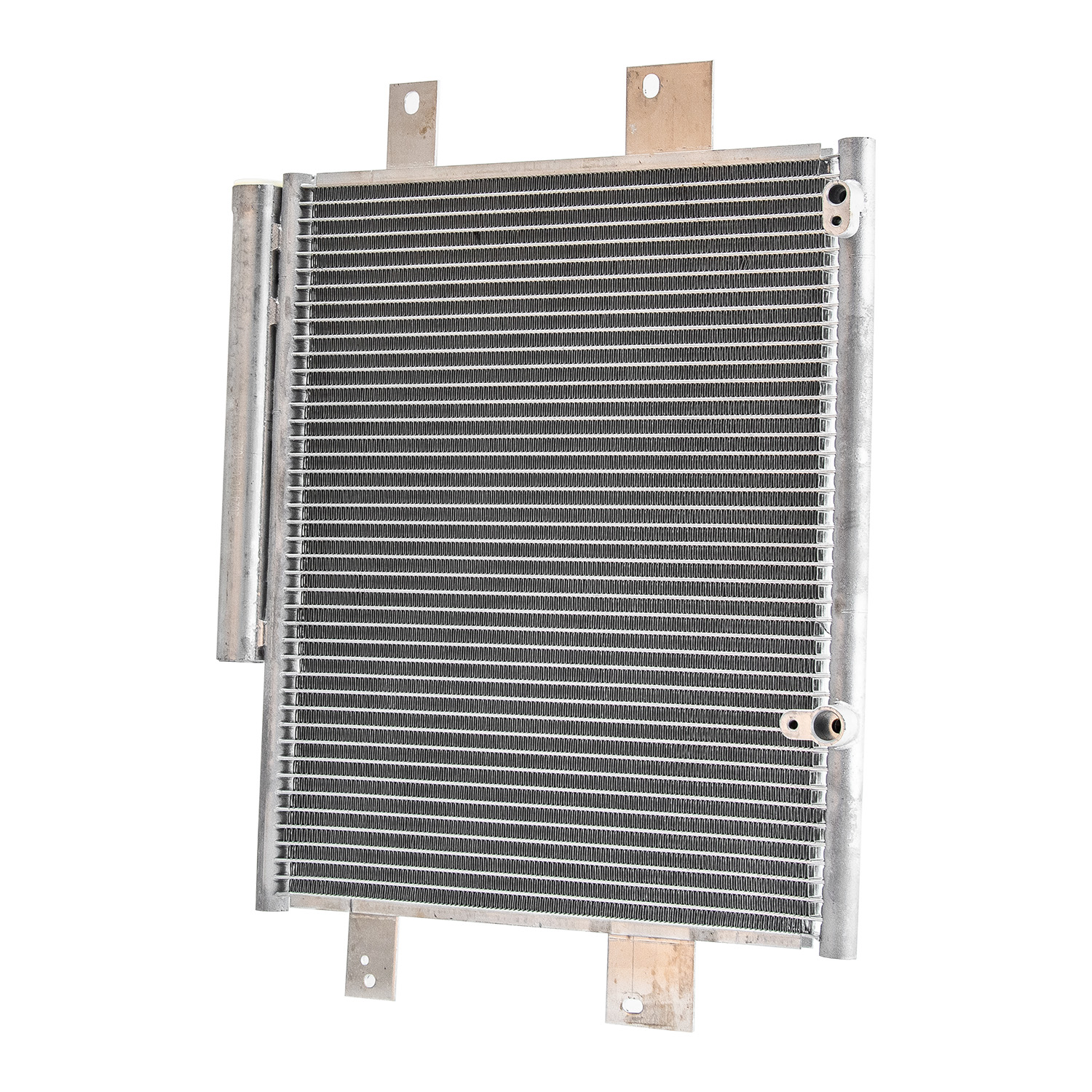
Logistics fleets operating across diverse climates and demanding schedules require reliable air conditioning systems to maintain optimal working conditions and protect valuable cargo. The heart of any vehicle's cooling system lies in its AC condenser, which plays a critical role in heat dissipation and overall system efficiency. Modern high-efficiency AC condensers have revolutionized fleet operations by delivering superior performance, enhanced durability, and significant cost savings over traditional cooling components.
Fleet managers increasingly recognize that investing in premium AC condenser technology directly impacts operational efficiency, driver satisfaction, and long-term maintenance costs. High-performance condensers utilize advanced aluminum construction and innovative fin designs to maximize heat transfer while minimizing weight and installation complexity. These improvements translate into tangible benefits that extend far beyond basic temperature control, affecting everything from fuel consumption to vehicle uptime.
Enhanced Cooling Performance and System Efficiency
Advanced Heat Transfer Technology
High-efficiency AC condensers incorporate sophisticated heat exchange mechanisms that significantly outperform conventional units in demanding fleet applications. The advanced fin geometry and tube configuration maximize surface area contact with ambient air, enabling more effective heat dissipation even during extended idling periods or stop-and-go urban delivery routes. This enhanced thermal management ensures consistent cabin temperatures regardless of external conditions or operational demands.
Modern AC condenser designs feature optimized refrigerant flow patterns that reduce pressure drops and improve overall system efficiency. The streamlined internal pathways minimize energy losses while maximizing cooling capacity, allowing fleet vehicles to maintain comfortable working environments without excessive strain on the engine or electrical system. This efficiency gain becomes particularly valuable during peak summer months when cooling demands reach their highest levels.
The superior heat transfer capabilities of premium condensers also contribute to faster cool-down times, which improves driver comfort and productivity during route transitions. Fleet operators report that vehicles equipped with high-efficiency condensers achieve target cabin temperatures up to 30% faster than those using standard components, reducing driver fatigue and improving overall job satisfaction.
Improved System Reliability and Longevity
Premium AC condensers demonstrate exceptional durability under the demanding conditions typical of commercial fleet operations. The robust construction materials and corrosion-resistant coatings withstand exposure to road salt, debris, and environmental contaminants that frequently cause premature failure in standard condensers. This enhanced durability translates directly into reduced maintenance intervals and fewer unexpected breakdowns.
The improved reliability of high-efficiency condensers also reduces the likelihood of cascade failures that can affect other air conditioning system components. When an AC condenser operates within optimal parameters, it places less stress on the compressor, evaporator, and associated components, extending the service life of the entire cooling system. Fleet managers appreciate this systemic benefit, as it reduces both parts costs and labor expenses over the vehicle's operational lifespan.
Advanced manufacturing processes ensure consistent quality control and precise specifications in premium condensers, resulting in more predictable performance characteristics and maintenance schedules. This reliability allows fleet operators to implement proactive maintenance programs rather than reactive repairs, further optimizing operational costs and vehicle availability.
Cost Optimization and Operational Benefits
Fuel Efficiency Improvements
High-efficiency AC condensers contribute to measurable fuel savings through reduced engine load and improved cooling system performance. The enhanced heat transfer capabilities require less compressor cycling and lower system pressures, directly reducing the parasitic load on the engine during air conditioning operation. Fleet operators typically observe fuel economy improvements of 2-4% during periods of active cooling, which accumulates to significant savings across large vehicle fleets.
The lightweight construction of modern aluminum condensers also contributes to overall vehicle weight reduction compared to traditional copper-brass units. This weight savings improves payload capacity and reduces tire wear while contributing to better fuel efficiency across all operating conditions, not just during air conditioning use. The cumulative effect of these improvements becomes increasingly significant as fleet size and annual mileage increase.
Advanced condenser designs minimize aerodynamic drag through optimized fin spacing and airflow patterns, further contributing to fuel efficiency gains. The improved airflow characteristics reduce the cooling fan operation requirements, decreasing electrical load and improving overall vehicle efficiency during highway operations.
Reduced Maintenance and Downtime Costs
Fleet operators benefit significantly from the extended service intervals and reduced failure rates associated with high-quality AC condensers. The superior corrosion resistance and robust construction minimize the need for frequent inspections and premature replacements that commonly affect standard condensers in commercial applications. This reliability improvement directly translates to reduced maintenance labor costs and fewer service interruptions.
The consistent performance characteristics of premium condensers enable more accurate maintenance scheduling and inventory planning. Fleet managers can predict service requirements more effectively, optimizing technician utilization and parts availability while avoiding costly emergency repairs. This predictability proves especially valuable for operations covering multiple geographic regions with varying service capabilities.
When maintenance is required, high-efficiency condensers often feature improved accessibility and standardized connections that reduce labor time and complexity. The simplified service procedures enable faster repairs and reduce the specialized knowledge required for maintenance technicians, contributing to lower overall service costs and improved vehicle availability.
Environmental Impact and Compliance Advantages
Refrigerant Efficiency and Environmental Protection
Modern high-efficiency AC condensers optimize refrigerant usage through improved system design and tighter manufacturing tolerances. The enhanced sealing and precision-engineered connections minimize refrigerant leaks that contribute to environmental pollution and regulatory compliance issues. Fleet operators benefit from reduced refrigerant replacement costs while meeting increasingly stringent environmental regulations.
The improved cooling efficiency of premium condensers allows for reduced refrigerant charge requirements without compromising performance. This reduction in refrigerant volume decreases both environmental impact and system service costs while maintaining optimal cooling capacity. The environmental benefits align with corporate sustainability initiatives and regulatory compliance requirements in many jurisdictions.
Advanced AC condenser technology supports the transition to newer, more environmentally friendly refrigerants by providing the enhanced heat transfer capabilities required for optimal performance with these alternative cooling media. This compatibility ensures long-term regulatory compliance while maintaining operational efficiency as industry standards continue to evolve.
Noise Reduction and Urban Operations
High-efficiency condensers typically operate more quietly than conventional units due to improved airflow designs and reduced cooling fan requirements. The enhanced heat transfer capabilities allow for lower fan speeds while maintaining adequate cooling performance, significantly reducing noise levels during urban deliveries and residential service calls. This noise reduction improves community relations and enables operations in noise-sensitive areas.
The quieter operation of premium AC condenser systems also contributes to reduced driver fatigue during extended operating periods. The elimination of excessive fan noise and compressor cycling creates a more comfortable working environment that supports driver alertness and job satisfaction. Fleet operators report improved driver retention rates in vehicles equipped with high-performance cooling systems.
The reduced noise signature of efficient condensers enables compliance with local noise ordinances in urban areas, expanding operational flexibility and delivery windows. This capability proves particularly valuable for night deliveries and early morning service calls where noise restrictions might otherwise limit fleet operations.
Technology Integration and Smart Fleet Management
Diagnostic Capabilities and Predictive Maintenance
Modern high-efficiency AC condensers integrate seamlessly with advanced fleet management systems through enhanced diagnostic capabilities and sensor integration. The sophisticated monitoring systems provide real-time performance data that enables predictive maintenance scheduling and early problem detection. Fleet managers can identify potential issues before they result in system failures or costly emergency repairs.
The diagnostic capabilities of premium condensers extend beyond basic temperature monitoring to include pressure readings, flow rates, and efficiency metrics that provide comprehensive system health assessments. This detailed information enables data-driven maintenance decisions and helps optimize replacement schedules based on actual performance rather than arbitrary time intervals.
Integration with telematics systems allows for remote monitoring of AC condenser performance across entire fleets, enabling centralized maintenance planning and resource allocation. The ability to track performance trends and identify patterns across multiple vehicles helps fleet operators optimize their cooling system strategies and achieve better overall cost management.
Scalability and Fleet Standardization
High-efficiency AC condensers support fleet standardization initiatives through consistent performance characteristics and universal mounting configurations. The standardized approach simplifies inventory management, technician training, and service procedures across diverse vehicle platforms. Fleet operators can achieve economies of scale through bulk purchasing while ensuring consistent performance standards across their entire operation.
The modular design of premium condensers facilitates easy upgrades and replacements without requiring extensive system modifications or specialized tools. This compatibility reduces conversion costs when upgrading existing fleets while ensuring that new vehicle acquisitions can benefit from the latest cooling technology without integration challenges.
Standardization on high-performance condenser technology also enables better service network coverage and parts availability across multiple geographic regions. Fleet operators can maintain consistent service quality and response times regardless of location while benefiting from economies of scale in parts procurement and technician training.
FAQ
How much fuel savings can logistics fleets expect from high-efficiency AC condensers?
Logistics fleets typically experience fuel economy improvements of 2-4% during active cooling periods when using high-efficiency AC condensers compared to standard units. These savings result from reduced engine load, improved system efficiency, and lower compressor cycling requirements. The actual savings vary based on climate conditions, vehicle usage patterns, and route characteristics, but fleet operators generally see measurable improvements within the first operating season after installation.
What is the typical lifespan difference between standard and high-efficiency AC condensers in fleet applications?
High-efficiency AC condensers typically last 40-60% longer than standard condensers in demanding fleet applications, often achieving 150,000-200,000 miles of service life compared to 80,000-120,000 miles for conventional units. The extended lifespan results from superior materials, enhanced corrosion resistance, and improved manufacturing processes that better withstand the harsh operating conditions common in commercial fleet environments.
Can existing fleet vehicles be upgraded with high-efficiency AC condensers without major system modifications?
Most existing fleet vehicles can accommodate high-efficiency AC condenser upgrades with minimal system modifications, as premium units are typically designed with universal mounting configurations and standard connection points. However, optimal performance may require refrigerant system rebalancing and occasional component compatibility verification. Fleet operators should consult with qualified technicians to ensure proper integration and maximum efficiency gains from the upgrade process.
How do high-efficiency AC condensers perform in extreme temperature conditions common to logistics operations?
High-efficiency AC condensers excel in extreme temperature conditions through advanced heat transfer technology and robust construction materials that maintain optimal performance across wide temperature ranges. The enhanced fin geometry and improved airflow designs ensure consistent cooling capacity even in ambient temperatures exceeding 100°F, while corrosion-resistant coatings protect against temperature-related degradation. Fleet operators report reliable performance in both desert conditions and high-humidity environments where standard condensers often struggle to maintain adequate cooling capacity.
Table of Contents
- Enhanced Cooling Performance and System Efficiency
- Cost Optimization and Operational Benefits
- Environmental Impact and Compliance Advantages
- Technology Integration and Smart Fleet Management
-
FAQ
- How much fuel savings can logistics fleets expect from high-efficiency AC condensers?
- What is the typical lifespan difference between standard and high-efficiency AC condensers in fleet applications?
- Can existing fleet vehicles be upgraded with high-efficiency AC condensers without major system modifications?
- How do high-efficiency AC condensers perform in extreme temperature conditions common to logistics operations?