
 EN
EN
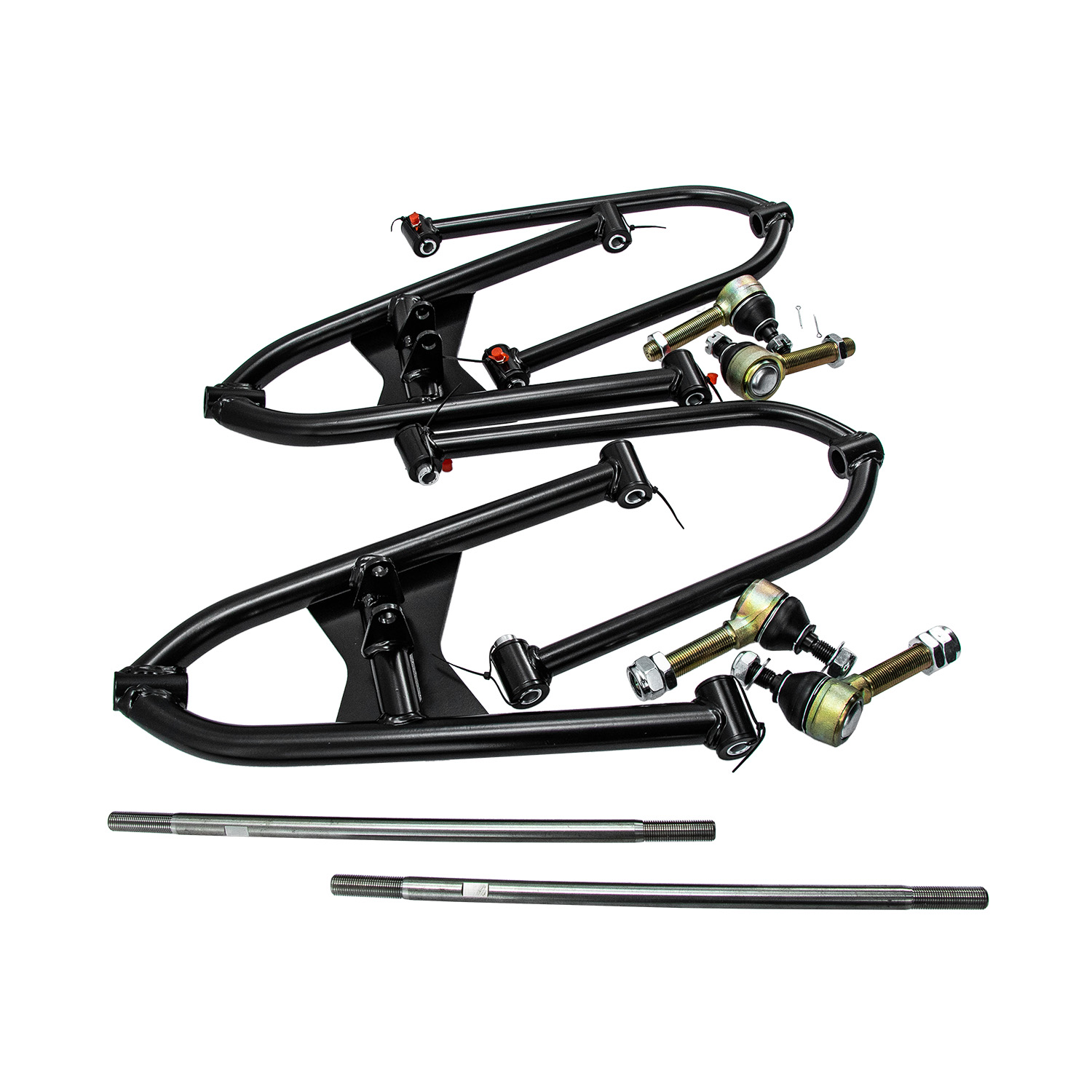
Professional vehicle inspection requires systematic evaluation of critical suspension components, with control arms representing one of the most essential elements demanding thorough assessment. These pivotal components connect the vehicle's frame to the wheels, maintaining proper alignment and ensuring safe handling characteristics across various driving conditions. Effective inspection protocols for control arms involve comprehensive visual examination, functional testing, and precise measurement techniques that reveal potential wear patterns, structural damage, or mounting point deterioration. Mechanics who master these inspection procedures can identify problems early, preventing costly repairs and ensuring optimal vehicle performance for their customers.
Essential Pre-Inspection Preparation
Vehicle Positioning and Safety Protocols
Proper vehicle positioning forms the foundation of effective control arms inspection procedures. Mechanics must ensure the vehicle rests on level ground with adequate working space around all suspension components. Professional inspection bays provide optimal lighting conditions and sufficient clearance for comprehensive visual assessment. Safety protocols require wheel chocks, proper jack stands, and verified lifting point specifications before beginning any hands-on examination of control arms assemblies.
Systematic inspection begins with documenting vehicle specifications, including year, make, model, and mileage information that influences expected wear patterns. Control arms experience different stress loads depending on vehicle weight distribution, driving conditions, and suspension design characteristics. Recording ambient temperature and shop conditions helps maintain consistent inspection standards across different seasonal periods when material expansion and contraction may affect measurement accuracy.
Tool Selection and Equipment Verification
Comprehensive control arms inspection requires specialized tools including torque wrenches, dial indicators, pry bars, and precision measurement devices. Quality inspection procedures demand calibrated equipment that provides accurate readings for wear assessment and clearance measurements. Professional mechanics maintain tool calibration schedules ensuring consistent results across multiple vehicle inspections and different technician assignments.
Digital photography equipment documents control arms conditions before, during, and after inspection procedures. Visual documentation supports customer communication, warranty claims, and quality assurance programs within professional service facilities. Proper lighting equipment illuminates hard-to-reach areas where control arms connect to chassis mounting points and wheel assemblies.
Visual Inspection Techniques
Surface Condition Assessment
Thorough visual examination of control arms begins with surface condition evaluation, identifying rust, corrosion, or coating deterioration that compromises structural integrity. Professional inspection protocols examine all visible surfaces including mounting brackets, arm bodies, and bushing interfaces. Mechanics document surface irregularities using standardized terminology that clearly communicates findings to service advisors and customers.
Paint damage, scratches, or impact marks on control arms often indicate collision history or road hazard encounters that may have caused internal damage. Experienced mechanics recognize wear patterns that suggest alignment problems, overloading conditions, or improper installation procedures. Systematic documentation of these visual indicators supports comprehensive diagnosis and appropriate repair recommendations.
Bushing and Joint Evaluation
Control arms utilize various bushing materials including rubber, polyurethane, and metal assemblies that require specific inspection approaches. Visual assessment identifies cracking, splitting, or separation in rubber bushings that compromise suspension geometry and handling characteristics. Professional mechanics examine bushing mounting surfaces for proper seating, adequate lubrication, and appropriate clearances.
Ball joint inspection within control arms assemblies focuses on boot condition, grease retention, and joint articulation range. Torn or missing boots allow contamination entry that accelerates wear and reduces service life. Systematic examination procedures include checking for excessive play, binding conditions, or abnormal noise during joint movement throughout the full range of motion.
Functional Testing Procedures
Load Testing Methodologies
Professional control arms inspection includes systematic load testing that simulates operational stresses encountered during normal driving conditions. Mechanics apply controlled forces using appropriate prying tools to evaluate bushing compliance, joint integrity, and mounting point security. Proper load testing procedures avoid excessive force application that could damage serviceable components while providing accurate assessment data.
Dynamic testing involves wheel movement simulation that exercises control arms through their complete range of motion. Professional inspection protocols include both vertical and horizontal movement patterns that replicate road surface irregularities and cornering forces. Systematic observation during dynamic testing reveals binding conditions, excessive clearances, or abnormal noise generation that indicates component deterioration.
Measurement and Tolerance Verification
Precise measurement techniques verify control arms dimensions against manufacturer specifications, ensuring proper suspension geometry and alignment capabilities. Professional mechanics utilize dial indicators, micrometers, and specialized gauges to assess wear limits and clearance specifications. Systematic measurement procedures include both static and loaded conditions that provide comprehensive assessment data.
Tolerance verification extends beyond simple dimension checking to include angular measurements, parallelism assessment, and surface finish evaluation. Control arms must maintain precise relationships with other suspension components to ensure proper wheel alignment and handling characteristics. Professional inspection protocols document all measurements using standardized forms that support quality assurance and customer communication requirements.
Common Failure Patterns
Wear Characteristic Identification
Experienced mechanics recognize characteristic wear patterns in control arms that indicate specific operating conditions or maintenance deficiencies. Uneven bushing wear often suggests alignment problems, improper installation, or inadequate lubrication practices. Professional diagnosis correlates these wear patterns with vehicle history, driving conditions, and maintenance records to provide comprehensive assessment results.
Fatigue cracking in control arms typically occurs at high-stress locations including mounting brackets, reinforcement ribs, and joint attachment points. Systematic inspection procedures include dye penetrant testing or magnetic particle inspection for critical applications where crack detection requires enhanced sensitivity. Professional mechanics document crack locations, orientations, and approximate sizes to support repair or replacement decisions.
Environmental Damage Assessment
Road salt, moisture, and temperature cycling create corrosive environments that degrade control arms over extended service periods. Professional inspection protocols evaluate corrosion depth, affected areas, and remaining material thickness to determine component serviceability. Systematic documentation includes photographic evidence and dimensional measurements that support warranty claims or insurance assessments.
Impact damage from road hazards creates unique failure patterns in control arms that require specialized evaluation techniques. Mechanics examine deformation patterns, stress concentrations, and secondary damage that may not be immediately visible during routine inspection procedures. Professional assessment includes evaluation of adjacent components that may have sustained related damage during the same incident.
Documentation and Reporting Standards
Inspection Record Requirements
Professional control arms inspection generates comprehensive documentation that supports customer communication, warranty processing, and quality assurance programs. Standardized inspection forms capture all relevant measurements, observations, and recommendations using terminology that clearly communicates findings to non-technical personnel. Systematic documentation practices ensure consistency across different technicians and inspection sessions.
Digital photography supplements written inspection reports with visual evidence that supports repair recommendations and customer education efforts. Professional documentation standards include multiple angles, proper lighting, and scale references that clearly illustrate component conditions. Systematic filing procedures organize inspection records for easy retrieval during follow-up services or warranty claim processing.
Customer Communication Protocols
Effective control arms inspection includes clear communication protocols that help customers understand component conditions and recommended actions. Professional service facilities utilize visual aids, simplified terminology, and cost-benefit analysis to support informed decision-making processes. Systematic communication approaches build customer confidence and support long-term service relationships.
Priority ranking systems help customers understand the relative importance of different control arms issues and their impact on vehicle safety and performance. Professional communication protocols include timeline recommendations, cost estimates, and consequence explanations that support appropriate maintenance scheduling. Clear documentation of customer decisions protects both parties and ensures appropriate follow-up procedures.
Advanced Diagnostic Techniques
Electronic Testing Methods
Modern control arms inspection incorporates electronic diagnostic equipment that provides enhanced sensitivity and measurement accuracy compared to traditional manual techniques. Vibration analyzers, electronic stethoscopes, and computerized alignment equipment detect subtle problems that may not be apparent during visual inspection procedures. Professional mechanics integrate these advanced tools with traditional inspection methods to provide comprehensive component assessment.
Laser measurement systems enable precise geometric analysis of control arms assemblies, detecting minute variations in suspension geometry that affect handling characteristics and tire wear patterns. Professional diagnostic protocols utilize these advanced measurement capabilities to identify problems before they become apparent through conventional inspection techniques. Systematic application of electronic testing methods enhances inspection accuracy and customer satisfaction.
Comparative Analysis Procedures
Professional control arms inspection includes comparative analysis between left and right side components to identify asymmetric wear patterns or damage conditions. Side-to-side comparison reveals problems that may not be apparent when examining individual components in isolation. Systematic comparative procedures include measurements, visual assessment, and functional testing that highlight differences requiring further investigation.
Historical comparison utilizes previous inspection records to track component deterioration rates and predict future service requirements. Professional service facilities maintain detailed records that support trend analysis and preventive maintenance scheduling. Systematic comparison procedures help optimize service intervals and improve customer satisfaction through proactive component replacement programs.
FAQ
How often should control arms be inspected during routine maintenance?
Control arms require inspection every 12,000 to 15,000 miles or annually, whichever occurs first, as part of comprehensive suspension system evaluation. Professional mechanics recommend more frequent inspection for vehicles operating in severe conditions including frequent off-road use, harsh weather environments, or heavy loading situations. Visual inspection during tire rotation or brake service provides opportunities for early problem detection without additional service costs.
What are the most reliable indicators of control arms failure?
The most reliable indicators include unusual tire wear patterns, steering instability, excessive road noise, and visible component damage such as cracked bushings or bent arms. Professional diagnosis correlates these symptoms with systematic inspection findings to confirm control arms problems and differentiate them from other suspension issues. Early detection through regular inspection prevents more extensive damage and reduces overall repair costs.
Can control arms be repaired or must they be replaced when problems are identified?
Control arms repair options depend on the specific problem type and component design, with bushing replacement being the most common serviceable repair. Structural damage, fatigue cracking, or severe corrosion typically requires complete component replacement to ensure safe operation. Professional mechanics evaluate repair feasibility based on manufacturer specifications, safety requirements, and cost-effectiveness compared to replacement options.
What safety precautions are essential during control arms inspection procedures?
Essential safety precautions include proper vehicle support using appropriate jack stands, verified lifting points, and adequate working clearance around suspension components. Professional inspection procedures require safety glasses, appropriate lighting, and proper tool selection to prevent injury during component examination. Systematic safety protocols include verification of vehicle stability before beginning hands-on inspection and maintaining awareness of spring-loaded components under tension.