
 EN
EN
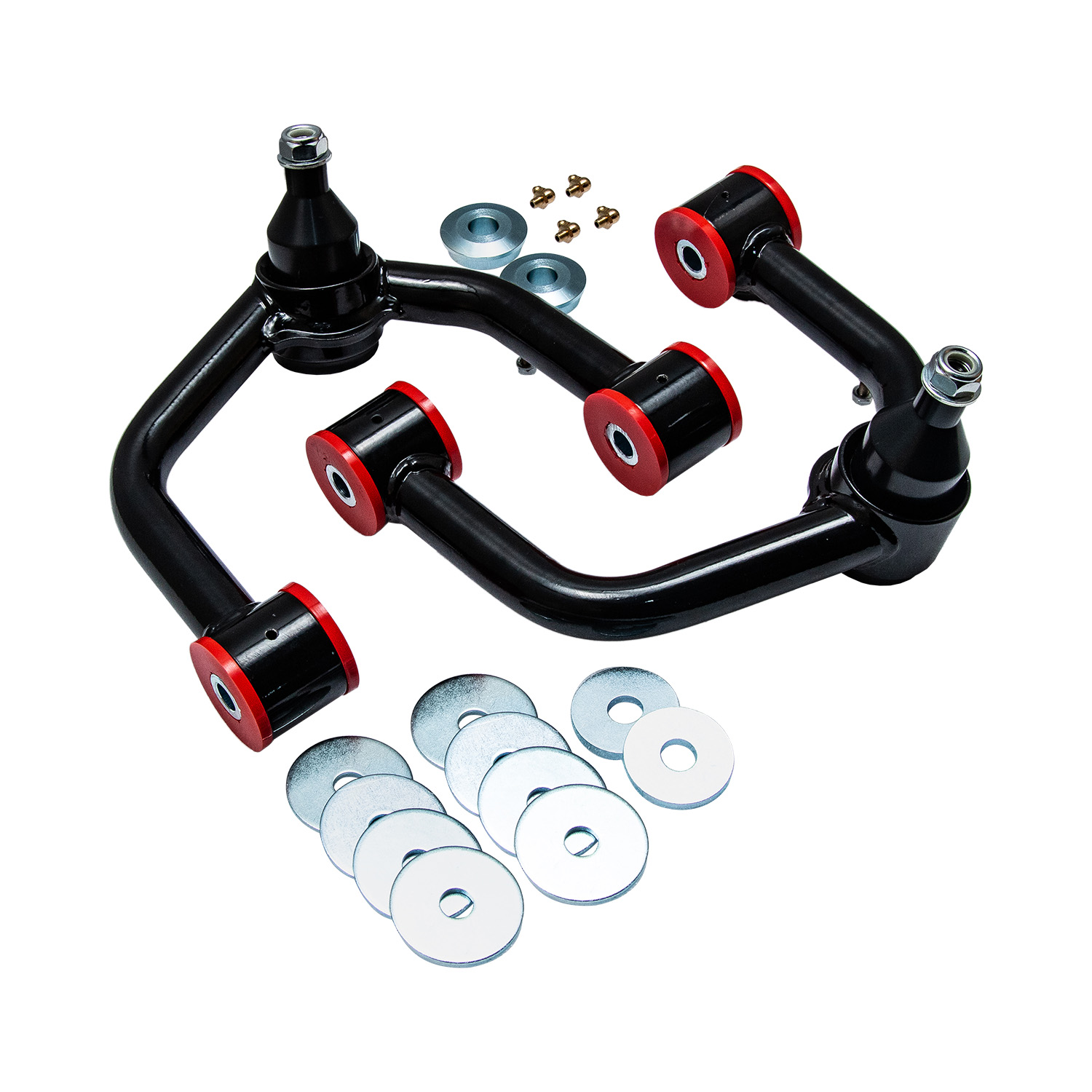
Modern automotive suspension systems have evolved significantly over the past decades, with multi-link configurations becoming increasingly sophisticated to meet contemporary performance and comfort demands. Control arms serve as fundamental components that connect the vehicle's chassis to the wheels, playing a crucial role in maintaining proper wheel alignment, handling characteristics, and ride quality. These essential suspension elements work in conjunction with various other components to create a comprehensive system that manages vertical wheel movement while controlling lateral and longitudinal forces during vehicle operation.
Multi-link suspension systems represent the pinnacle of suspension engineering, utilizing multiple control arms to achieve precise wheel control across all driving conditions. Unlike simpler suspension designs that rely on fewer connection points, multi-link systems employ several control arms positioned at strategic angles to optimize wheel motion and minimize unwanted movement. This sophisticated approach allows engineers to fine-tune suspension geometry for specific performance characteristics, whether prioritizing comfort, handling precision, or load-carrying capacity. The integration of control arms within these systems requires careful consideration of mounting points, bushing materials, and overall geometry to achieve desired performance outcomes.
The complexity of modern multi-link systems stems from their ability to separate different suspension functions among various control arms. Upper control arms typically manage camber changes during wheel travel, while lower control arms handle primary load-bearing responsibilities and maintain proper wheel positioning. Additional control arms may be incorporated to manage toe changes, provide anti-squat characteristics during acceleration, or enhance anti-dive properties during braking. This functional separation allows engineers to optimize each component for its specific role while minimizing compromises that would be necessary in simpler suspension designs.
Fundamental Architecture of Multi-Link Systems
Primary Control Arm Configurations
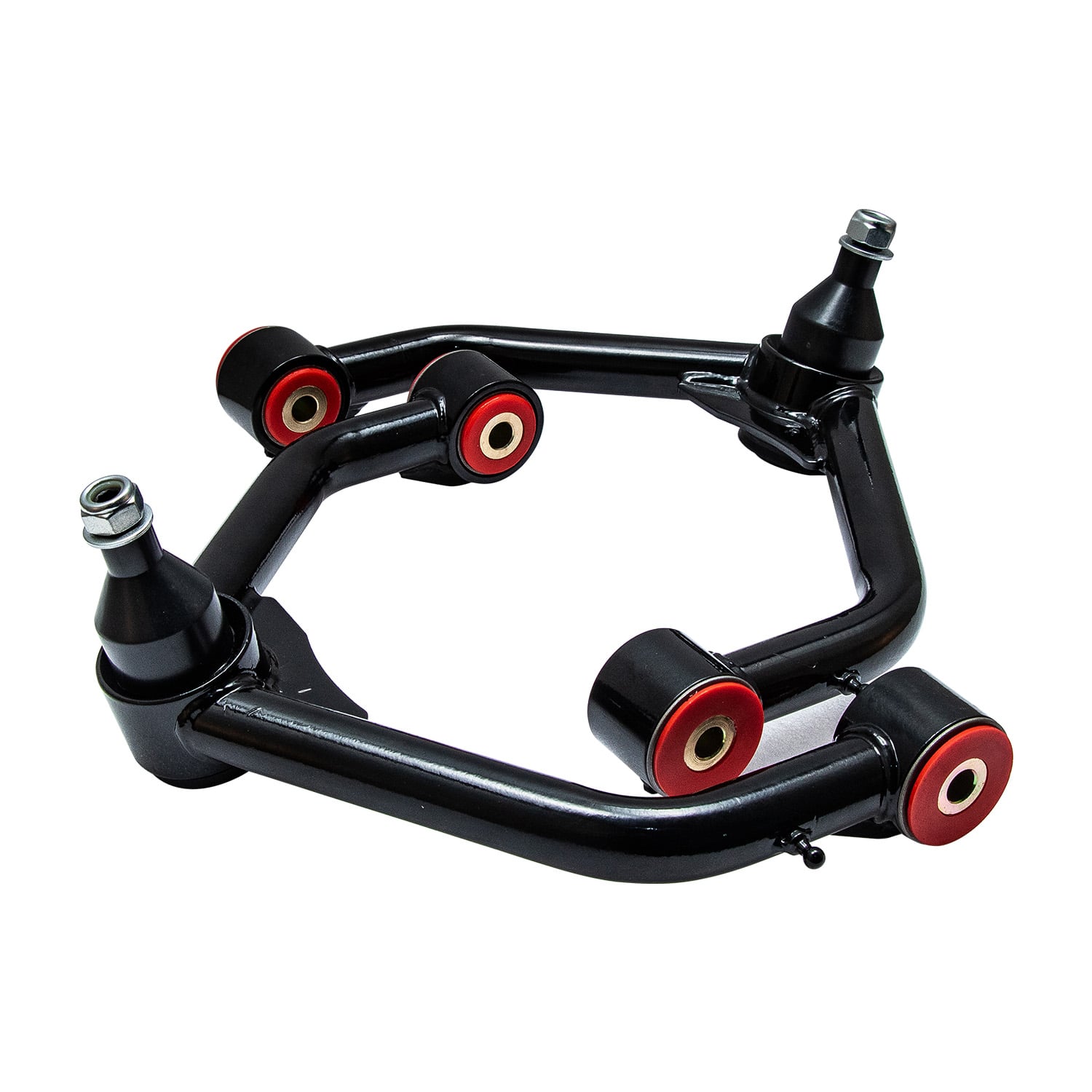
Multi-link suspension systems typically incorporate three to five control arms per wheel, each serving specific geometric and functional purposes. The lower control arms form the foundation of the system, connecting the wheel hub assembly to the vehicle's subframe or chassis through robust mounting points designed to handle significant loads. These primary control arms must withstand forces generated during acceleration, braking, cornering, and impact absorption while maintaining precise positioning of the wheel assembly relative to the vehicle body.
Upper control arms complement the lower assemblies by providing additional geometric control, particularly for camber adjustment during suspension travel. The positioning and length of upper control arms directly influence how the wheel tilts during compression and extension cycles, affecting tire contact patch optimization and handling characteristics. Modern designs often incorporate adjustable upper control arms to accommodate different performance requirements or compensate for manufacturing tolerances across the suspension system.
Trailing arms represent another critical component in rear multi-link systems, managing longitudinal forces generated during acceleration and braking while contributing to overall wheel positioning. These control arms extend rearward from the wheel hub assembly to mounting points on the vehicle's subframe, providing stability during power delivery and helping maintain consistent wheel alignment under varying load conditions. The integration of trailing arms with other suspension components requires careful attention to mounting point locations and bushing characteristics.
Geometric Relationships and Mounting Points
The effectiveness of multi-link systems depends heavily on precise geometric relationships between control arms and their mounting points on both the chassis and wheel hub assemblies. Engineers must carefully calculate the positioning of each mounting point to achieve desired suspension characteristics while avoiding binding or interference during full travel cycles. These geometric considerations directly impact critical parameters such as roll center height, instant center locations, and camber gain curves throughout the suspension's operating range.
Mounting point design involves sophisticated analysis of load paths and stress distribution to ensure adequate strength while minimizing weight and complexity. Modern control arms utilize advanced materials and manufacturing techniques to optimize strength-to-weight ratios while providing necessary durability for extended service life. The integration of control arms into vehicle architecture requires coordination with other systems including steering, braking, and drivetrain components to ensure proper clearances and functionality.
Material Engineering and Construction Methods
Advanced Alloy Applications
Contemporary control arms leverage advanced metallurgy and material science to achieve optimal performance characteristics while meeting stringent weight and durability requirements. High-strength aluminum alloys have become increasingly popular for control arm construction due to their excellent strength-to-weight ratios and corrosion resistance properties. These materials allow engineers to design lighter suspension components without compromising structural integrity, contributing to improved fuel efficiency and enhanced handling responsiveness.
Steel control arms continue to play important roles in many applications, particularly where maximum strength and durability are prioritized over weight considerations. Advanced high-strength steels enable the creation of robust control arms capable of withstanding extreme loads while maintaining precise dimensional stability over extended service intervals. The selection between aluminum and steel construction depends on specific application requirements, cost considerations, and overall vehicle design objectives.
Composite materials represent an emerging frontier in control arm construction, offering potential advantages in weight reduction and vibration damping characteristics. Carbon fiber reinforced plastics and other advanced composites provide opportunities to create control arms with tailored stiffness properties and integrated mounting features. However, the adoption of composite materials for primary structural components requires extensive validation and may be limited to specialized high-performance applications due to cost and manufacturing complexity considerations.
Manufacturing and Quality Considerations
Modern control arm manufacturing employs sophisticated production techniques including precision forging, CNC machining, and advanced welding processes to achieve required dimensional accuracy and surface finish specifications. Quality control measures throughout the manufacturing process ensure consistent performance characteristics and reliable operation under demanding conditions. The integration of quality management systems and statistical process control helps maintain tight tolerances while minimizing production variability.
Surface treatment and coating applications protect control arms from corrosion and wear while enhancing their aesthetic appearance and service life. Powder coating, anodizing, and specialized plating processes provide durable protective barriers against environmental exposure while maintaining dimensional accuracy and surface quality. These treatments are particularly important for control arms operating in harsh environments where salt exposure, temperature extremes, and mechanical wear can significantly impact component longevity.
Integration with Electronic Control Systems
Adaptive Suspension Interfaces
Modern vehicles increasingly incorporate electronic control systems that interact with suspension components to provide adaptive ride quality and handling characteristics. Control arms serve as mounting points for various sensors and actuators that enable real-time suspension adjustment based on driving conditions and driver preferences. These systems require control arms designed to accommodate additional hardware while maintaining structural integrity and precise geometric relationships.
Active suspension systems utilize electronically controlled actuators mounted to control arms to provide precise wheel control and enhanced ride quality. The integration of these systems requires control arms capable of handling additional loads and accommodating complex mounting requirements for electronic components. Wiring harnesses and sensor installations must be carefully routed to avoid interference with suspension movement while providing reliable signal transmission under dynamic operating conditions.
Semi-active suspension systems represent a compromise between traditional passive systems and fully active configurations, utilizing electronically controlled dampers and springs to adjust suspension characteristics. Control arms in these systems must accommodate mounting provisions for electronic components while maintaining compatibility with traditional suspension geometry and load paths. The integration of electronic systems with mechanical components requires careful attention to environmental protection and long-term reliability considerations.
Sensor Integration and Data Collection
Control arms increasingly serve as platforms for various sensors that monitor suspension movement, load conditions, and environmental factors. Accelerometers, position sensors, and strain gauges mounted to control arms provide valuable data for electronic stability control systems, adaptive cruise control, and other advanced driver assistance features. The integration of these sensors requires control arms designed with appropriate mounting provisions and protection against environmental exposure.
Data collected from control arm-mounted sensors enables sophisticated analysis of vehicle dynamics and suspension performance, allowing for real-time adjustments to optimize ride quality and handling characteristics. This information also supports predictive maintenance programs by monitoring component wear and identifying potential issues before they result in failure. The implementation of sensor technology in control arms represents a significant advancement in suspension system intelligence and capability.
Performance Optimization and Tuning
Geometric Tuning Parameters
The integration of control arms into multi-link systems enables precise tuning of suspension geometry to achieve specific performance characteristics. Engineers can adjust control arm lengths, mounting point positions, and angular relationships to optimize parameters such as camber curves, toe changes, and roll center migration. These geometric adjustments allow fine-tuning of handling characteristics without requiring changes to springs, dampers, or other primary suspension components.
Control arm positioning directly influences anti-squat and anti-dive characteristics, which affect vehicle behavior during acceleration and braking. By carefully positioning control arms and their mounting points, engineers can create suspension systems that maintain stable geometry under dynamic loading conditions while providing appropriate load transfer characteristics. This level of geometric control enables optimization for specific driving scenarios or performance requirements.
The relationship between control arms and other suspension components affects overall system compliance and responsiveness. Bushing characteristics, control arm stiffness, and mounting point design all contribute to the suspension's ability to respond to road inputs while maintaining precise wheel control. Balancing these factors requires comprehensive analysis and testing to achieve optimal performance across the full range of operating conditions.
Load Distribution and Stress Management
Multi-link systems distribute loads among multiple control arms, reducing stress concentrations and improving overall durability compared to simpler suspension designs. The strategic positioning of control arms allows engineers to direct forces along optimal load paths while minimizing bending moments and stress concentrations. This load distribution capability enables the use of lighter components while maintaining adequate strength and durability characteristics.
Control arms must accommodate various loading conditions including static vehicle weight, dynamic loads from acceleration and braking, lateral forces from cornering, and impact loads from road irregularities. The design of control arms considers these diverse loading scenarios to ensure adequate safety margins while minimizing weight and cost. Advanced finite element analysis techniques enable optimization of control arm geometry and material distribution to achieve required performance characteristics.
Maintenance and Service Considerations
Inspection and Replacement Procedures
Control arms require periodic inspection and maintenance to ensure continued safe operation and optimal performance characteristics. Visual inspection procedures focus on identifying wear at bushing locations, signs of impact damage, and potential fatigue cracking in high-stress areas. The accessibility of control arms varies significantly depending on vehicle design and suspension configuration, affecting service complexity and time requirements.
Replacement procedures for control arms in multi-link systems require careful attention to suspension geometry and alignment specifications. The removal and installation of control arms typically requires specialized tools and equipment to safely support the suspension system while maintaining proper component positioning. Torque specifications and installation sequences must be followed precisely to ensure proper performance and safety characteristics.
Quality replacement control arms must meet original equipment specifications for dimensional accuracy, material properties, and performance characteristics. Aftermarket options may offer enhanced performance features or cost advantages, but selection requires careful consideration of compatibility and quality standards. The integration of replacement control arms into existing suspension systems requires attention to wear patterns on associated components and potential geometry adjustments.
Diagnostic and Troubleshooting Methods
Modern diagnostic techniques for control arms include visual inspection, measurement procedures, and dynamic testing methods to assess component condition and performance. Specialized equipment enables measurement of bushing wear, control arm deflection, and alignment parameters that may indicate developing problems. Early detection of control arm issues helps prevent more extensive damage to associated suspension components.
Symptoms of control arm problems may include abnormal tire wear patterns, handling irregularities, noise during suspension movement, or visible component damage. Diagnostic procedures must consider the interaction between control arms and other suspension components to accurately identify root causes of observed problems. The complexity of multi-link systems requires systematic diagnostic approaches to isolate issues and determine appropriate corrective actions.
Future Developments and Innovations
Smart Material Applications
Emerging technologies in smart materials offer potential advantages for future control arm designs, including shape memory alloys that could provide variable stiffness characteristics and piezoelectric materials that could enable active vibration control. These advanced materials could enable control arms that adapt their properties based on operating conditions or driver preferences, enhancing both performance and comfort characteristics.
Nanotechnology applications in control arm construction may enable enhanced material properties including improved strength, reduced weight, and enhanced vibration damping characteristics. The integration of nanoscale reinforcements into traditional materials could provide significant performance advantages while maintaining manufacturing feasibility and cost effectiveness. Research into these technologies continues to expand possibilities for future control arm designs.
Manufacturing Evolution and Sustainability
Advanced manufacturing techniques including additive manufacturing and advanced forming processes enable new possibilities for control arm design and production. Three-dimensional printing technologies could enable complex internal structures and integrated features that would be difficult or impossible to achieve with traditional manufacturing methods. These capabilities could lead to significant improvements in strength-to-weight ratios and functional integration.
Sustainability considerations increasingly influence control arm design and manufacturing processes, with emphasis on recyclable materials, reduced energy consumption, and extended service life. The development of bio-based composite materials and recycled metal alloys could provide environmental benefits while maintaining required performance characteristics. Life cycle assessment methodologies help evaluate the total environmental impact of different design and material choices for control arms in modern suspension systems.
FAQ
What distinguishes control arms in multi-link systems from those in simpler suspension designs
Control arms in multi-link systems are specifically designed to work in conjunction with multiple other control arms, each handling specific geometric and load management functions. Unlike simpler suspension designs where fewer control arms must handle multiple duties simultaneously, multi-link configurations allow each control arm to be optimized for its particular role. This specialization enables more precise suspension tuning and better overall performance characteristics, though it does increase system complexity and component count.
How do material choices affect control arm performance in modern vehicles
Material selection significantly impacts control arm performance characteristics including weight, strength, durability, and vibration transmission properties. Aluminum alloys provide excellent strength-to-weight ratios and corrosion resistance, making them ideal for performance applications where weight reduction is important. Steel control arms offer maximum strength and durability for heavy-duty applications, while advanced composites may provide superior vibration damping and weight advantages in specialized applications. The choice depends on specific performance requirements, cost considerations, and manufacturing constraints.
What maintenance intervals are typical for control arms in multi-link suspension systems
Control arms typically require inspection every 12,000 to 15,000 miles with replacement intervals varying significantly based on driving conditions, vehicle usage, and component quality. Severe operating conditions including rough roads, extreme temperatures, or heavy loading may necessitate more frequent inspections and earlier replacement. Visual inspection should focus on bushing condition, physical damage, and signs of wear or fatigue. Professional assessment is recommended when handling changes, unusual tire wear, or noise symptoms develop.
How do electronic systems integrate with control arms in modern vehicles
Modern control arms increasingly serve as mounting platforms for sensors, actuators, and wiring harnesses that support electronic stability control, adaptive suspension, and other advanced systems. These components must be designed to accommodate additional hardware while maintaining structural integrity and proper suspension geometry. Integration requires careful attention to environmental protection, signal integrity, and long-term reliability of electronic components subjected to harsh operating conditions including vibration, temperature extremes, and contamination exposure.
Table of Contents
- Fundamental Architecture of Multi-Link Systems
- Material Engineering and Construction Methods
- Integration with Electronic Control Systems
- Performance Optimization and Tuning
- Maintenance and Service Considerations
- Future Developments and Innovations
-
FAQ
- What distinguishes control arms in multi-link systems from those in simpler suspension designs
- How do material choices affect control arm performance in modern vehicles
- What maintenance intervals are typical for control arms in multi-link suspension systems
- How do electronic systems integrate with control arms in modern vehicles