
 EN
EN
Automotive shops face increasing pressure to deliver efficient, reliable maintenance services while managing costs and customer expectations. One critical component that often requires strategic scheduling attention is control arms, which play an essential role in vehicle suspension systems. Proper maintenance scheduling for control arms can significantly impact workshop productivity, customer satisfaction, and long-term business success. Understanding how to optimize these maintenance schedules requires a comprehensive approach that considers vehicle usage patterns, manufacturer specifications, and practical workshop constraints.
Understanding Control Arm Functionality and Wear Patterns
Essential Components and Their Role
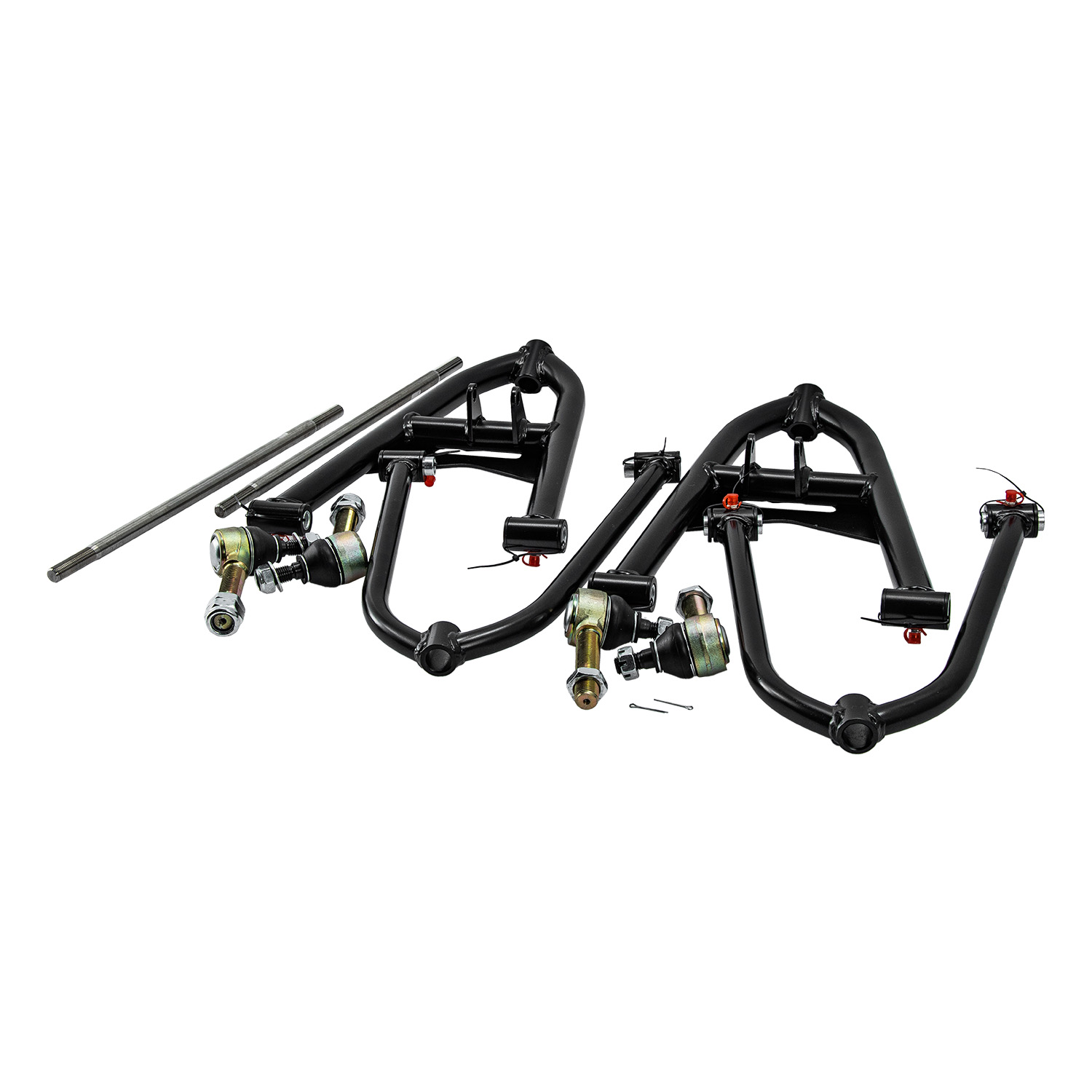
Control arms serve as the critical link between a vehicle's frame and wheel assembly, allowing controlled vertical movement while maintaining proper wheel alignment. These components endure constant stress from road conditions, vehicle weight, and driving dynamics. The complexity of modern control arms, including integrated bushings, ball joints, and mounting points, requires automotive technicians to understand their interconnected relationships. When control arms begin to wear, the effects cascade throughout the suspension system, potentially affecting steering precision, tire wear patterns, and overall vehicle safety.
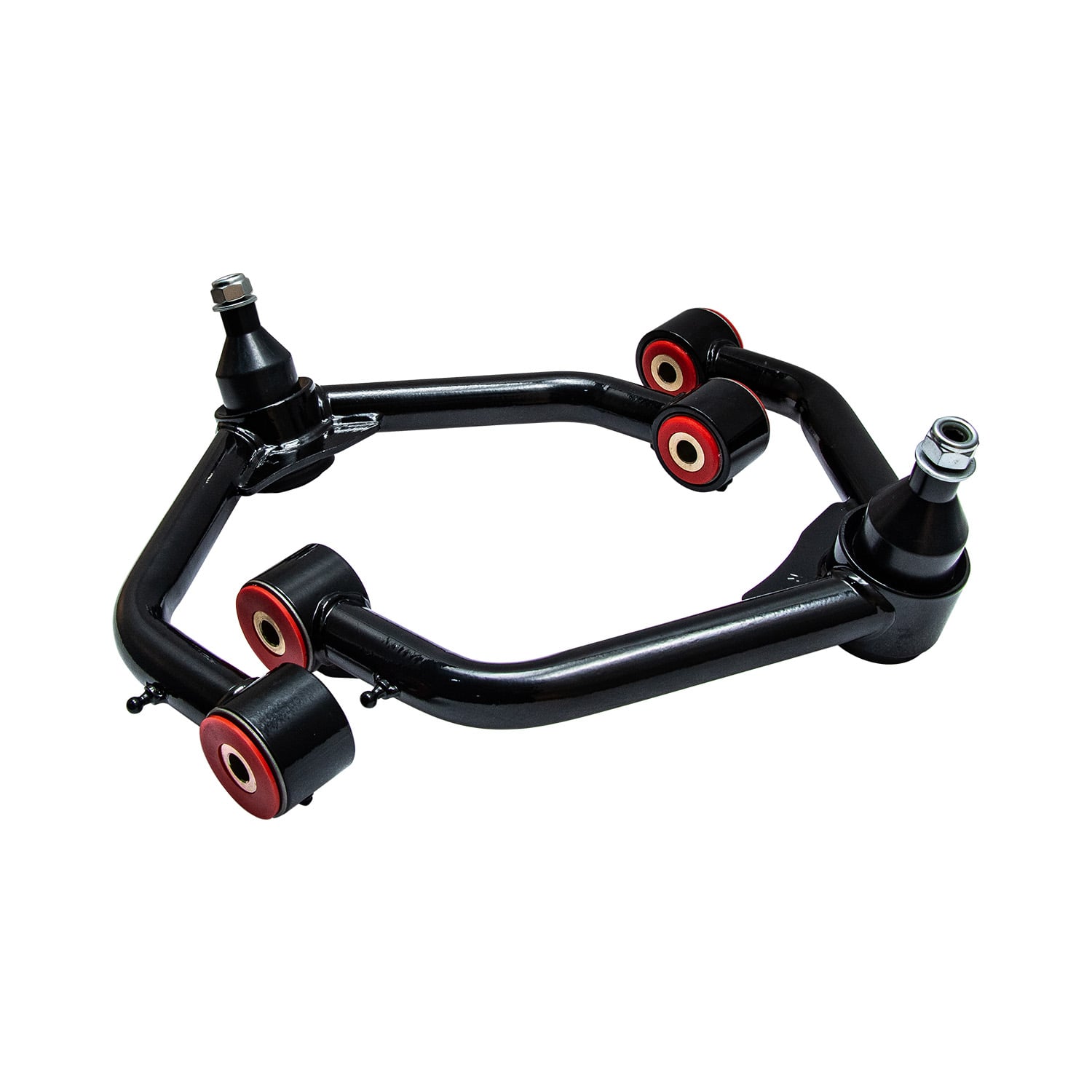
Professional automotive shops must recognize that control arms operate within a system where failure rarely occurs in isolation. Upper and lower control arms work together to maintain camber and caster angles, while bushings absorb vibrations and allow for necessary movement. Ball joints at the outer ends enable steering input while supporting vehicle weight. This interconnected nature means that maintenance schedules must consider the entire suspension geometry rather than treating control arms as standalone components.
Common Failure Modes and Warning Signs
Identifying control arm deterioration early allows shops to schedule maintenance proactively rather than reactively addressing emergency repairs. Bushing degradation represents the most common failure mode, typically manifesting as increased road noise, vibration through the steering wheel, and irregular tire wear patterns. Metal fatigue in the control arm itself, though less common, can lead to catastrophic failure if not detected during routine inspections.
Visual inspection protocols should focus on bushing condition, checking for cracking, separation, or excessive deformation. Control arms themselves require examination for stress fractures, corrosion damage, and mounting point integrity. Ball joint assessment involves checking for excessive play, boot condition, and grease leakage. These inspection points form the foundation for data-driven maintenance scheduling decisions.
Developing Data-Driven Maintenance Intervals
Vehicle Usage Analysis and Classification
Optimizing control arm maintenance schedules begins with understanding how different vehicle usage patterns affect component longevity. Commercial vehicles, delivery fleets, and construction equipment typically require more frequent control arm inspection and replacement compared to passenger vehicles used primarily for commuting. Shops should develop customer classification systems that account for annual mileage, operating environment, load conditions, and driving style.
Geographic factors significantly influence control arm wear rates, with shops in areas experiencing harsh winters, unpaved roads, or extreme temperature variations needing adjusted maintenance intervals. Salt exposure accelerates corrosion in control arm components, while frequent exposure to construction zones or rural roads increases bushing wear due to debris and irregular surfaces. Creating location-specific maintenance schedules helps shops provide more accurate service recommendations.
Manufacturer Specifications and Industry Standards
While manufacturer recommendations provide baseline maintenance intervals for control arms, experienced shops understand these specifications often represent conservative estimates based on ideal operating conditions. Professional technicians must interpret these guidelines within the context of real-world usage patterns and local conditions. Some manufacturers specify control arm inspection at specific mileage intervals, while others recommend replacement based on component condition rather than predetermined schedules.
Industry best practices suggest incorporating control arm inspection into routine maintenance services such as oil changes, tire rotations, and brake inspections. This approach maximizes efficiency while ensuring regular monitoring of these critical components. Shops should establish protocols that document control arm condition during each inspection, creating historical records that inform future maintenance recommendations and help identify patterns in component wear rates.
Implementing Systematic Inspection Protocols
Standardized Assessment Procedures
Consistent inspection procedures ensure that all technicians evaluate control arms using the same criteria and standards. Developing detailed checklists that cover visual inspection, physical manipulation tests, and measurement procedures helps maintain quality control across different service bays and technicians. These protocols should specify acceptable tolerances for bushing condition, ball joint play, and control arm alignment.
Modern diagnostic tools enhance traditional inspection methods, with electronic measuring devices providing precise data on suspension geometry and component condition. Shops investing in wheel alignment equipment with advanced diagnostic capabilities can detect subtle changes in control arm position that might indicate impending failure. Documenting these measurements creates valuable baseline data for future comparisons and trend analysis.
Documentation and Customer Communication
Effective maintenance scheduling requires comprehensive documentation systems that track control arm condition over time. Digital service records should include photos, measurements, and detailed notes about component condition during each inspection. This information helps technicians identify gradual deterioration patterns and make informed recommendations about replacement timing.
Customer communication plays a crucial role in successful maintenance scheduling, with clear explanations about control arm function, wear patterns, and replacement timing helping build trust and understanding. Visual aids, including photos of worn components and diagrams showing suspension system relationships, help customers understand the importance of timely maintenance. Providing written estimates with detailed explanations of work needed and consequences of delayed repairs supports informed decision-making.
Technology Integration for Enhanced Scheduling
Digital Maintenance Management Systems
Modern automotive shops benefit significantly from implementing digital maintenance management systems that track control arm service history and predict future maintenance needs. These systems can analyze historical data to identify patterns in component wear rates, helping shops develop more accurate maintenance schedules for different vehicle types and usage patterns. Integration with customer communication platforms enables automated reminders and service recommendations based on predetermined intervals and component condition.
Advanced software solutions can incorporate multiple variables including vehicle age, mileage, usage patterns, and environmental factors to generate customized maintenance schedules for each customer. This personalized approach improves customer satisfaction while optimizing shop efficiency by reducing unnecessary inspections and preventing unexpected failures. Real-time inventory management integration ensures that control arms and related components are available when needed for scheduled maintenance.
Predictive Analytics and Trend Analysis
Data analytics tools enable shops to identify trends in control arm failure rates across different vehicle makes, models, and usage patterns. This information supports evidence-based decisions about maintenance intervals and helps shops anticipate demand for specific components. Predictive analytics can identify customers whose vehicles are approaching control arm replacement based on historical data and current component condition.
Integration with parts suppliers and inventory management systems allows shops to maintain optimal stock levels of commonly needed control arms while avoiding overstocking slow-moving items. Automated reordering based on predictive analytics ensures component availability while minimizing carrying costs. This systematic approach to inventory management supports efficient maintenance scheduling by eliminating delays caused by parts unavailability.
Cost-Effective Maintenance Strategies
Bundled Service Approaches
Optimizing control arm maintenance schedules involves strategic bundling of related services to maximize efficiency and provide customer value. When control arms require replacement, shops should evaluate related suspension components including struts, springs, sway bar links, and steering components. This comprehensive approach reduces labor costs by addressing multiple components during a single service visit while ensuring optimal suspension system performance.
Preventive maintenance packages that include regular control arm inspection alongside other routine services create predictable revenue streams while providing customers with comprehensive vehicle care. These packages can be structured to align with manufacturer warranty requirements and typical component replacement intervals. Offering different service levels allows customers to choose maintenance approaches that fit their budgets and usage requirements.
Labor Efficiency and Workflow Optimization
Effective scheduling considers the time requirements for control arm inspection and replacement while optimizing technician utilization and bay efficiency. Complex control arm replacement procedures may require specialized tools and equipment, making it important to schedule these services during periods when necessary resources are available. Coordinating control arm work with other suspension services maximizes the return on specialized tool investments.
Training technicians in efficient control arm service procedures reduces labor time while maintaining quality standards. This includes proper use of spring compressors, ball joint separators, and alignment equipment. Establishing standard repair times based on actual shop experience rather than published labor guides helps create realistic scheduling expectations and improve customer communication about service timing.
FAQ
How often should control arms be inspected in typical passenger vehicles
Control arms should be visually inspected during routine maintenance services such as oil changes and tire rotations, typically every 5,000 to 7,500 miles. More thorough inspections including physical manipulation tests should occur annually or every 12,000 to 15,000 miles for most passenger vehicles. Vehicles operating in harsh conditions or commercial applications may require more frequent inspection intervals based on usage patterns and environmental factors.
What factors most significantly affect control arm replacement intervals
Vehicle usage patterns, operating environment, and maintenance history most significantly influence control arm longevity. Commercial vehicles, those frequently driven on unpaved roads, or vehicles exposed to road salt typically require more frequent replacement. Poor wheel alignment, worn tires, and delayed maintenance of related suspension components can accelerate control arm wear and reduce replacement intervals.
Should both control arms be replaced simultaneously even if only one shows wear
Replacing control arms in pairs is generally recommended to maintain suspension balance and alignment stability. When one control arm shows significant wear, the opposing component typically experiences similar stress and may fail shortly after the first replacement. Simultaneous replacement reduces labor costs, ensures matched component performance, and minimizes the need for additional alignment services.
How can shops educate customers about control arm maintenance importance
Effective customer education involves using visual aids, clear explanations of safety implications, and demonstrating worn components when possible. Shops should explain how control arms affect vehicle handling, tire wear, and overall safety while providing written documentation of component condition. Regular communication through service reminders and maintenance recommendations helps customers understand the preventive nature of suspension system care and the cost benefits of timely maintenance.