
 EN
EN
Upgraded control arms represent a critical engineering advancement for heavy-load transport applications, delivering measurable improvements in vehicle stability, load distribution, and operational safety. When commercial vehicles and industrial equipment carry substantial payloads, the standard control arms that work adequately for lighter applications often struggle to maintain proper wheel geometry and suspension performance under increased stress.
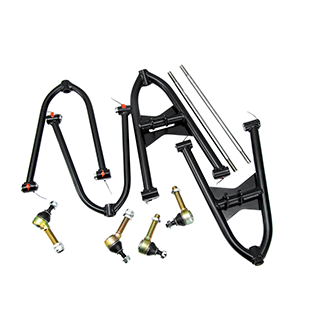
Heavy-load transport demands place extraordinary forces on suspension components, requiring control arms that can withstand greater torque, distribute weight more effectively, and maintain precise wheel alignment throughout extended duty cycles. The advantages of upgrading these crucial suspension components extend far beyond simple durability improvements, encompassing enhanced safety margins, reduced maintenance costs, and improved operational efficiency for fleet operators managing substantial cargo loads.
Enhanced Load Distribution and Structural Integrity
Superior Material Composition and Engineering
Upgraded control arms for heavy-load transport applications utilize advanced metallurgical compositions and strengthened designs that significantly exceed standard automotive specifications. These enhanced components typically feature high-tensile steel construction, reinforced mounting points, and optimized geometry that distributes suspension loads more effectively across the vehicle frame. The superior material properties allow these control arms to handle increased payload stress without experiencing the premature wear or structural deformation common in standard components.
The engineering improvements in upgraded control arms include larger cross-sectional areas at critical stress points, enhanced bushing interfaces, and refined pivot mechanisms that maintain tighter tolerances under load. These design enhancements ensure that heavy payloads do not compromise the suspension system's ability to maintain proper wheel positioning and vehicle stability. Fleet operators consistently report improved performance when switching from standard to upgraded control arms in their heavy-duty applications.
Improved Load Path Management
Upgraded control arms feature optimized load path engineering that efficiently transfers forces from the wheels through the suspension system to the vehicle frame. This improved force distribution reduces stress concentrations that typically cause premature failure in standard components when subjected to heavy-load conditions. The enhanced load path management also contributes to more predictable vehicle handling characteristics, even when operating at or near maximum payload capacity.
The structural advantages extend to the mounting points and interface surfaces, where upgraded control arms often incorporate reinforced brackets and improved fastening systems. These enhancements ensure that the increased loads generated during heavy transport operations are properly managed throughout the entire suspension assembly, preventing the cascading failures that can occur when individual components become overloaded.
Operational Safety and Vehicle Stability Benefits
Maintained Wheel Alignment Under Load
One of the most significant advantages of upgraded control arms in heavy-load transport relates to their ability to maintain proper wheel alignment even under substantial payload stress. Standard control arms may experience deflection or distortion when subjected to heavy loads, leading to changes in camber, caster, and toe angles that compromise vehicle handling and increase tire wear. Upgraded control arms resist these deformations, ensuring consistent wheel geometry throughout the load spectrum.
This alignment stability directly translates to improved vehicle safety, as proper wheel positioning is essential for predictable steering response and braking performance. Heavy-load transport operators report significantly improved handling characteristics when using upgraded control arms, particularly during emergency maneuvers or adverse weather conditions where precise vehicle control becomes critical for operational safety.
Enhanced Suspension Response and Control
Upgraded control arms contribute to more responsive and controlled suspension behavior under heavy-load conditions. The improved structural rigidity and enhanced pivot mechanisms allow the suspension system to react more precisely to road surface variations and load shifts, providing better vehicle stability and ride quality. This enhanced response capability is particularly valuable in heavy-load transport applications where cargo shifting or uneven loading conditions can create dynamic forces that challenge standard suspension components.
The improved suspension control also extends to braking performance, as upgraded control arms help maintain optimal tire contact patches during deceleration events. This enhanced contact area distribution improves braking effectiveness and reduces the risk of wheel lockup or loss of control during emergency stops with heavy payloads.
Economic Advantages and Long-Term Value
Extended Service Life and Durability
The superior construction and materials used in upgraded control arms result in significantly extended service intervals compared to standard components in heavy-load applications. Fleet operators typically experience service life improvements of 200-300% when upgrading to heavy-duty control arms, reducing replacement frequency and associated maintenance costs. The enhanced durability stems from improved fatigue resistance, better corrosion protection, and superior bushing materials that withstand the repeated stress cycles common in heavy transport operations.
This extended service life provides substantial economic benefits for commercial operators, as the reduced maintenance frequency translates directly to lower operational costs and improved vehicle uptime. The initial investment in upgraded control arms is typically recovered within the first service interval through reduced replacement costs and decreased maintenance labor requirements.
Reduced Maintenance Costs and Downtime
Beyond the extended service life, upgraded control arms often require less frequent adjustment and maintenance compared to standard components operating under heavy-load conditions. The improved structural integrity and enhanced bushing designs maintain proper alignment longer, reducing the need for frequent suspension adjustments and wheel alignments. This maintenance reduction is particularly valuable for fleet operations where vehicle downtime directly impacts operational efficiency and profitability.
The reduced maintenance requirements also extend to related suspension components, as properly functioning upgraded control arms help preserve the service life of shocks, springs, and other suspension elements by maintaining proper load distribution and preventing excessive stress on adjacent components.
Performance Optimization for Heavy-Duty Applications
Improved Handling Characteristics
Upgraded control arms significantly enhance vehicle handling characteristics under heavy-load conditions, providing more predictable and stable vehicle behavior across various operating scenarios. The improved structural integrity and enhanced pivot mechanisms allow drivers to maintain better control during cornering, lane changes, and other maneuvering situations where heavy payloads can affect vehicle dynamics. This enhanced handling capability is particularly valuable for operators who frequently navigate urban environments or challenging road conditions with substantial cargo loads.
The handling improvements extend to high-speed stability, where upgraded control arms help maintain proper wheel positioning and suspension geometry even under the aerodynamic and dynamic forces encountered during highway transport. This stability enhancement contributes to reduced driver fatigue and improved overall operational safety for long-haul heavy-load transport operations.
Optimized Tire Wear Patterns
The maintained wheel alignment and improved load distribution provided by upgraded control arms result in more even tire wear patterns, extending tire service life and reducing operating costs. Heavy-load transport applications place exceptional demands on tires, and proper suspension geometry is essential for maximizing tire performance and longevity. Upgraded control arms help ensure that tire contact patches remain optimal throughout the payload spectrum, preventing the uneven wear patterns that can significantly reduce tire life in heavy-duty applications.
The improved tire wear characteristics also contribute to better fuel economy, as properly aligned wheels with optimal contact patches reduce rolling resistance and improve overall vehicle efficiency. This efficiency gain becomes increasingly significant in heavy-load transport operations where fuel costs represent a substantial portion of operational expenses.
FAQ
How do upgraded control arms specifically handle the increased stress from heavy payloads?
Upgraded control arms handle increased stress through enhanced material composition, typically using high-tensile steel with improved fatigue resistance, reinforced mounting points with larger cross-sectional areas, and optimized geometry that distributes loads more effectively across the suspension system. These design improvements allow the components to withstand the higher forces generated by heavy payloads without experiencing the deformation or premature wear common in standard automotive applications.
What is the typical cost-benefit analysis for upgrading to heavy-duty control arms in fleet operations?
The cost-benefit analysis typically shows positive returns within 12-18 months for heavy-load transport operations. While upgraded control arms cost 150-200% more initially than standard components, they typically last 200-300% longer and reduce maintenance frequency by approximately 40%. Additional benefits include reduced tire wear costs, improved fuel efficiency, and decreased vehicle downtime, making the upgrade economically advantageous for most commercial heavy-load applications.
Can upgraded control arms improve safety margins during emergency maneuvers with heavy loads?
Yes, upgraded control arms significantly improve safety margins during emergency situations by maintaining proper wheel alignment and suspension geometry under high-stress conditions. The enhanced structural integrity prevents suspension deflection that could compromise steering response or braking effectiveness during emergency maneuvers. This maintained vehicle control is particularly critical when carrying heavy payloads that increase the vehicle's inertia and require more precise handling during evasive actions.
How do environmental conditions affect the performance advantages of upgraded control arms?
Environmental conditions can actually amplify the performance advantages of upgraded control arms, as these components typically feature enhanced corrosion protection and temperature-resistant materials. In harsh conditions such as extreme temperatures, corrosive environments, or rough terrain, the superior materials and construction of upgraded control arms maintain their performance characteristics better than standard components, providing more consistent vehicle behavior and extended service life even under challenging environmental conditions.
Table of Contents
- Enhanced Load Distribution and Structural Integrity
- Operational Safety and Vehicle Stability Benefits
- Economic Advantages and Long-Term Value
- Performance Optimization for Heavy-Duty Applications
-
FAQ
- How do upgraded control arms specifically handle the increased stress from heavy payloads?
- What is the typical cost-benefit analysis for upgrading to heavy-duty control arms in fleet operations?
- Can upgraded control arms improve safety margins during emergency maneuvers with heavy loads?
- How do environmental conditions affect the performance advantages of upgraded control arms?