
 EN
EN
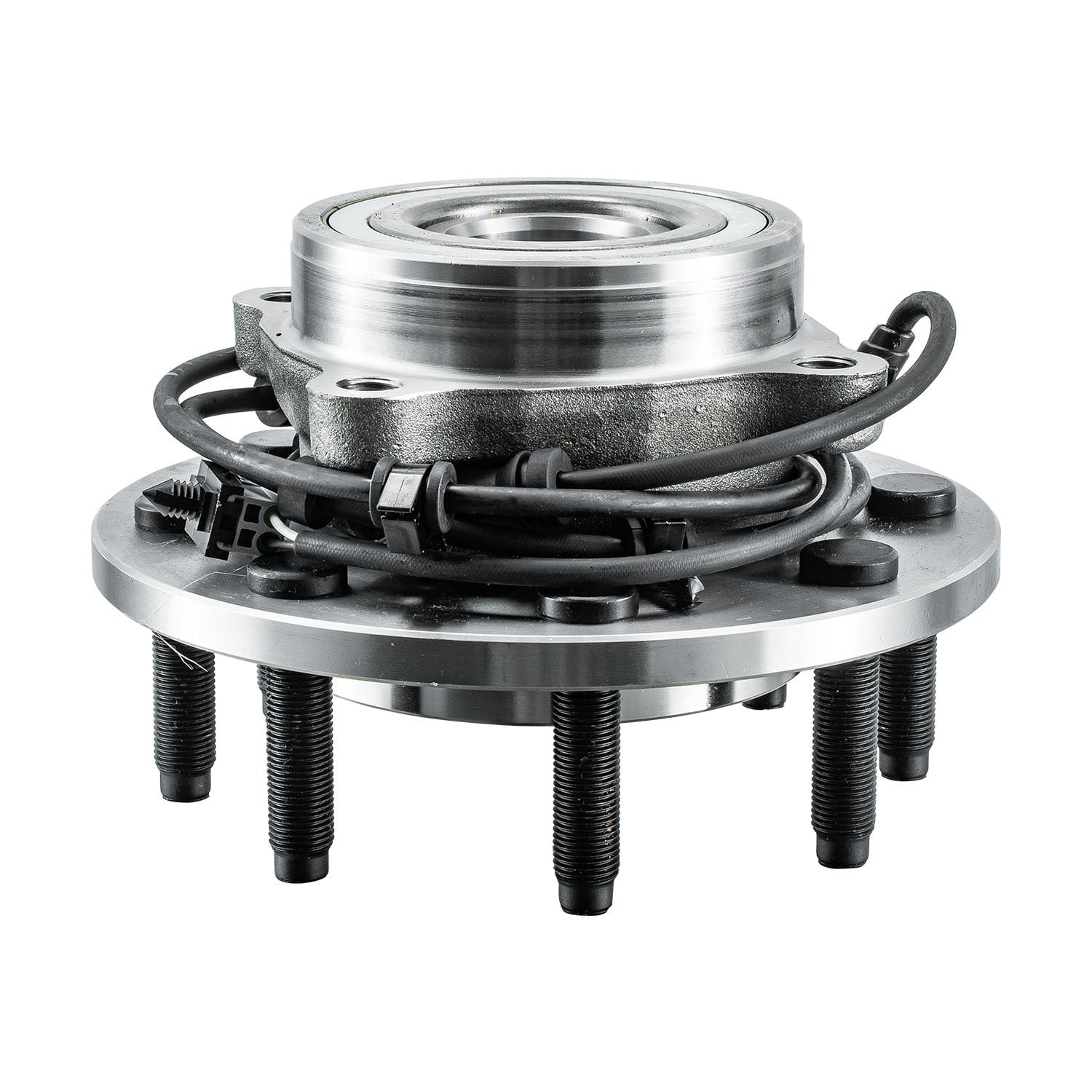
The hub bearing serves as a critical connection point between your vehicle's wheel assembly and the suspension system, directly influencing both wheel stability and overall driving safety. This essential component enables smooth wheel rotation while supporting the vehicle's weight and managing lateral forces during cornering, braking, and acceleration. Understanding how a hub bearing affects wheel stability and safety requires examining its mechanical function, load distribution capabilities, and the consequences of bearing deterioration on vehicle performance.
When a hub bearing functions properly, it maintains precise wheel alignment and allows for controlled movement in response to steering inputs. However, when bearing wear or failure occurs, the resulting wheel instability can compromise vehicle control, increase braking distances, and create dangerous driving conditions. The relationship between hub bearing condition and wheel stability extends beyond simple rotation, encompassing complex interactions with suspension geometry, tire contact patches, and steering responsiveness that collectively determine your vehicle's safety performance.
Mechanical Function and Load Management
Primary Load Distribution Mechanisms
A hub bearing manages multiple types of mechanical loads simultaneously, creating the foundation for stable wheel operation. The bearing assembly distributes the vehicle's static weight evenly across the wheel hub while accommodating dynamic loads generated during acceleration, braking, and cornering maneuvers. This load distribution function directly impacts wheel stability by maintaining consistent contact between the tire and road surface, preventing irregular wear patterns that could compromise traction and handling characteristics.
The internal structure of a hub bearing includes precision-engineered races and ball or roller elements that create multiple load paths for force transmission. During normal operation, these components work together to transfer vertical loads from the vehicle chassis through the suspension system to the wheel assembly. The hub bearing also manages radial and axial forces that occur when the vehicle changes direction or encounters road irregularities, maintaining wheel position accuracy that directly influences steering precision and vehicle stability.
When examining load distribution capabilities, the hub bearing's ability to handle combined loading scenarios becomes crucial for safety performance. During emergency braking, for example, the bearing must simultaneously manage increased vertical loads from weight transfer, lateral forces from steering corrections, and rotational stresses from wheel deceleration. This multi-directional load management capability ensures that wheel position remains stable even under extreme driving conditions.
Rotational Precision and Alignment Control
The precision with which a hub bearing maintains wheel alignment directly influences vehicle stability and safety characteristics. Manufacturing tolerances within the bearing assembly determine how accurately the wheel hub centers relative to the suspension mounting points, affecting wheel camber, caster, and toe alignment parameters. Even minor deviations in bearing concentricity can create wheel wobble or vibration that translates into steering wheel feedback and reduced vehicle control.
Hub bearing precision also affects the relationship between wheel rotation and suspension geometry during dynamic driving situations. As the vehicle encounters bumps, turns, or braking forces, the bearing must maintain consistent wheel positioning to preserve optimal tire contact patches. This stability ensures that suspension components can function as designed, providing predictable handling characteristics and maintaining the intended relationship between steering input and vehicle response.
The rotational smoothness provided by a properly functioning hub bearing contributes to overall wheel stability by eliminating irregular forces that could disrupt vehicle balance. Smooth rotation minimizes vibration transmission through the suspension system, reducing driver fatigue and maintaining clear communication between road conditions and steering feel. This rotational consistency becomes particularly important at highway speeds, where small irregularities can amplify into significant stability issues.
Impact on Suspension System Performance
Suspension Geometry Preservation
The hub bearing plays a fundamental role in maintaining proper suspension geometry, which directly affects wheel stability and vehicle safety. When the bearing assembly provides stable mounting for the wheel hub, it allows suspension components to operate within their designed parameters, preserving critical alignment angles that optimize tire contact with the road surface. This geometric stability ensures that suspension forces are transmitted efficiently and that wheel movement follows predictable patterns during compression and rebound cycles.
Proper suspension geometry depends on the hub bearing maintaining consistent positioning under varying load conditions. During cornering, weight transfer creates asymmetric loading across the vehicle, and the hub bearing must prevent wheel hub displacement that could alter suspension pickup points. This stability preservation allows anti-roll bars, springs, and dampers to function effectively, maintaining vehicle balance and preventing excessive body roll that could compromise safety.
The relationship between hub bearing condition and suspension performance becomes particularly evident during dynamic maneuvers. A worn or loose hub bearing allows unwanted wheel movement that can introduce play into the suspension system, creating unpredictable handling characteristics and reducing the effectiveness of electronic stability systems. This geometric disruption can lead to irregular tire wear patterns and compromised braking performance, directly impacting vehicle safety.
Force Transmission and Damping Characteristics
Hub bearing condition significantly influences how forces are transmitted between the wheel and suspension system, affecting both ride quality and stability. A properly functioning bearing assembly provides controlled force transmission that allows suspension components to respond appropriately to road inputs while filtering out high-frequency vibrations that could destabilize the vehicle. This force management capability is essential for maintaining wheel contact during rapid suspension movement over irregular surfaces.
The damping characteristics provided by hub bearing lubrication and internal clearances help control wheel oscillations that could develop during high-speed driving or when encountering road irregularities. These damping properties work in conjunction with the vehicle's shock absorbers to prevent wheel hop and maintain consistent tire contact pressure. When hub bearing condition deteriorates, these damping characteristics are compromised, potentially leading to wheel instability and reduced vehicle control.
Force transmission efficiency through the hub bearing also affects the performance of advanced safety systems such as anti-lock braking systems and electronic stability control. These systems rely on accurate wheel speed sensors and predictable wheel behavior to function properly. A degraded hub bearing can introduce noise into sensor signals and create irregular wheel movement that interferes with system operation, potentially compromising emergency braking performance and stability control effectiveness.
Steering Response and Vehicle Control
Steering Input Translation
The condition of hub bearing assemblies directly affects how steering inputs translate into vehicle movement, influencing both responsiveness and precision in vehicle control. When hub bearings maintain proper clearances and smooth operation, steering inputs create predictable wheel position changes that allow drivers to maintain precise control over vehicle direction. This direct relationship between steering wheel movement and wheel response is essential for safe vehicle operation, particularly during emergency maneuvers or precision driving situations.
Hub bearing wear introduces play into the steering system that can delay or modify the transmission of steering inputs to the wheels. This play creates a disconnect between driver intent and vehicle response, potentially leading to oversteering or understeering conditions that compromise safety. The delayed response can be particularly dangerous during emergency situations where immediate wheel position changes are necessary to avoid obstacles or maintain vehicle control.
The precision of steering response also depends on hub bearing ability to resist lateral forces generated during cornering. A worn hub bearing may allow wheel deflection under cornering loads, creating progressive understeer characteristics that reduce the driver's ability to accurately judge vehicle limits. This reduction in steering precision can lead to loss of control during aggressive maneuvers or when driving on slippery surfaces where precise wheel positioning is critical for maintaining traction.
Feedback and Driver Communication
Hub bearing condition significantly influences the quality of road feedback transmitted to the driver through the steering system, affecting the driver's ability to detect and respond to changing road conditions. Proper hub bearing function allows subtle road surface variations to be communicated through the steering wheel, enabling drivers to adjust their driving style and maintain optimal vehicle control. This feedback communication is essential for detecting loss of traction, approaching handling limits, or road surface changes that could affect vehicle stability.
When hub bearing condition deteriorates, the quality of steering feedback degrades, reducing the driver's awareness of vehicle dynamics and road conditions. Excessive bearing clearance can filter out important feedback signals while introducing unwanted vibrations that mask critical information about tire contact and vehicle balance. This communication breakdown can prevent drivers from recognizing developing stability issues until they become severe enough to affect vehicle control.
The relationship between hub bearing condition and steering feedback becomes particularly important during limit driving situations where precise vehicle control is essential for safety. During emergency braking or evasive maneuvers, drivers rely on steering feedback to maintain optimal wheel positioning and prevent loss of control. Degraded hub bearing performance can compromise this feedback loop, reducing the driver's ability to maintain vehicle stability during critical driving situations.
Braking Performance and Safety Integration
Brake Force Distribution
The hub bearing plays a crucial role in brake force distribution by maintaining stable wheel positioning during braking events, directly influencing both stopping distance and vehicle stability. When the bearing assembly provides rigid wheel support, brake forces are transmitted efficiently from the brake rotor through the hub to the wheel assembly, ensuring consistent brake performance across all wheels. This force distribution stability is essential for maintaining vehicle balance during emergency braking and preventing wheel lockup that could lead to loss of control.
Hub bearing condition affects brake force distribution symmetry between left and right wheels, which is critical for maintaining straight-line braking performance. A worn or loose hub bearing on one side of the vehicle can create uneven brake force application that results in vehicle pull during braking. This asymmetric braking behavior not only increases stopping distances but also requires constant steering corrections that can compromise driver control during emergency situations.
The precision with which hub bearing assemblies maintain wheel position also influences the effectiveness of advanced braking systems such as anti-lock braking systems and electronic brake-force distribution. These systems rely on accurate wheel speed monitoring and predictable brake force application to prevent wheel lockup and maintain vehicle stability. Hub bearing irregularities can introduce variations in wheel speed signals and brake force transmission that interfere with system operation, potentially compromising emergency braking performance.
Heat Management and Thermal Stability
Hub bearing thermal management capabilities directly influence brake system performance and overall vehicle safety, particularly during sustained braking conditions. The bearing assembly must maintain stable operation despite heat generated by brake friction, which can reach extreme temperatures during aggressive driving or emergency braking situations. Proper hub bearing lubrication and thermal design prevent bearing seizure or excessive clearance growth that could compromise wheel stability during critical braking events.
Thermal expansion characteristics of hub bearing components affect wheel alignment and brake rotor positioning during temperature cycling, influencing brake performance consistency and vehicle stability. As brake components heat up during use, the hub bearing must accommodate thermal growth while maintaining precise wheel positioning relative to brake components. Excessive thermal expansion or inadequate clearance management can lead to brake drag, reduced braking effectiveness, or wheel instability that compromises vehicle safety.
The relationship between hub bearing thermal performance and brake system integration becomes particularly important for vehicles equipped with performance brake systems or those subjected to heavy-duty applications. High-performance driving generates significant thermal loads that test the limits of hub bearing thermal stability, and bearing failure during high-temperature operation can result in complete loss of wheel control and catastrophic safety consequences.
Warning Signs and Safety Implications
Progressive Deterioration Patterns
Hub bearing deterioration follows predictable patterns that create escalating safety risks as wear progresses from initial looseness to complete failure. Early-stage bearing wear typically manifests as subtle changes in steering feel and minor vibrations that may not immediately alert drivers to developing problems. However, these early symptoms indicate compromised wheel stability that can progressively worsen and create dangerous driving conditions if left unaddressed.
As hub bearing wear advances, wheel stability degradation becomes more pronounced, affecting vehicle handling characteristics and braking performance. Increased bearing clearance allows wheel movement that creates irregular tire wear patterns, reduces steering precision, and can cause wheel wobble at highway speeds. These intermediate-stage symptoms significantly compromise vehicle safety by reducing driver control and creating unpredictable handling characteristics that can lead to loss of control during emergency maneuvers.
Advanced hub bearing deterioration can result in sudden failure modes that create immediate safety hazards, including complete loss of wheel control or wheel separation from the vehicle. The progression from worn bearing to catastrophic failure can occur rapidly under certain conditions, making early detection and preventive replacement critical for maintaining vehicle safety. Understanding these deterioration patterns helps drivers recognize when hub bearing replacement is necessary to prevent dangerous failure modes.
Diagnostic Indicators and Risk Assessment
Specific diagnostic indicators help identify hub bearing problems before they compromise vehicle safety, including audible symptoms, vibration patterns, and handling changes that signal developing issues. Grinding or growling noises during wheel rotation often indicate advanced bearing wear that requires immediate attention, while clicking sounds during turning may suggest bearing race damage that affects wheel stability. These audible warnings provide early notification of hub bearing problems that could lead to safety-critical failures.
Vibration patterns transmitted through the steering wheel or vehicle chassis can indicate hub bearing irregularities that affect wheel stability and vehicle control. Speed-sensitive vibrations that increase with vehicle velocity often suggest bearing problems that create wheel imbalance or runout conditions. These vibration symptoms not only indicate safety risks but also help technicians isolate bearing problems and assess the urgency of required repairs.
Changes in vehicle handling characteristics, such as increased steering effort, wandering tendencies, or reduced stability during cornering, can indicate hub bearing problems that compromise vehicle safety. These handling changes often develop gradually, making them difficult for drivers to detect until they become severe enough to affect normal driving operations. Regular vehicle inspections and professional diagnosis can identify hub bearing problems before they create dangerous driving conditions.
FAQ
How long do hub bearings typically last before affecting wheel stability?
Hub bearing lifespan varies significantly based on driving conditions, vehicle type, and maintenance practices, typically ranging from 85,000 to 100,000 miles under normal conditions. However, wheel stability can begin to deteriorate before complete bearing failure occurs, with subtle changes in handling and steering response appearing as early as 60,000 to 70,000 miles in some cases. Severe driving conditions, such as frequent towing, aggressive driving, or exposure to harsh environments, can reduce bearing life and accelerate stability deterioration.
Can a failing hub bearing cause complete wheel separation?
Yes, severe hub bearing failure can potentially lead to wheel separation, though this represents an extreme failure mode that typically occurs only after extended operation with severely deteriorated bearings. Complete bearing seizure or race fracture can compromise the mechanical connection between the wheel and vehicle, potentially allowing wheel detachment during operation. This catastrophic failure mode emphasizes the importance of addressing hub bearing problems promptly when symptoms first appear, rather than continuing to operate with known bearing issues.
How does hub bearing wear affect electronic stability control systems?
Hub bearing wear can significantly impact electronic stability control system performance by introducing irregularities in wheel speed sensor signals and creating unpredictable wheel movement that interferes with system operation. Worn bearings may cause wheel speed variations that confuse stability control algorithms, potentially leading to inappropriate system intervention or failure to activate during critical situations. Additionally, the wheel position instability created by worn bearings can reduce the effectiveness of stability control corrections, making it more difficult for these systems to maintain vehicle control during emergency maneuvers.
What immediate actions should drivers take when they suspect hub bearing problems?
When hub bearing problems are suspected, drivers should immediately reduce driving speed, avoid aggressive maneuvers, and schedule professional inspection as soon as possible. Continuing to operate a vehicle with suspected hub bearing issues can lead to rapid deterioration and potentially dangerous failure modes. If grinding noises, significant vibration, or handling changes are present, the vehicle should be driven only when necessary and at reduced speeds until professional diagnosis and repair can be completed to ensure continued safe operation.