
 EN
EN
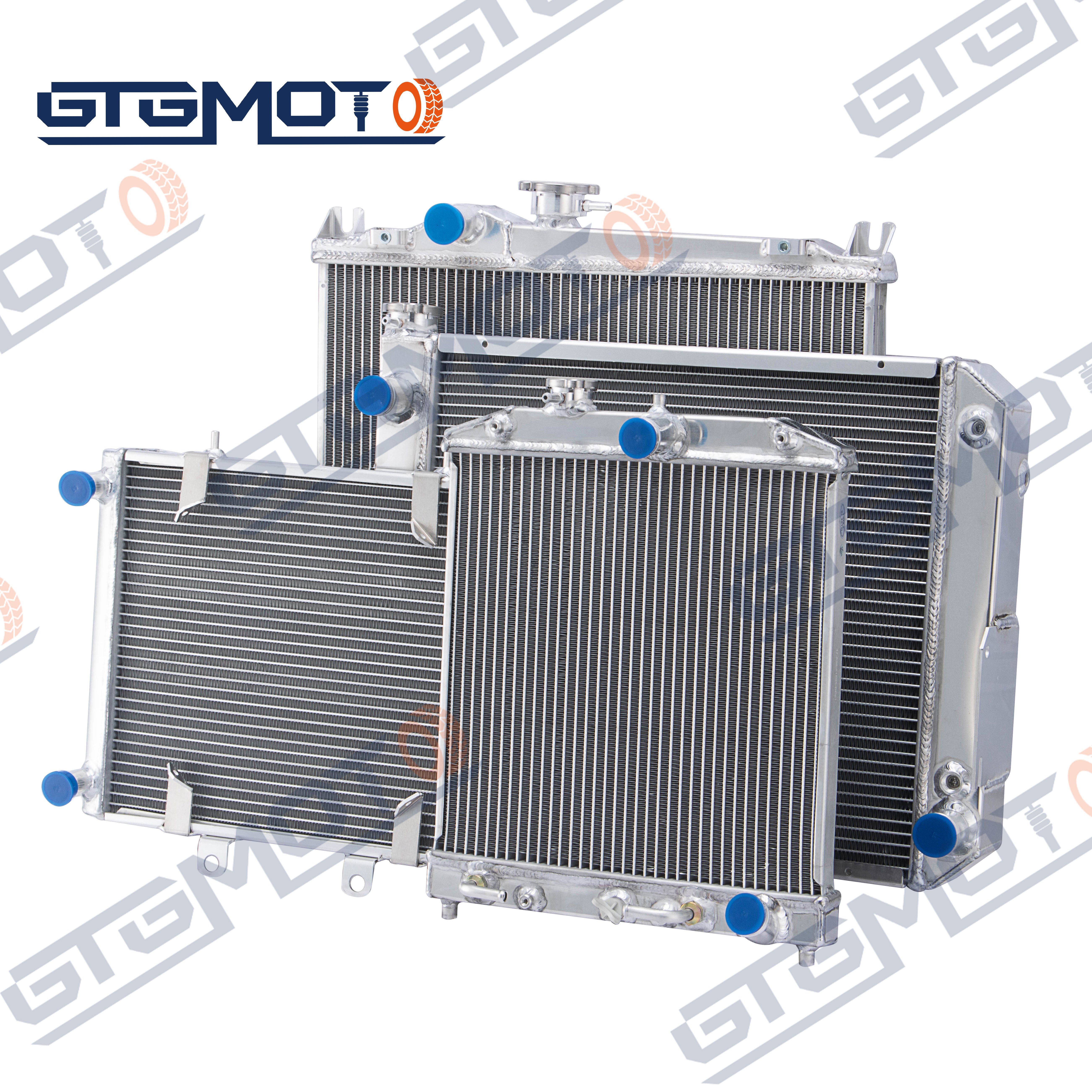
When operating John Deere heavy duty radiator systems in demanding agricultural and industrial environments, material selection becomes one of the most critical factors determining performance longevity and reliability. The choice of materials directly influences heat transfer efficiency, corrosion resistance, and overall system durability under extreme temperature fluctuations and contaminant exposure. Understanding which materials deliver superior performance in John Deere heavy duty radiator applications helps equipment operators and maintenance professionals make informed decisions about upgrades and replacements.
A John Deere heavy duty radiator operates under substantial thermal and mechanical stress, requiring materials engineered for exceptional performance. Modern radiators face challenges including high-pressure coolant flow, extended operating hours at peak temperatures, and exposure to contaminants and mineral deposits. Material composition determines whether a radiator maintains peak cooling capacity throughout its service life or experiences gradual performance degradation, leading to engine overheating and potential mechanical failure.
Aluminum Core Technology and Heat Transfer Performance
Advantages of Aluminum Construction
Aluminum serves as the primary material for modern John Deere heavy duty radiator cores due to its exceptional thermal conductivity and lightweight properties. Unlike older brass and copper designs, aluminum transfers heat approximately 30 percent more efficiently, allowing engines to maintain optimal operating temperatures even during sustained heavy-load operations. The material's inherent advantages extend beyond thermal performance; aluminum cores resist corrosion in most agricultural applications and facilitate designs that pack more surface area into compact spaces, maximizing cooling capacity.
The aluminum used in premium John Deere heavy duty radiator cores undergoes specialized manufacturing processes that enhance durability. Manufacturers apply protective coating systems and employ high-quality alloys specifically selected for resistance to coolant degradation and mineral accumulation. This combination of advanced materials and manufacturing techniques ensures that aluminum radiators perform reliably across thousands of operating hours in challenging field conditions.
Durability Enhancement Through Alloy Selection
Not all aluminum alloys perform equally in heavy-duty cooling applications. The aluminum alloys selected for John Deere heavy duty radiator materials must withstand continuous thermal cycling and maintain structural integrity under pressure. Premium radiators employ 3003 and 3104 aluminum alloys, which offer superior corrosion resistance and mechanical strength compared to standard commercial grades. These specialized alloys prevent the pitting and stress cracking that can develop in lower-grade aluminum under extreme operating conditions.
Tank and Header Material Solutions
Plastic Composite Technology
Modern John Deere heavy duty radiator tanks increasingly feature engineered plastic materials rather than traditional metal construction. These composite materials provide significant advantages including improved corrosion immunity, lower manufacturing costs, and design flexibility that accommodates mounting hardware and connection points. High-performance plastics used in radiator tanks withstand prolonged exposure to hot coolant while maintaining structural rigidity, preventing leaks and ensuring long-term reliability.
The plastic composites integrated into John Deere heavy duty radiator systems undergo rigorous testing to ensure compatibility with modern coolant formulations and additives. Manufacturers select thermoplastic materials that resist thermal degradation even when exposed to coolant temperatures exceeding 100 degrees Celsius. The combination of plastic tanks with aluminum cores creates a balanced solution that optimizes both thermal performance and material durability.
Metal Tank Alternatives
In certain heavy-duty applications, John Deere heavy duty radiator designs incorporate aluminum or copper-brass tanks alongside aluminum cores. Metal tank construction provides exceptional durability in extremely harsh environments where plastic composites may face thermal or chemical challenges. Copper-brass tanks, while heavier and more expensive than modern plastic solutions, deliver superior corrosion resistance and maintain structural integrity through multiple decades of operation in challenging industrial conditions.
Coolant System Materials and Compatibility
Internal Protective Coatings
The interior surfaces of John Deere heavy duty radiator cores require protective coatings to prevent internal corrosion and scale buildup that degrades heat transfer efficiency. Modern radiators incorporate epoxy or silicate-based internal coatings that create barriers between aluminum surfaces and coolant chemistry. These protective measures significantly extend radiator lifespan by preventing the aluminum degradation and internal blockages that commonly occur in uncoated systems operating under continuous high-temperature cycles.
Material compatibility between radiator construction and coolant additives directly impacts John Deere heavy duty radiator durability. Premium cooling systems employ coolant formulations specifically engineered to work synergistically with aluminum cores and protective coatings. The interaction between material surfaces and coolant chemistry determines whether corrosion inhibitors function effectively or precipitate, creating blockages and reducing cooling capacity over time.
Sealant and Gasket Considerations
Connection points and seals in a John Deere heavy duty radiator require materials that maintain integrity under thermal expansion and contraction cycles. Nitrile and EPDM rubber compounds serve as standard gasket materials, providing reliable sealing across thousands of thermal cycles without hardening or shrinking. Premium radiator designs employ elastomer materials specifically compounded for extended temperature ranges, ensuring consistent sealing performance throughout the radiator's operational lifespan regardless of seasonal temperature variations.
Field Performance Indicators and Material Selection
Recognizing Durability Advantages
Equipment operators and technicians can identify superior John Deere heavy duty radiator materials through observable performance characteristics. Radiators constructed with high-quality aluminum alloys and protected internal surfaces maintain consistent cooling capacity without performance degradation even after multiple seasons of continuous operation. Superior materials demonstrate resistance to fin corrosion visible on radiator surfaces and prevent the internal buildup that reduces coolant flow and causes temperature fluctuations.
Material quality directly translates to reduced maintenance intervals and extended service life. John Deere heavy duty radiator systems built from premium materials require less frequent coolant flushing and demonstrate superior resistance to deposits that accumulate in agricultural environments. The investment in superior materials pays dividends through reduced downtime, extended radiator lifespan, and improved engine reliability across demanding applications.
FAQ
What materials most commonly appear in modern John Deere heavy duty radiator cores?
Modern John Deere heavy duty radiator materials primarily utilize aluminum alloys for core construction due to superior thermal conductivity, lightweight properties, and excellent heat transfer capabilities. Manufacturers combine these aluminum cores with plastic composite tanks or metal tanks depending on application requirements. Internal protective coatings enhance durability by preventing corrosion and scale buildup that degrades cooling performance in harsh agricultural environments.
How do internal protective coatings improve John Deere heavy duty radiator durability?
Internal protective coatings create barriers between aluminum core surfaces and coolant chemistry, preventing the corrosion and degradation that occurs in uncoated radiator systems. These epoxy or silicate-based coatings significantly extend service life by maintaining heat transfer efficiency and preventing internal blockages caused by corrosion byproducts. The coating systems work synergistically with coolant additives to maintain material integrity across thousands of operating hours in high-temperature conditions.
Why should operators choose premium materials when replacing their John Deere heavy duty radiator?
Premium John Deere heavy duty radiator materials deliver extended service life, superior thermal performance, and reduced maintenance requirements compared to lower-grade alternatives. High-quality aluminum alloys resist corrosion and stress cracking while maintaining structural integrity under continuous thermal cycling. The initial investment in superior materials translates to fewer radiator replacements, reduced downtime, and improved engine reliability throughout the equipment's operational lifespan.