
 EN
EN
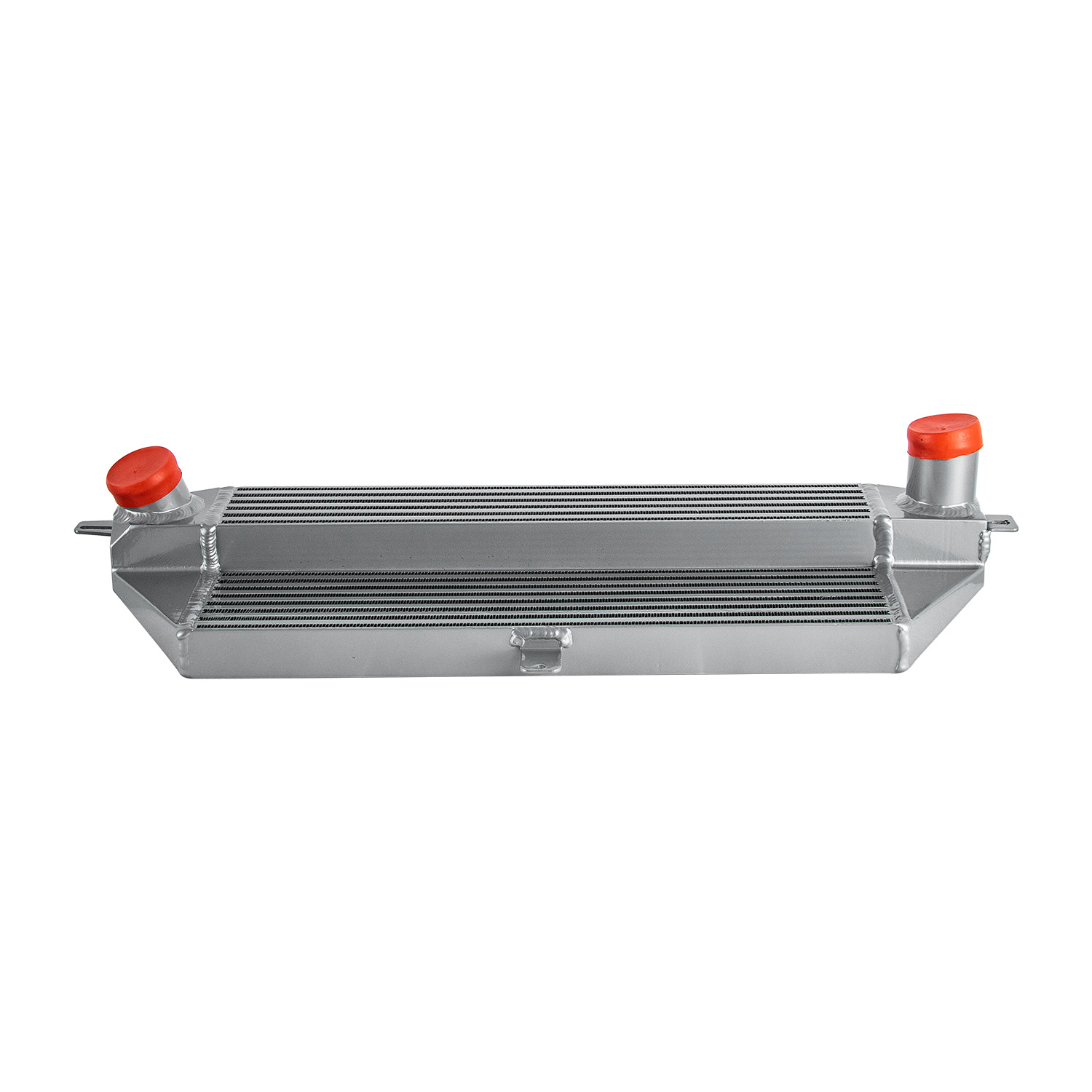
Heavy duty farming and industrial equipment demands reliable thermal management systems to maintain optimal engine performance. Understanding the cooling capacity standards that apply to John Deere radiators is essential for equipment operators, maintenance technicians, and procurement specialists who need to ensure their machinery runs efficiently in demanding conditions. John Deere radiators are engineered to meet rigorous cooling standards that balance heat dissipation, durability, and operational reliability across various equipment models and workload scenarios.
The cooling capacity standards for John Deere radiators encompass thermal output ratings, pressure tolerances, flow rates, and material specifications designed to handle the extreme heat generated during intensive agricultural and industrial operations. These standards ensure that radiators maintain engine temperature within safe operating ranges, prevent overheating, and extend equipment longevity. Whether you operate compact utility tractors or large horsepower machines, knowing these standards helps you select, maintain, and troubleshoot cooling system performance effectively.
Thermal Output Ratings and BTU Standards
Understanding BTU Capacity Measurements
John Deere radiators are rated by their thermal dissipation capacity, typically measured in British Thermal Units per hour (BTU/hr). This metric represents the amount of heat energy the radiator can remove from the engine coolant under standard operating conditions. The John Deere radiator cooling capacity varies significantly based on equipment class, engine displacement, and intended application. Compact utility models may operate in the 15,000 to 25,000 BTU/hr range, while heavy duty agricultural and industrial radiators can exceed 100,000 BTU/hr, particularly in forestry and construction equipment.
Matching Capacity to Engine Output
Thermal capacity standards are directly proportional to engine horsepower and operating load. John Deere radiator cooling capacity must exceed the total heat rejection of the engine under full load conditions, typically representing 30 to 35 percent of the fuel energy input. A radiator undersized for its engine will result in chronic overheating, reduced performance, and accelerated component wear. Conversely, oversized radiators waste material and add unnecessary weight without proportional performance gains. John Deere engineers calculate cooling requirements based on ambient temperature conditions, load profiles, and duty cycles to establish appropriate thermal ratings for each equipment model.
Pressure Ratings and System Specifications
Radiator Cap Pressure Standards
John Deere radiators operate under pressurized cooling systems where cap pressure ratings typically range from 12 to 16 PSI for agricultural equipment. This pressurization elevates the boiling point of coolant, allowing engines to operate at higher temperatures while maintaining liquid state stability. The John Deere radiator cooling capacity performance is directly influenced by system pressure, as higher pressures improve heat transfer efficiency by promoting better coolant circulation and reducing cavitation. Radiator pressure relief valves are calibrated to specific standards to prevent overpressurization, which could damage seals, hoses, and core structures.
Coolant Flow Rate Requirements
Effective cooling depends not only on radiator surface area but also on coolant circulation velocity through the core. John Deere radiators are designed to accommodate specific flow rates measured in gallons per minute (GPM), typically ranging from 40 to 200 GPM depending on equipment size. Water pump displacement, belt drive ratios, and engine speed determine actual flow rates. Radiator core design specifications, including tube diameter, fin density, and internal passages, are engineered to optimize heat transfer at these intended flow rates. Insufficient flow reduces cooling efficiency, while excessive flow may reduce contact time for heat exchange.
Material Standards and Core Design Specifications
Aluminum and Copper-Brass Construction
John Deere radiators utilize aluminum or copper-brass core construction, each meeting distinct performance and durability standards. Aluminum cores offer superior thermal conductivity and lightweight characteristics, making them ideal for modern equipment designs. Copper-brass radiators provide excellent corrosion resistance and historical compatibility with legacy John Deere equipment. The John Deere radiator cooling capacity is enhanced through optimized fin geometry, tube wall thickness, and solder joint specifications that ensure structural integrity under pressure cycling and thermal stress. Material purity standards and alloy compositions comply with industry specifications to guarantee performance consistency across production batches.
Core Density and Fin Configuration
Radiator core density is specified in fins per inch (FPI), typically ranging from 8 to 12 FPI in John Deere heavy duty applications. Higher fin density increases surface area available for heat transfer but creates greater resistance to coolant flow and potential fouling from dust and debris. John Deere engineers balance these factors by selecting fin densities appropriate to each equipment's environment and maintenance capabilities. Fin thickness, materials, and bonding methods follow strict specifications to ensure durability during vibration cycles and high-temperature operation. The overall core matrix structure determines how effectively the radiator dissipates heat while maintaining structural rigidity and pressure containment.
Performance Standards Under Operating Conditions
Temperature Rise Specifications
John Deere radiator cooling capacity standards define acceptable temperature rise across the radiator, typically limited to 10 to 15 degrees Fahrenheit under full load operation. This measurement represents the difference between coolant inlet and outlet temperatures and directly reflects the radiator's ability to absorb and reject engine heat. Temperature rise specifications are validated through standardized testing procedures that simulate field operating conditions. Excessive temperature rise indicates inadequate cooling capacity, potential core blockage, or airflow restrictions at the radiator face. Maintaining these standards prevents engine thermostat modulation issues and ensures consistent long-term performance.
Fan Efficiency and Airflow Requirements
Radiator performance standards include specifications for engine fan design, shrouding, and airflow velocity across the core matrix. John Deere radiators are designed to operate with prescribed fan CFM (cubic feet per minute) outputs at specific engine RPM levels. Proper airflow distribution, controlled by shroud design and blade geometry, ensures maximum cooling efficiency across the entire radiator surface. Fan belt tension, pulley ratios, and viscous fan clutch settings are calibrated to deliver appropriate airflow volumes under various ambient temperatures and load conditions. Substandard fan performance directly undermines radiator capacity utilization, leading to inadequate heat rejection despite properly sized radiator cores.
FAQ
What is the typical John Deere radiator cooling capacity for mid-range tractors?
Mid-range John Deere tractors typically feature radiators rated between 40,000 and 60,000 BTU/hr, depending on engine displacement and horsepower. These cooling capacity ratings balance thermal requirements with weight and space constraints on utility equipment. Specific models like the 6000 and 7000 series have documented thermal specifications published in technical service manuals that outline exact radiator capacity for each configuration.
How do ambient temperature conditions affect John Deere radiator cooling capacity performance?
Ambient temperature directly impacts radiator heat rejection efficiency, with cooling capacity declining as air temperature rises. John Deere radiator cooling capacity is typically rated at 85 degrees Fahrenheit ambient conditions and decreases proportionally at higher temperatures. In hot climates or during summer operation, the same physical radiator provides less actual cooling capacity, potentially necessitating oversized cores or enhanced fan systems to maintain safe engine temperatures.
When should a John Deere radiator be replaced due to cooling capacity degradation?
A John Deere radiator should be replaced when actual cooling capacity falls below 85 to 90 percent of original specifications due to internal fouling, core corrosion, or fin damage. Persistent engine overheating despite proper coolant levels, functioning thermostat, and adequate fan operation indicates compromised radiator capacity. Professional cooling system pressure testing and thermal imaging can objectively measure whether a radiator maintains its original cooling capacity standards.