
 EN
EN
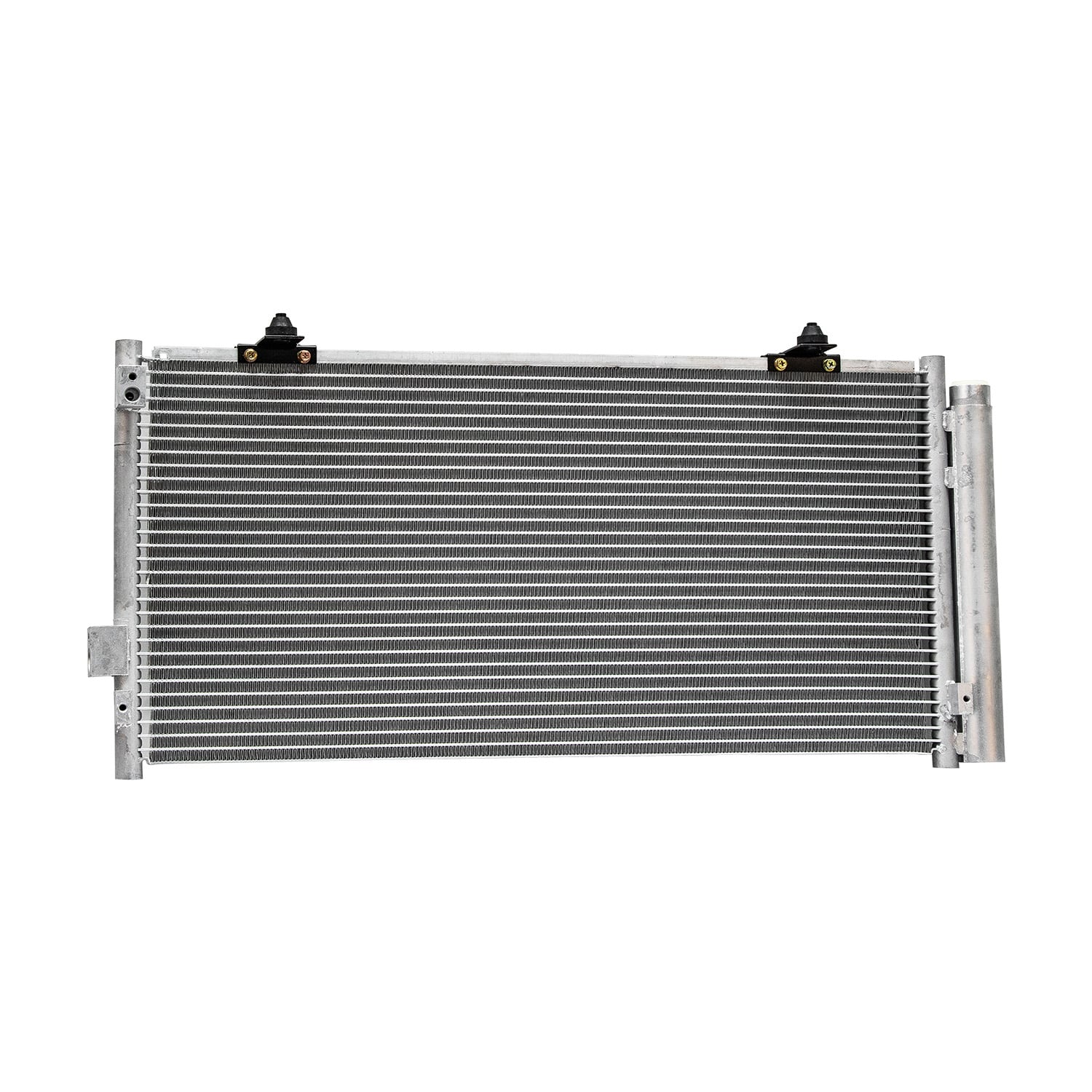
Heavy duty radiators designed for John Deere equipment must undergo rigorous factory testing to ensure reliable performance in demanding agricultural and industrial environments. John Deere radiator testing represents a critical quality control process that validates cooling system integrity, pressure resistance, and thermal efficiency before units reach customers. Manufacturing facilities implement comprehensive test protocols that simulate real-world operating conditions, ensuring every radiator meets stringent performance and durability standards.
The testing methodology for heavy duty radiators involves multiple evaluation stages, from initial component inspection through final performance validation. Factories utilize advanced equipment and standardized procedures to detect defects, verify dimensional accuracy, and confirm that radiator cores deliver the cooling capacity required for John Deere tractors, excavators, and other heavy equipment. Understanding these testing processes helps equipment owners appreciate the engineering rigor behind quality radiator components and make informed purchasing decisions.
Pressure and Leak Testing Protocols
Hydrostatic Pressure Testing
Hydrostatic pressure testing forms the foundation of John Deere radiator testing procedures. Technicians fill radiators with water or specialized test fluid and pressurize them to levels exceeding normal operating conditions, typically ranging from 25 to 40 PSI depending on radiator design specifications. This pressure test forces any microscopic leaks, manufacturing defects, or material weaknesses to reveal themselves immediately. Factory operators monitor pressure retention over several minutes; any significant pressure drop indicates a potential failure point requiring component rejection or rework.
Thermal Cycling and Stress Testing
Beyond static pressure validation, heavy duty radiator testing includes thermal cycling procedures that expose components to repeated temperature fluctuations. Factories heat radiators to operating temperatures, cool them rapidly, then repeat the cycle multiple times to simulate seasonal variations and daily operational stress. This thermal cycling reveals solder joint integrity, tank bond strength, and material fatigue resistance. Testing technicians monitor for coolant leakage, structural distortion, and performance degradation throughout the thermal cycling sequence, ensuring radiators maintain functionality across extreme temperature ranges.
Cooling Performance and Flow Rate Evaluation
Flow Rate Measurement
Factories assess heavy duty radiators through controlled flow rate testing that measures how efficiently coolant moves through core passages. Testing equipment circulates coolant at standardized temperatures and pressures while monitoring volumetric flow rates, typically measured in gallons per minute. John Deere radiator testing standards specify minimum flow requirements that ensure adequate cooling capacity for engine displacement and power output. Radiators failing to meet flow rate specifications cannot deliver sufficient heat dissipation, leading to engine overheating and potential operational failure.
Heat Rejection Capacity Testing
Advanced test facilities determine radiator heat rejection capacity by measuring temperature differentials between coolant inlet and outlet while maintaining controlled flow rates and ambient conditions. Engineers calculate BTU rejection rates—the actual amount of engine heat removed per unit time—and compare results against John Deere engineering specifications. This heavy duty radiator testing methodology ensures cooling systems can handle peak engine heat loads during maximum power output and demanding work conditions. Radiators must consistently achieve minimum heat rejection targets to qualify for John Deere equipment compatibility.
Visual Inspection and Dimensional Verification
Component Quality Assessment
Factory quality control personnel conduct detailed visual inspections of radiator cores, tanks, and mounting brackets before and after performance testing. Technicians examine solder joints and brazed connections for cracks, voids, or contamination that could compromise coolant containment. John Deere radiator testing protocols include magnification equipment and ultrasonic inspection tools to detect subsurface defects invisible to naked eye examination. Any radiators displaying compromised welds, casting porosity, or material damage receive rejection, ensuring only flawless components proceed to field installation.
Dimensional and Fit Testing
Heavy duty radiator testing includes precision dimensional verification to confirm radiators fit correctly within John Deere equipment mounting locations. Factory technicians measure core height, width, thickness, and tank attachment points against engineering blueprints using calibrated gauges. Radiators must match original equipment specifications precisely to ensure proper fit, avoid interference with engine components, and maintain correct coolant circulation paths. Fit testing also verifies mounting bracket positioning and hose connection port alignment, preventing installation complications and ensuring sealed system integrity.
FAQ
Why do factories subject radiators to multiple testing procedures?
Multiple testing procedures ensure comprehensive quality validation across different failure modes. Heavy duty radiator testing uses pressure testing to detect structural weaknesses, thermal cycling to reveal fatigue vulnerabilities, flow rate testing to confirm cooling capacity, and visual inspection to identify manufacturing defects. No single test captures all potential failure mechanisms, so factories employ layered testing strategies that address pressure integrity, thermal performance, cooling efficiency, and component quality simultaneously, reducing the risk of field failures.
How does John Deere radiator testing differ from standard passenger vehicle testing?
Heavy duty radiator testing applies more stringent pressure and temperature requirements because agricultural and industrial equipment operates under harsher conditions than passenger vehicles. John Deere tractors and earthmoving machines endure extreme ambient temperatures, extended continuous operation, and challenging work environments that demand superior cooling performance and durability. Testing procedures implement higher pressure thresholds, longer thermal cycling sequences, and more rigorous performance standards to ensure radiators withstand the demanding operational profiles of heavy equipment.
What happens when a radiator fails factory testing?
Radiators failing factory testing procedures are removed from production and either reworked or scrapped depending on defect severity. John Deere radiator testing results trigger corrective actions at manufacturing plants, including defect investigation, process adjustments, and component revalidation. Manufacturers analyze failure patterns to identify root causes, implement preventive measures, and strengthen production controls to minimize future defects. Only radiators successfully passing all testing protocols receive clearance for packaging and distribution to equipment dealers and customers.