
 EN
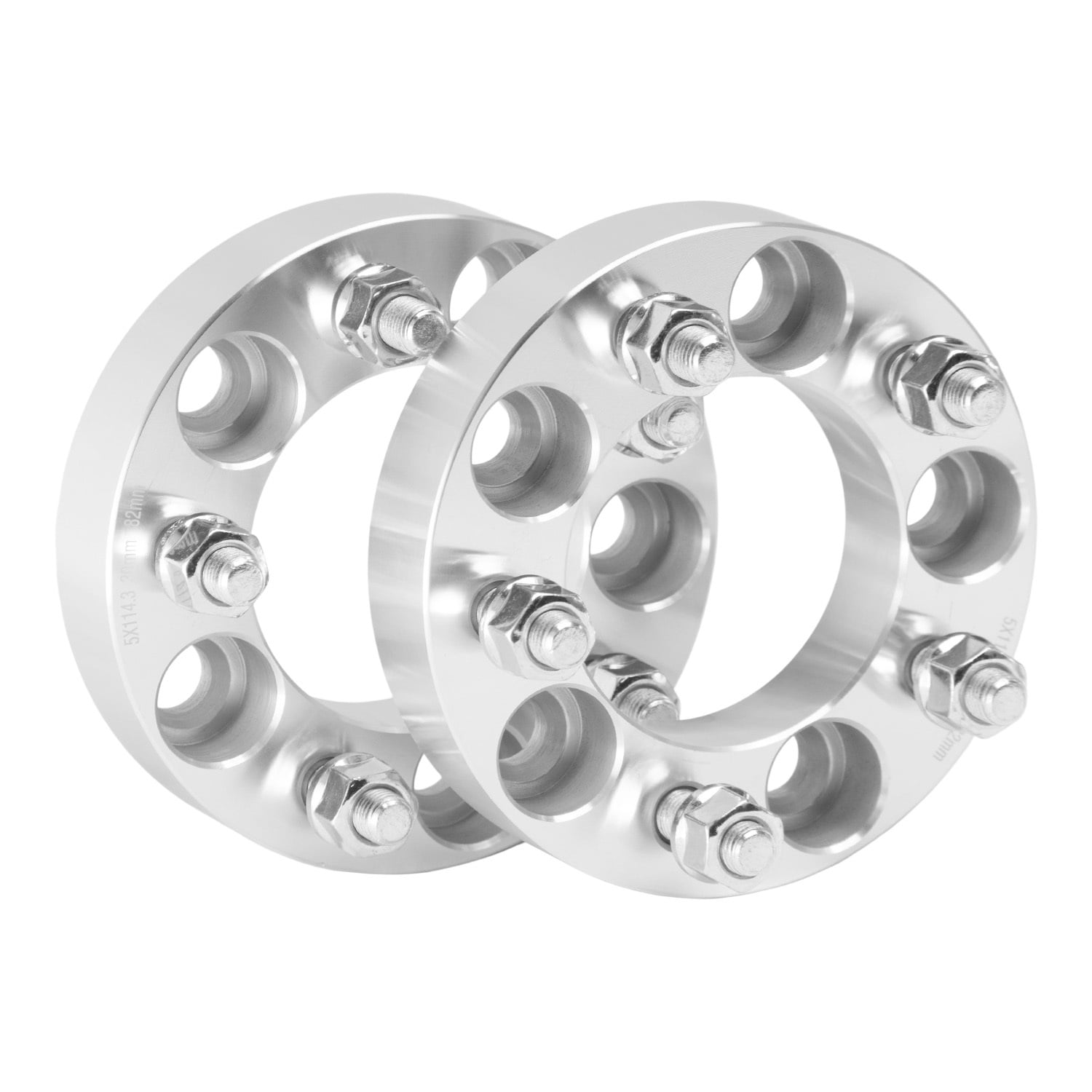
OEM buyers face significant complexity when evaluating wheel spacers for bulk sourcing decisions. The process extends far beyond simple specification matching, requiring careful assessment of supplier capabilities, manufacturing consistency, fitment accuracy, and long-term reliability. Understanding how professional OEM procurement teams approach wheel spacers bulk sourcing selection can dramatically improve sourcing outcomes and reduce costly production delays. This guide explores the critical evaluation framework that distinguishes reliable suppliers from inconsistent ones.
When considering wheel spacers bulk sourcing, OEM procurement teams must establish a multi-layered evaluation strategy that addresses engineering specifications, manufacturing precision, supplier stability, and cost structure. The stakes are high because wheel spacers directly impact vehicle handling, safety, and customer satisfaction. A single production batch with dimensional inconsistencies or material defects can cascade into warranty claims, recalls, or brand reputation damage. This is why experienced OEM buyers invest significant effort in rigorous evaluation processes before committing to large-volume wheel spacers bulk sourcing agreements.
Quality Specifications and Dimensional Tolerance Assessment
Understanding Critical Dimensions for Wheel Spacers Bulk Sourcing
OEM buyers evaluate wheel spacers bulk sourcing by beginning with precise dimensional requirements. The bolt pattern, center bore diameter, and spacing thickness must meet exact specifications because even minor deviations create dangerous fitment issues. A wheel spacer measuring 19.9 millimeters instead of the required 20 millimeters may seem trivial, but such variations compound across thousands of units and lead to installation failures in the field. Professional wheel spacers bulk sourcing evaluations require suppliers to provide certified dimension reports for sample batches, verified through coordinate measuring machines and validated against vehicle engineering drawings.
Material Grade and Metallurgical Verification
When pursuing wheel spacers bulk sourcing, OEM procurement teams must confirm material composition through third-party testing. Aluminum alloy wheel spacers bulk sourcing requires verification of aluminum grade designation, tensile strength, and hardness specifications. Suppliers should provide mill certificates, chemistry reports, and mechanical property data for the specific material lot used in production. Steel-based wheel spacers bulk sourcing demands similar documentation showing yield strength, fatigue resistance, and corrosion protection measures. Metallurgical inconsistency across production runs is a common failure mode that compromises the safety and durability expectations embedded in wheel spacers bulk sourcing contracts.
Supplier Capability and Manufacturing Process Evaluation
Production Equipment and Process Control Systems
OEM buyers conducting wheel spacers bulk sourcing assessments must inspect the supplier's manufacturing facilities and process documentation. Computer numerically controlled machines used for wheel spacers bulk sourcing should demonstrate consistent repeatability across production runs, typically with capability indices exceeding 1.33 or higher. Statistical process control systems, first-piece inspection records, and in-process monitoring data reveal whether the supplier maintains discipline around wheel spacers bulk sourcing quality standards. Facilities lacking statistical process control or relying on manual inspection show elevated risk for wheel spacers bulk sourcing batches containing drift or systematic dimensional errors that escape random sampling.
Quality Management System Certification and Audit History
Reliable wheel spacers bulk sourcing suppliers maintain ISO 9001 certification or equivalent quality management frameworks. OEM procurement teams should review recent audit reports, corrective action histories, and any compliance observations relevant to wheel spacers bulk sourcing processes. A supplier with a strong quality certification but poor track record on wheel spacers bulk sourcing corrective actions signals inconsistency between documented procedures and actual production discipline. Independent third-party audits of manufacturing facilities engaged in wheel spacers bulk sourcing provide objective verification of compliance claims and operational maturity.
Performance Testing and Risk Mitigation Strategies
Sample Testing and Prototype Validation Protocols
Professional OEM buyers never commit to wheel spacers bulk sourcing without conducting comprehensive sample testing. Initial samples from proposed wheel spacers bulk sourcing suppliers must pass dimensional verification, torque testing, and accelerated fatigue cycling under simulated vehicle conditions. Testing wheel spacers bulk sourcing samples on actual vehicle models confirms fitment compatibility and identifies potential clearance or vibration issues before production begins. Destructive testing on a statistical sample from early wheel spacers bulk sourcing production runs validates that material properties and manufacturing processes deliver expected performance under worst-case conditions.
Long-Term Supply Agreement Protection and Escalation Procedures
When negotiating wheel spacers bulk sourcing contracts, OEM teams build in quality clauses, acceptance sampling plans, and supplier performance metrics. Agreements for wheel spacers bulk sourcing should specify acceptable quality levels, document inspection procedures, and establish clear procedures for rejecting non-conforming batches. Progressive supplier development within wheel spacers bulk sourcing relationships includes performance dashboards, continuous improvement targets, and periodic reassessment of supplier capabilities. Experienced buyers recognize that wheel spacers bulk sourcing quality remains dynamic, requiring ongoing vigilance rather than one-time qualification.
Cost Analysis and Total Acquisition Value
Balancing Price Competitiveness with Quality Assurance Requirements
OEM procurement teams evaluating wheel spacers bulk sourcing must resist focusing exclusively on unit cost. The lowest-priced wheel spacers bulk sourcing supplier often carries hidden costs including higher defect rates, increased inspection labor, and warranty exposure. Total acquisition cost for wheel spacers bulk sourcing includes material cost, quality assurance overhead, logistics complexity, and risk premium for supplier instability. Suppliers offering competitive pricing for wheel spacers bulk sourcing while maintaining robust quality systems typically demonstrate superior long-term value compared to discount providers lacking process discipline.
Volume Commitments and Pricing Stability in Wheel Spacers Bulk Sourcing
Successful wheel spacers bulk sourcing negotiations establish volume commitments that provide suppliers with production predictability while securing favorable pricing for OEM buyers. Multi-year wheel spacers bulk sourcing agreements often include price escalation clauses tied to material commodity indices rather than supplier discretion. Flexible volume forecasting in wheel spacers bulk sourcing contracts allows OEM buyers to adjust quantities based on market demand while maintaining supplier commitment to quality standards. Transparent cost structure discussions reveal where wheel spacers bulk sourcing suppliers derive margin and identify opportunities for mutually beneficial cost reduction without compromising safety or reliability.
FAQ
What are the most common quality issues discovered during wheel spacers bulk sourcing supplier evaluation?
The most frequent wheel spacers bulk sourcing quality issues include dimensional drift outside specification tolerances, inconsistent material composition across batches, inadequate surface finish or corrosion protection, and improper threading or bolt hole concentricity. Many suppliers struggle with wheel spacers bulk sourcing process repeatability during scaling from prototype to production volumes, causing acceptance rate deterioration. Poor documentation and traceability in wheel spacers bulk sourcing production make it difficult to identify root causes when defects emerge, increasing risk exposure for OEM buyers.
How should OEM buyers structure acceptance sampling plans for wheel spacers bulk sourcing batches?
OEM procurement teams typically implement ANSI/ASQ Z1.4 sampling standards for wheel spacers bulk sourcing inspections, selecting appropriate acceptance quality levels based on criticality and historical supplier performance. Early wheel spacers bulk sourcing batches warrant tighter sampling with lower acceptable quality levels, progressively relaxing as suppliers demonstrate sustained compliance. Destructive testing should be included in wheel spacers bulk sourcing sampling plans for safety-critical characteristics, with predetermined batch rejection thresholds. Documented sampling results and traceability data create audit trails that protect OEM buyers if wheel spacers bulk sourcing quality disputes arise.
How often should OEM buyers reassess suppliers providing wheel spacers bulk sourcing?
OEM buyers conducting wheel spacers bulk sourcing operations should conduct formal supplier reassessment annually, with additional audits triggered by quality incidents, process changes, or personnel transitions at supplier facilities. Quarterly performance reviews of wheel spacers bulk sourcing metrics including defect rates, on-time delivery, and responsiveness to corrective actions maintain visibility into supplier health. Periodic plant visits to wheel spacers bulk sourcing suppliers reinforce quality expectations and surface emerging operational risks before they impact production. Continuous monitoring of wheel spacers bulk sourcing supplier capability prevents complacency and ensures sustained alignment with OEM quality standards.