
 EN
Selecting the right supplier of heavy duty radiators for John Deere equipment requires more than a quick price comparison. Buyers must evaluate multiple dimensions of heavy duty radiators for John Deere, including thermal performance, durability standards, warranty coverage, and long-term support. The heavy duty radiators for John Deere market includes numerous vendors, each with different manufacturing processes, quality controls, and service commitments. Understanding how to systematically compare suppliers of heavy duty radiators for John Deere can save significant maintenance costs and prevent unexpected downtime in critical farming or industrial operations.
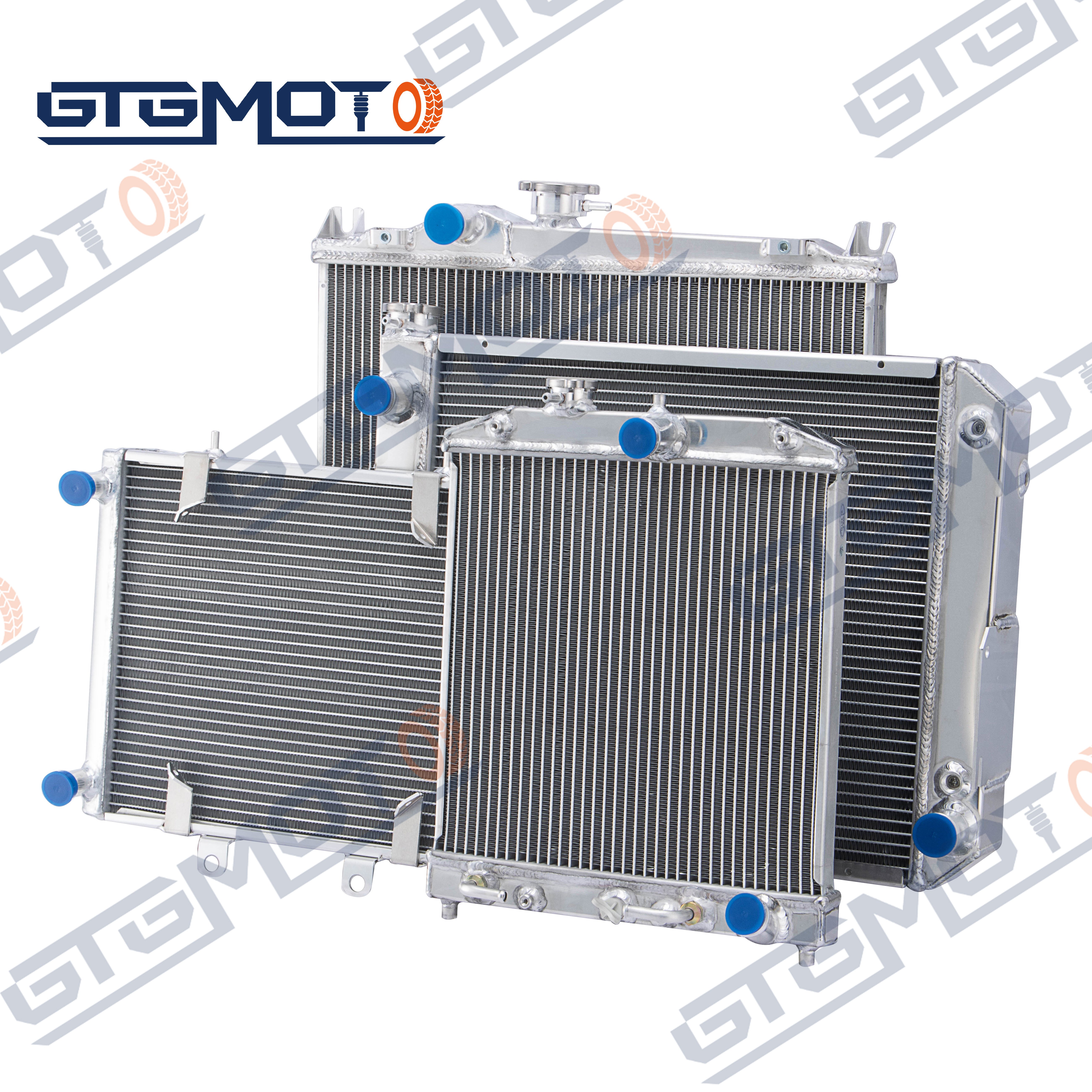
Heavy duty radiators for John Deere are engineered to withstand continuous high-temperature exposure, pressure cycling, and demanding field conditions. Suppliers vary significantly in their approach to material selection, core design, and quality assurance protocols for heavy duty radiators for John Deere. Professional buyers understand that the lowest price does not guarantee the best value when investing in heavy duty radiators for John Deere, especially for equipment that operates year-round or under intensive conditions. This guide walks you through the key evaluation criteria for identifying trusted suppliers of heavy duty radiators for John Deere.
Thermal Performance and Engineering Standards
Heat Dissipation Capacity and Core Design
Thermal capacity is the primary function of any heavy duty radiators for John Deere installation. Supplier specifications should clearly document the BTU cooling capacity and heat dissipation rate under both standard and peak operating conditions. Quality suppliers of heavy duty radiators for John Deere provide detailed engineering data on core materials, fin density, and flow rates that directly influence cooling efficiency. Compare heavy duty radiators for John Deere by requesting performance curves that show cooling output across a range of operating temperatures and engine RPMs. Suppliers who provide transparent thermal testing data demonstrate confidence in their heavy duty radiators for John Deere design.
Compatibility and OEM Standards Alignment
Heavy duty radiators for John Deere must meet or exceed original equipment manufacturer specifications for your specific model and year. Legitimate suppliers of heavy duty radiators for John Deere cross-reference John Deere technical documentation to ensure fitment accuracy, hose connections, mounting brackets, and electrical compatibility. Verify that the supplier's heavy duty radiators for John Deere carry appropriate certifications or engineering validation from recognized standards bodies. Ask suppliers whether their heavy duty radiators for John Deere have been tested in actual John Deere equipment under field conditions, not just in laboratory environments. This validation provides critical assurance before committing to an expensive radiator replacement.
Material Quality and Manufacturing Consistency
Core Materials and Corrosion Resistance
Heavy duty radiators for John Deere are typically constructed from aluminum cores with brass or copper tanks to balance weight and thermal performance. Suppliers of heavy duty radiators for John Deere should clearly specify material grades and corrosion inhibitors used in their coolant formulations. Industrial-grade heavy duty radiators for John Deere require protective coatings and sealed construction to prevent sediment accumulation and internal corrosion over time. Compare suppliers by asking about their material sourcing, whether they use virgin or recycled aluminum in their heavy duty radiators for John Deere, and what accelerated corrosion testing they conduct. Extended-life coolant compatibility is another critical factor; suppliers should confirm that their heavy duty radiators for John Deere work safely with both conventional and extended-life antifreeze formulations.
Welding and Structural Integrity
The quality of seams and welds directly impacts the reliability and lifespan of heavy duty radiators for John Deere. Premium suppliers use automated welding processes and pressure-test every unit of heavy duty radiators for John Deere at pressures exceeding normal operating limits. Request information about defect rates and quality control metrics from suppliers of heavy duty radiators for John Deere; transparent vendors will share statistical process control data. Heavy duty radiators for John Deere from reputable suppliers undergo hydrostatic or pneumatic testing to verify structural integrity before shipment. Cheaper suppliers sometimes skip these validation steps, which increases the risk of premature failure in critical equipment.
Warranty, Support, and Total Cost of Ownership
Warranty Coverage and Claims Process
Warranty terms reveal a supplier's confidence in their heavy duty radiators for John Deere. Most quality suppliers offer 12- to 24-month warranties on heavy duty radiators for John Deere, covering manufacturing defects under normal use conditions. Compare heavy duty radiators for John Deere warranties carefully; some suppliers exclude labor, shipping, or indirect losses, while others provide comprehensive coverage. Ask each supplier of heavy duty radiators for John Deere about their warranty claims process, typical resolution timeframes, and whether replacements are shipped immediately or after investigation. Suppliers who stand behind their heavy duty radiators for John Deere with hassle-free replacement policies demonstrate genuine product confidence.
Technical Support and Long-Term Availability
Responsive technical support is essential when comparing suppliers of heavy duty radiators for John Deere. Leading suppliers maintain product documentation, troubleshooting guides, and expert staff who can answer installation questions about heavy duty radiators for John Deere within business hours. Evaluate whether suppliers stock replacement heavy duty radiators for John Deere locally or can expedite shipping during peak seasons when equipment breakdowns occur. Long-term supplier stability matters significantly; if a supplier discontinues their heavy duty radiators for John Deere line, you may face difficulties obtaining compatible replacements years later. Request references from other industrial or agricultural operations that have purchased heavy duty radiators for John Deere from each candidate supplier.
Pricing Models and Value Assessment
Unit Price and Volume Discounting
Pricing for heavy duty radiators for John Deere varies based on core design, capacity, and supplier production scale. Request detailed quotes that itemize component costs, shipping, taxes, and any additional charges when comparing heavy duty radiators for John Deere. Suppliers offering volume discounts on heavy duty radiators for John Deere are worth considering if you maintain a fleet, but ensure the discount does not indicate lower quality specifications. Average pricing for heavy duty radiators for John Deere typically ranges within a predictable market band; prices significantly below or above this band warrant investigation. Factor in lead times, emergency surcharges, and minimum order quantities when calculating true acquisition costs for heavy duty radiators for John Deere.
Hidden Costs and Total Economic Impact
Installation labor, downtime during replacement, and potential repeat failures must factor into your comparison of suppliers of heavy duty radiators for John Deere. A slightly more expensive heavy duty radiators for John Deere that functions reliably for 10 years costs far less than a cheaper unit requiring replacement after three years. Calculate the total cost of ownership by dividing the radiator price plus estimated installation labor by the expected service life for each supplier's heavy duty radiators for John Deere. Suppliers offering extended warranties, free technical support, or expedited replacement shipping may justify higher upfront costs for heavy duty radiators for John Deere when amortized across equipment downtime avoidance. Compare suppliers on economic value, not simply list price, when making purchasing decisions about heavy duty radiators for John Deere.
FAQ
What makes a heavy duty radiator specifically designed for John Deere equipment?
Heavy duty radiators for John Deere are engineered to match the exact cooling capacity, pressure rating, and physical dimensions of specific John Deere engine and tractor models. Suppliers design their heavy duty radiators for John Deere with mounting brackets, hose port locations, and electrical connections that integrate seamlessly into John Deere cooling systems. Original John Deere specifications guide the thermal performance and material specifications that suppliers must meet in their heavy duty radiators for John Deere products.
How can I verify that a supplier's heavy duty radiators for John Deere meet quality standards?
Verify quality by requesting third-party certifications, pressure testing documentation, and thermal performance curves from suppliers of heavy duty radiators for John Deere. Ask whether their heavy duty radiators for John Deere undergo accelerated corrosion testing and whether they comply with relevant industry standards like ASTM or SAE specifications. Check for customer reviews, case studies, or references from operations that have tested the supplier's heavy duty radiators for John Deere in actual equipment.
Should I prioritize price or warranty when comparing suppliers of heavy duty radiators for John Deere?
Balance both factors by calculating total cost of ownership, which includes upfront price, warranty length, expected service life, and potential downtime costs of replacing heavy duty radiators for John Deere prematurely. A supplier offering heavy duty radiators for John Deere at moderate pricing with strong warranty coverage and technical support often delivers superior value compared to the cheapest option with minimal support, especially for equipment in continuous operation.