
 EN
Wheel spacers testing is a critical process that ensures vehicle safety and performance. Factories employ rigorous wheel spacers testing protocols to verify that components meet industry standards and perform reliably under real-world conditions. The wheel spacers testing process involves multiple verification stages, from material analysis to final durability assessment. Understanding how wheel spacers testing works provides insight into the quality and safety standards that protect drivers and passengers.
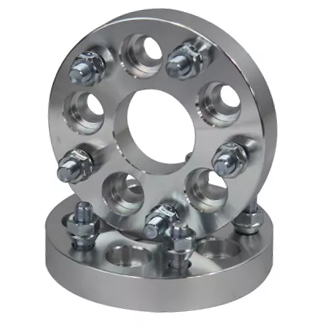
The importance of wheel spacers testing cannot be overstated in automotive manufacturing. Every wheel spacer must withstand significant mechanical stress, thermal variations, and environmental exposure throughout its service life. Factory wheel spacers testing validates that components maintain dimensional accuracy, structural integrity, and safety performance. This comprehensive approach to wheel spacers testing protects end users and ensures compliance with automotive regulations and safety certifications.
Load Testing and Structural Validation
Axial and Radial Load Testing
Wheel spacers testing begins with load-bearing verification. Factories apply controlled axial and radial loads to wheel spacers using specialized hydraulic testing equipment. During wheel spacers testing, technicians gradually increase load values while monitoring structural response and deformation. The load is typically applied to simulate worst-case conditions that the component may experience during vehicle operation, including acceleration, braking, and cornering forces. This wheel spacers testing phase ensures the component does not exceed acceptable deflection limits and maintains its engineered tolerances.
The wheel spacers testing procedure measures how much stress a component can withstand before permanent deformation occurs. Engineers establish a safety margin between the maximum operating load and the failure threshold during wheel spacers testing. Load testing data is recorded throughout the test cycle, creating a detailed performance profile. This wheel spacers testing information helps engineers verify that the design meets or exceeds industry requirements and customer safety expectations.
Cyclic Fatigue and Endurance Testing
Factories conduct wheel spacers testing through repeated load cycling to simulate years of vehicle operation. Cyclic wheel spacers testing applies intermittent stress patterns that mirror real-world driving conditions, including highway cruising, acceleration, and braking scenarios. Over thousands of cycles, wheel spacers testing equipment monitors for crack initiation, material degradation, and progressive damage accumulation. This extended wheel spacers testing phase reveals how components behave under prolonged stress, which is essential for predicting long-term reliability and failure risks.
The wheel spacers testing parameters are calibrated to match vehicle specifications and usage intensity. Engineers adjust test frequency, load magnitude, and cycle duration to reflect the expected service environment. Advanced wheel spacers testing systems generate thousands of test cycles in compressed timeframes, allowing rapid validation of design changes. Through systematic wheel spacers testing, manufacturers identify potential fatigue failure modes before components reach customers.
Dimensional Accuracy and Compliance Verification
Precision Measurement and Tolerance Assessment
Wheel spacers testing includes precise dimensional verification to ensure components fit correctly within vehicle assemblies. Factories use coordinate measuring machines and laser scanning systems during wheel spacers testing to verify bore diameter, thickness, and bolt hole positioning. Every wheel spacers testing measurement is compared against engineering specifications and tolerance bands established during product design. Dimensional wheel spacers testing ensures that each component meets manufacturing standards and maintains compatibility with wheel hubs, studs, and fastening systems.
The wheel spacers testing process for dimensional accuracy is performed at multiple stages. Initial wheel spacers testing occurs immediately after machining to catch any production errors. Final wheel spacers testing occurs before packaging and shipment to verify that components have not degraded or shifted during storage. wheel spacers testing protocols establish that dimensional consistency is maintained throughout the manufacturing and distribution chain.
Surface Condition and Material Inspection
Wheel spacers testing extends beyond load and dimension to include surface quality and material integrity assessment. Factories employ visual inspection, ultrasonic scanning, and dye penetrant testing during wheel spacers testing to detect surface defects, voids, and internal cracks. Material composition is verified through spectroscopic analysis during wheel spacers testing to confirm that alloy specifications meet engineering requirements. Surface finish, coating thickness, and corrosion resistance are evaluated through standardized wheel spacers testing methods to ensure long-term durability in harsh automotive environments.
Quality assurance teams document all wheel spacers testing results in detailed inspection reports. Each batch of components undergoes representative sampling during wheel spacers testing, with results traceability to manufacturing lot numbers. Advanced wheel spacers testing statistical analysis identifies trends and potential process variations that could compromise product quality. This systematic approach ensures that only components meeting rigorous standards advance through the distribution chain.
Thermal and Environmental Performance Evaluation
Temperature Cycling and Thermal Stress Testing
Wheel spacers testing includes thermal cycling protocols that simulate temperature extremes encountered in real-world vehicle operation. Factories subject components to rapid temperature changes ranging from sub-zero conditions to elevated heat levels during wheel spacers testing. This wheel spacers testing process evaluates how materials expand and contract under thermal stress and verifies that dimensional stability is maintained across temperature ranges. Thermal wheel spacers testing may involve thousands of cycles to assess long-term material degradation and fatigue accumulation from thermal cycling.
The wheel spacers testing thermal data informs decisions about material selection and coating systems. Engineers use wheel spacers testing results to identify potential failure modes associated with thermal stress and implement design improvements. Thermal cycling wheel spacers testing is particularly important for components operating in extreme climates or high-performance vehicles where temperature variations are pronounced.
Corrosion Resistance and Environmental Durability
Factories conduct wheel spacers testing to verify corrosion resistance and environmental durability. Salt spray testing, humidity chambers, and accelerated corrosion protocols simulate aggressive environmental exposure during wheel spacers testing. Components are exposed to corrosive atmospheres, moisture, and chemical agents to accelerate oxidation and coating breakdown during wheel spacers testing. This wheel spacers testing methodology helps predict long-term performance in regions with road salt, high humidity, and industrial pollution.
Results from wheel spacers testing environmental evaluations inform coating specifications and material grade decisions. Factories adjust surface treatments and alloy selections based on wheel spacers testing findings to enhance durability. Documentation from wheel spacers testing environmental exposure studies provides customers with confidence that components will maintain performance integrity throughout their intended service life.
FAQ
What specific loads are applied during wheel spacers testing?
During wheel spacers testing, loads are calculated based on vehicle weight, suspension geometry, and worst-case dynamic conditions. Wheel spacers testing typically applies loads ranging from static vehicle weight to three to five times that value during dynamic testing, depending on vehicle category and intended application. Engineers establish wheel spacers testing parameters by analyzing brake forces, cornering loads, and acceleration stresses that components must withstand throughout their service life.
How do factories ensure wheel spacers testing results represent real-world conditions?
Factories develop wheel spacers testing protocols based on vehicle usage data, road surface characteristics, and regional climate conditions. Wheel spacers testing scenarios incorporate acceleration patterns, braking intensities, and turning forces observed in actual driving. Engineers validate that wheel spacers testing parameters align with industry standards and customer feedback. Continuous refinement of wheel spacers testing methodologies ensures protocols accurately represent field performance and emerging vehicle technologies.
What documentation results from wheel spacers testing procedures?
Comprehensive wheel spacers testing documentation includes load-deflection curves, fatigue analysis data, dimensional measurement reports, material certifications, and environmental exposure results. Each batch of components is linked to wheel spacers testing records through traceability systems. Factories maintain wheel spacers testing data for quality audits, warranty investigations, and continuous improvement initiatives. This documentation provides evidence of compliance with safety standards and enables rapid identification and resolution of field issues.