
 EN
Selecting the right wheel spacer thickness is a critical procurement decision that directly impacts vehicle fitment, handling characteristics, and overall safety. When evaluating wheel spacer thickness options, procurement professionals and vehicle enthusiasts must consider multiple factors that influence both performance and compatibility. The thickness of a wheel spacer determines how far the wheel extends from the hub, which affects brake clearance, suspension geometry, and visual presentation. Understanding how wheel spacer thickness influences procurement decisions helps ensure that the selected spacers meet both functional requirements and regulatory compliance standards.
The process of evaluating wheel spacer thickness options requires understanding the relationship between spacer dimensions and vehicle specifications. Different applications demand different wheel spacer thickness configurations, from minimal spacing for aesthetic adjustments to substantial offsets for performance modifications. Procurement decisions centered on wheel spacer thickness must account for brake caliper clearance, suspension travel limits, and the specific bolt patterns required for your vehicle platform. This comprehensive guide explores the key considerations that shape wheel spacer thickness selections and helps you make informed procurement decisions based on performance, safety, and compatibility requirements.
Understanding Wheel Spacer Thickness Specifications
How Wheel Spacer Thickness Affects Vehicle Fitment
Wheel spacer thickness directly determines the offset between the wheel and the vehicle hub assembly. Each millimeter of wheel spacer thickness changes the wheel position, affecting the overall track width and visual stance of the vehicle. When procuring wheel spacer thickness products, you must verify that the selected thickness accommodates your brake system without interference. The brake caliper depth and rotor dimensions limit the maximum wheel spacer thickness that can be safely installed on any given vehicle. Understanding these physical constraints is essential before making any wheel spacer thickness procurement decisions.
The relationship between wheel spacer thickness and suspension geometry cannot be overlooked during procurement planning. Changing wheel spacer thickness alters the roll center of the suspension, which influences handling balance and load transfer characteristics. Performance-focused procurement strategies require careful analysis of how wheel spacer thickness modifications will interact with existing suspension components and tuning parameters. Documentation from vehicle manufacturers provides guidance on acceptable wheel spacer thickness ranges for each model, ensuring that procurement selections remain within safe operating parameters.
Common Wheel Spacer Thickness Dimensions in Procurement
Standard wheel spacer thickness options typically range from 5mm to 50mm, with most automotive applications utilizing spacers between 10mm and 30mm. Procurement departments must recognize that wheel spacer thickness availability varies by vehicle platform and hub configuration. Common wheel spacer thickness increments include 5mm, 10mm, 15mm, 20mm, 25mm, and 30mm options, each serving specific fitment requirements. Selecting appropriate wheel spacer thickness involves matching these standard options to your vehicle's specifications and performance objectives. For precision applications, custom wheel spacer thickness configurations can be manufactured to exact specifications, though lead times and costs increase accordingly.
Performance and Safety Considerations in Wheel Spacer Thickness Procurement
Brake System Compatibility with Wheel Spacer Thickness
Brake system clearance represents the primary safety constraint when selecting wheel spacer thickness for procurement purposes. Large-diameter brake calipers and ventilated rotors require careful wheel spacer thickness planning to prevent contact between the wheel and brake components. Many performance vehicles utilize oversized brake systems that significantly limit acceptable wheel spacer thickness options during procurement. Testing and validation of brake clearance must occur before finalizing wheel spacer thickness procurement decisions, particularly for vehicles with aftermarket brake upgrades. Inadequate clearance resulting from improper wheel spacer thickness selection can cause brake fade, dragging, and complete system failure.
The interaction between wheel spacer thickness and brake system design demands attention during the procurement review process. Modern vehicles employ complex brake architectures with electronic stability control systems that may be affected by wheel spacer thickness modifications. Procurement professionals should consult technical documentation to understand how wheel spacer thickness changes impact brake sensor functionality and ABS system operation. Ensuring compatibility between wheel spacer thickness selections and brake technology prevents safety compromises and maintains warranty coverage.
Suspension Dynamics and Wheel Spacer Thickness Impact
Suspension geometry changes occur whenever wheel spacer thickness is modified, affecting handling response and tire wear patterns. The camber angle, caster angle, and toe settings all interact with wheel spacer thickness to influence suspension behavior. Procurement decisions regarding wheel spacer thickness must account for how the selected thickness will affect tire contact patch and load distribution across the tire surface. Vehicles equipped with independent suspension systems may experience more pronounced geometry changes from wheel spacer thickness modifications compared to solid axle designs. Documentation of baseline suspension measurements before implementing wheel spacer thickness changes helps quantify performance impacts.
Technical Specifications and Material Quality in Wheel Spacer Thickness Selection
Material Properties Influencing Wheel Spacer Thickness Procurement
The manufacturing material selected for wheel spacer thickness components determines durability, thermal properties, and long-term reliability. Aluminum alloy wheel spacers offer lightweight properties and cost-effectiveness, making them popular for procurement applications where weight reduction is prioritized. Steel wheel spacer thickness components provide superior strength characteristics for heavy-duty applications and commercial vehicle deployments. Forged aluminum spacers deliver enhanced durability compared to cast designs while maintaining lighter weight than steel alternatives. Procurement specifications should define material grade, tensile strength requirements, and quality certification standards for wheel spacer thickness products.
Surface treatment and coating specifications become increasingly important when evaluating wheel spacer thickness products for procurement purposes. Anodized aluminum finishes protect against corrosion and oxidation, extending the service life of wheel spacer thickness components in harsh environmental conditions. Powder coating options provide customizable aesthetics while maintaining protective barrier properties against moisture and salt exposure. Procurement quality standards should include surface inspection requirements and coating thickness measurements to ensure consistent product performance. Regular inspection of installed wheel spacer thickness components allows early detection of corrosion or surface degradation before safety issues develop.
Bolt Pattern Compatibility and Wheel Spacer Thickness Standards
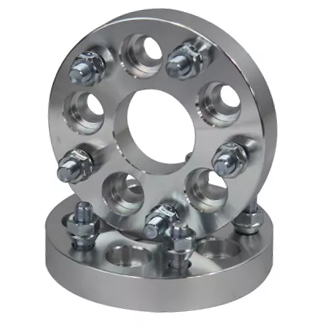
Bolt pattern specifications directly govern which wheel spacer thickness options are compatible with your vehicle hub assembly. Common bolt patterns include 5x100mm, 5x112mm, 5x120mm, and 5x130mm configurations, each requiring dedicated wheel spacer thickness designs. Procurement specialists must verify that selected wheel spacer thickness products feature the correct hub diameter, stud size, and thread pitch for your specific vehicle platform. Universal wheel spacer thickness adapters sometimes introduce fitment inconsistencies or safety risks when applied to non-matching bolt patterns. Professional procurement processes demand precise bolt pattern verification before purchasing wheel spacer thickness inventory.
Procurement Decision Framework for Wheel Spacer Thickness Selection
Evaluating Application Requirements and Wheel Spacer Thickness Needs
Defining your primary application objective significantly influences which wheel spacer thickness options merit consideration during procurement evaluation. Aesthetic stance modifications typically require smaller wheel spacer thickness increments between 10mm and 15mm to achieve desired visual results without performance compromise. Track and motorsports applications may demand wheel spacer thickness configurations that optimize contact patch and weight distribution for cornering performance. Off-road and commercial applications often utilize substantial wheel spacer thickness specifications to increase track width and stability on challenging terrain. Procurement decisions should prioritize application-specific requirements over general recommendations to ensure optimal performance outcomes.
Vehicle modification goals and long-term usage patterns inform wheel spacer thickness procurement strategies. Temporary installations for seasonal racing applications require different wheel spacer thickness specifications than permanent modifications for daily-driven vehicles. Budget considerations influence whether procurement teams select economy wheel spacer thickness options or premium-grade components with extended warranty coverage. Documentation of procurement rationale helps ensure consistent decision-making across multiple vehicle platforms and modifications. Establishing procurement standards for wheel spacer thickness selection promotes efficiency and reduces approval cycles for future purchasing requests.
Installation and Maintenance Implications of Wheel Spacer Thickness Selection
Installation complexity increases with wheel spacer thickness specification, requiring qualified technicians and specialized equipment for proper mounting. Torque specification verification becomes critical when installing wheel spacer thickness components to prevent bolt loosening or premature failure. Maintenance schedules should include periodic inspections of installed wheel spacer thickness components to verify continued tightness and structural integrity. Procurement purchasing decisions must account for the total cost of ownership, including installation labor and ongoing maintenance requirements associated with specific wheel spacer thickness selections. Professional installation services may add substantially to total project costs when implementing significant wheel spacer thickness modifications.
FAQ
What wheel spacer thickness options are most commonly used in automotive applications?
The most frequently selected wheel spacer thickness options range from 10mm to 25mm, accommodating the majority of passenger vehicle applications. Standard wheel spacer thickness increments of 5mm, 10mm, 15mm, and 20mm provide flexibility for matching specific fitment requirements and brake clearance constraints. Procurement teams commonly stock these popular wheel spacer thickness sizes to support rapid turnaround on customer orders and maintenance requests. Specialty applications occasionally require custom wheel spacer thickness configurations outside the standard range, necessitating extended lead times and specialized manufacturing processes.
How does wheel spacer thickness impact fuel economy and vehicle performance?
Wheel spacer thickness modifications primarily affect aerodynamics and rolling resistance rather than producing dramatic fuel economy changes. Increasing track width through wheel spacer thickness adjustment may marginally increase drag and rolling resistance, creating minor fuel consumption penalties. Performance vehicles equipped with performance wheel spacer thickness configurations often experience improved handling balance and cornering capability that partially offset any efficiency losses. The actual fuel economy impact of wheel spacer thickness selection typically remains negligible compared to other vehicle modifications like tire selection or suspension tuning. Procurement decisions should focus on performance and safety benefits rather than relying on fuel economy as a primary selection criterion.
Can wheel spacer thickness affect vehicle warranty coverage?
Vehicle manufacturers often impose restrictions on wheel spacer thickness modifications that may invalidate certain warranty coverage provisions. Installing wheel spacer thickness components that exceed manufacturer specifications could void suspension warranty protection or brake system coverage. Procurement decisions must account for warranty implications, particularly on newer vehicles still covered by manufacturer protection plans. Documentation of wheel spacer thickness specifications and installation records protects consumers in warranty dispute scenarios. Consulting manufacturer technical bulletins and warranty documentation ensures that wheel spacer thickness selections remain compliant with coverage requirements and do not create unintended warranty exclusions.