
 EN
EN
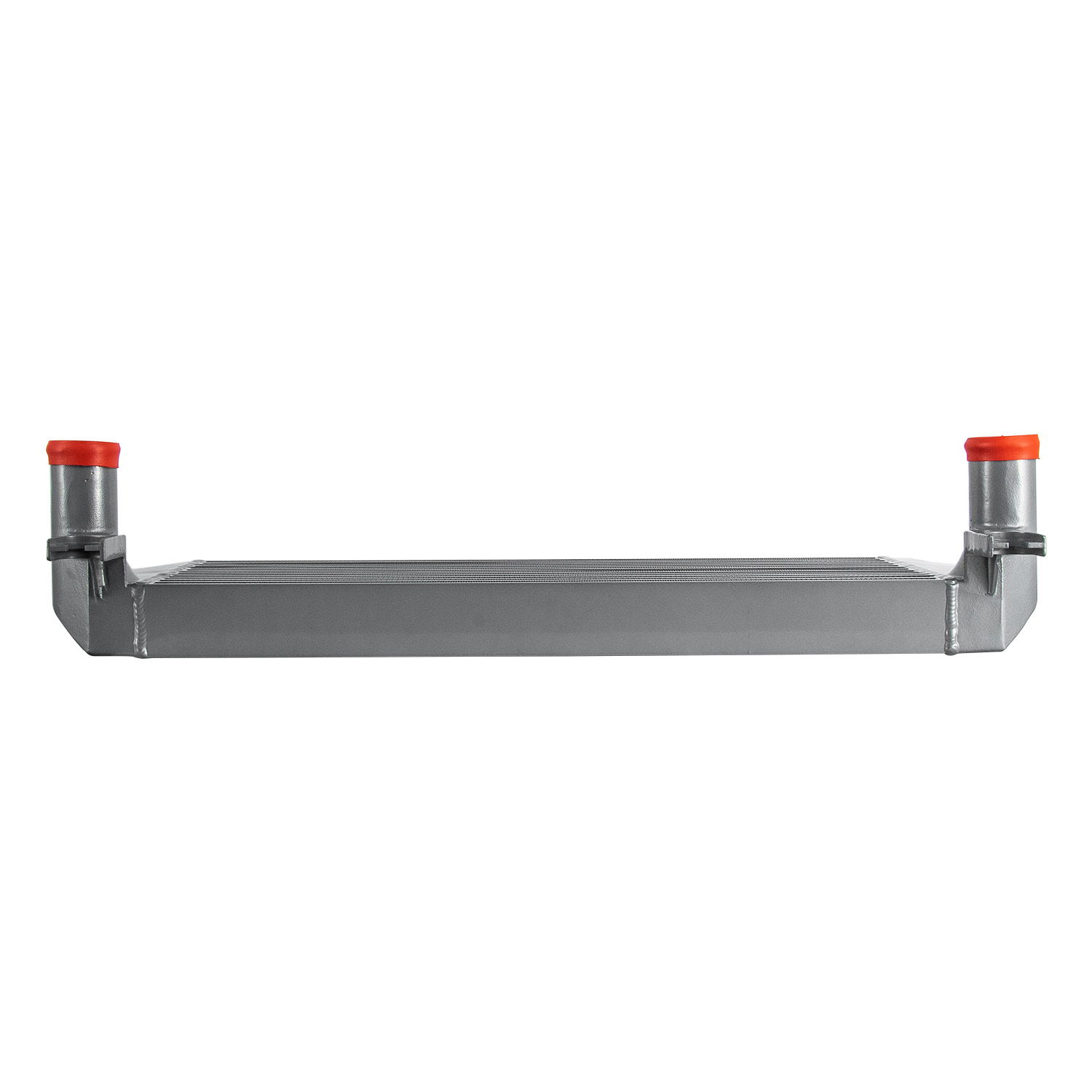
Moottorialustojen monimuotoisuus nykyaikaisessa automaalisessa valmistuksessa edellyttää erinomaisen erikoistuneita jäähdytysratkaisuja, erityisesti pakotettua ilmanottoa käyttävissä järjestelmissä. Lämmönvaihtoputket toimivat kriittisinä kulkuina puristetulle ilmalle turbiolataimien tai kompressorien ja imukeräinten välillä, mutta niiden suunnittelun on oltava tarkasti sopeutettu kunkin tietyn moottorialustan yksilöllisiin tilallisiin rajoituksiin, ilmavirtavaatimuksiin ja kiinnityskonfiguraatioihin. Tämä mukauttamisprosessi vaatii laajaa insinöörianalyysia, lämmönhallintaa koskevia harkintoja sekä valmistustarkkuutta, jotta saavutetaan optimaalinen suorituskyky eri ajoneuvojen sovelluksissa.
Intercooler-putkien mukauttamisen metodologia ulottuu paljon pidemmälle kuin pelkät mitalliset säädöt: se kattaa materiaalin valinnan, taivutussäteen optimoinnin, liitännän suunnittelun ja lämpölaajenemisen huomioon ottamisen. Insinöörien on otettava huomioon tekijöitä, kuten moottoritilan pakkausrajoitukset, ilmavirran nopeusvaatimukset, painehäviön minimointi sekä integrointi olemassa olevien jäähdytysjärjestelmän komponenttien kanssa. Näiden mukauttamisperiaatteiden ymmärtäminen antaa arvokasta tietoa siitä, miten automerkkien valmistajat ja jälkimarkkinoiden toimittajat kehittävät alustakohtaisia ratkaisuja, jotka maksimoivat sekä suorituskyvyn että luotettavuuden säilyttäen samalla tuotantoympäristössä kustannustehokkuuden.
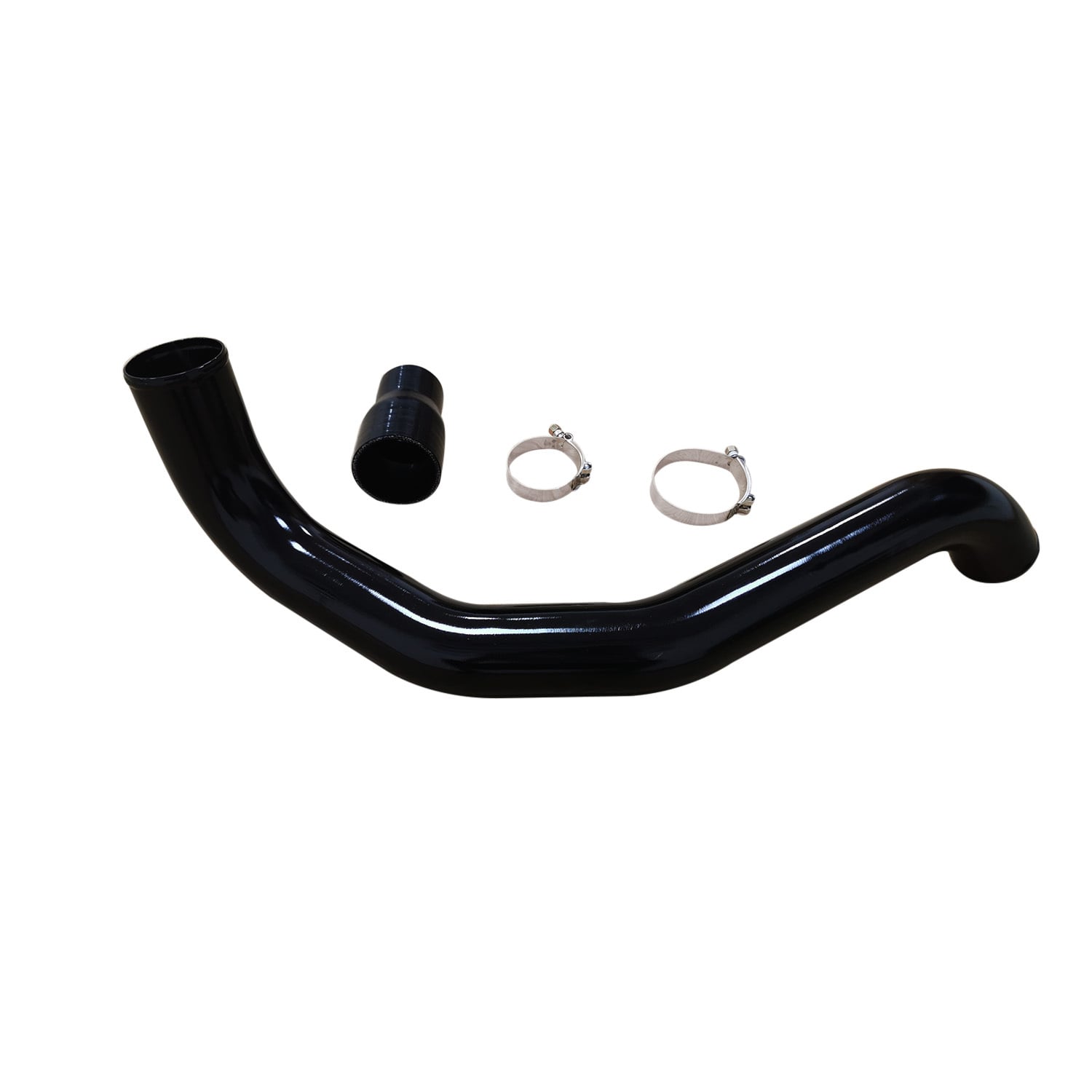
Alustakohtaisten suunnittelun vaatimusten analyysi
Moottoritilan asennuskonfiguraation arviointi
Lämmönvaihtimen putkien mukauttamisen perusta alkaa kattavalla moottoritilan asennusanalyysillä, jossa insinöörit arvioivat tilallisia rajoituksia, komponenttien keskinäistä läheisyyttä ja ilmavirtausreittejä, jotka ovat ominaisia jokaiselle alustalle. Eri moottoriasennukset – olivatpa ne rivimoottoreita (nelitasoisia), V6-moottoreita tai vaakasuuntaisia vastakkaismoottoreita – aiheuttavat erilaisia pakkausongelmia, jotka vaikuttavat suoraan putkien reititykseen, taivutuskulmiin ja liitoskohtiin. Tämä arviointivaihe edellyttää yksityiskohtaista CAD-mallinnusta ja fyysisiä mittauksia, jotta voidaan tunnistaa optimaaliset reitit, jotka välttävät muiden moottorikomponenttien kanssa mahdollisen interferenssin samalla kun säilytetään tehokkaat ilmavirtaominaisuudet.
Moottoritilan lämpöjakautuman mallit vaikuttavat myös merkittävästi lämmönvaihtimen putkiin suunnittelun vaatimukset, kuten läheisyys pakoputkien keräimiin, jäähdyttimeen ja muihin lämmön tuottaviin komponentteihin, edellyttävät tiettyjä materiaalivalintoja ja lämmönsuojauksen huomioon ottamista. Insinöörien on kartoitettava lämpöalueet moottoritilassa ja suunniteltava putkien asennus siten, että lämpökuormitus minimoidaan ja samalla varmistetaan riittävä välys lämpölaajenemiselle käytön aikana. Tämä lämpöanalyysi vaikuttaa suoraan materiaalivalintoihin, seinämän paksuusmäärittelyihin sekä lisälämmönsuojauksen tai eristemateriaalien tarpeeseen.
Ilmavirta-dynamiikka ja painevaatimukset
Jokainen moottorialusta tuottaa yksilöllisiä ilmavirta-nopeus- ja -paineominaisuuksia, joihin on sopeuduttava tarkkojen välikylmennintäputkien suunnitteluparametrien avulla. Turboahdin koko, latauspaineen tasot ja tilavuusilmavirtanopeudet vaihtelevat merkittävästi eri moottorikonfiguraatioiden välillä, mikä edellyttää putkien halkaisijoiden, seinämän paksuusmäärittelyjen ja sisäpintojen käsittelyn mukauttamista. Insinöörit käyttävät laskennallista virtausdynamiikkaa mallintaakseen putkien geometriaa siten, että painehäviö minimoidaan samalla kun rakenteellinen kestävyys säilyy eri latauspaineolosuhteissa.
Putkien halkaisijan ja ilmavirran nopeuden välinen suhde saa erityisen merkityksen korkean suorituskyvyn sovelluksissa, joissa painehäviön minimoiminen vaikuttaa suoraan tehon tuotantoon ja kaasupedalin reagoitukseen. Suuremmat välilämmittimen putkien halkaisijat vähentävät ilmavirran nopeutta ja painehäviötä, mutta ne vaativat enemmän tilaa ja voivat lisätä valmistuksen monimutkaisuutta. Pienempien putkien halkaisijoiden käyttö säästää tilaa, mutta se voi aiheuttaa virtausrajoituksia, jotka rajoittavat moottorin suorituskyvyn mahdollisuuksia. Tämän tasapainon saavuttaminen edellyttää huolellista analyysiä kunkin alustan erityisistä suorituskyvyn tavoitteista ja pakkausrajoituksista.
Materiaalien valinta ja valmistukseen tehtävät mukautukset
Alustaan sopivat materiaalimääritykset
Lämmönvaihtimen putkien materiaalin valinta vaihtelee merkittävästi alustakohtaisten käyttöolosuhteiden, kestävyysvaatimusten ja kustannustavoitteiden mukaan. Alumiiniseokset ovat edelleen yleisin valinta niiden suotuisan lujuus-massasuhde- ja korrosiosta kestävyyden vuoksi, mutta eri seoksen koostumukset ja seinämän paksuudet valitaan perustuen turboahdin painetasoihin ja odotettuun käyttöikään. Korkean suorituskyvyn alustat saattavat vaatia vahvempia seosmäärittelyjä tai suurempaa seinämän paksuutta korkeamman turboahdin paineen ja lämpötilan vaihtelujen käsittelyyn.
Jotkin erikoissovellukset käyttävät välijäähdyttimen putkissa ruostumatonta terästä tai komposiittimateriaaleja, kun vaaditaan erinomaista kestävyyttä tai tiettyjä lämmönvaihtoominaisuuksia. Ruostumaton teräs tarjoaa paremman korroosionkestävyyden ja korkeamman lämpötilan siedon, mutta se lisää painoa ja valmistuskustannuksia. Komposiittimateriaalit tarjoavat erinomaiset lämmöneristysominaisuudet, mutta niiden valmistukseen vaaditaan erityisiä prosesseja, eikä niitä välttämättä voida käyttää kaikilla painealueilla. Materiaalin valintaprosessissa on tasapainotettava suoritusvaatimukset valmistusmahdollisuuksien ja kustannustekijöiden kanssa, mikä riippuu kunkin alustan markkina-asemasta.
Valmistusprosessin mukauttaminen
Lämmönvaihtimputkien valmistustapa vaatii alustakohtaisia mukautuksia erilaisten tuotantomäärien, laatuvaatimusten ja kustannustavoitteiden huomioon ottamiseksi. Suurten sarjatuotantomäärien henkilöautoalustat käyttävät yleensä hydromuotoiltua alumiiniputkea ja automatisoituja hitsausprosesseja, jotta saavutetaan johdonmukainen laatu kilpailukykyisillä kustannuksilla. Nämä valmistusmenetelmät mahdollistavat monimutkaisten taivutusgeometrioiden ja integroitujen kiinnitysosien valmistuksen samalla, kun säilytetään tarkat mitatoleranssit, joita massatuotannon kokoonpanossa vaaditaan.
Pieniin tuotantomääriin tai korkean suorituskyvyn alustoille voidaan käyttää erilaisia valmistustekniikoita, kuten muottitaittota, CNC-koneistusta tai lisäysvalmistusta, jotta saavutetaan erityisiä geometrioita tai materiaaliominaisuuksia. Nämä prosessit mahdollistavat suuremman suunnittelujoustavuuden monimutkaisten reittien tai erityisten liitosliittimien osalta, mutta niissä on yleensä korkeammat kappalekohtaiset kustannukset. Valmistusprosessin valinta vaikuttaa suoraan suunnittelumahdollisuuksiin, ja sitä on siksi otettava huomioon jo alussa tapaustomisointivaiheessa, jotta varmistetaan toteuttamisen mahdollisuus ja kustannustehokkuus.
Liitosliittimen ja kiinnitysjärjestelmän suunnittelu
OEM-integrointivaatimukset
Lämmönvaihtimen putket on suunniteltava niin, että ne integroituvat saumattomasti olemassa oleviin OEM-komponentteihin tarkasti suunniteltujen liitosliittimien kautta, jotka ovat yhteensopivia alustakohtaisten kiinnitysjärjestelmien ja kokoonpanomenetelmien kanssa. Eri valmistajat käyttävät erilaisia liitosmenetelmiä, kuten silikonihoskiliittimiä, metalli-metalli-liukkaita tai integroituja nopeita liittimiä, joista jokainen vaatii tiettyjä päätymäkonfiguraatioita ja tiivistysjärjestelmiä. Nämä liitosjärjestelmät on suunniteltava siten, että ne toimivat vuotamattomasti vaihtelevissa paine- ja lämpötilaolosuhteissa samalla kun ne sallivat kohtalaiset kokoonpanotoleranssit tuotantoympäristöissä.
Lämmönvaihtimen putkien kiinnitysjärjestelmän suunnittelun on otettava huomioon alustakohtaiset kiinnityspisteet ja tuentarakenne, samalla kun jännityskeskittymiä vähennetään lämpötilan vaihteluiden ja värähtelyn aikana. Joissakin alustoissa on erityisiä kiinnitysliittimiä tai integroituja tukevia pisteitä, kun taas toisissa vaaditaan räätälöityjä liittimiä tai olemassa olevien moottoritilarakenteiden integrointia. Tämä kiinnitysjärjestelmän suunnittelu vaikuttaa suoraan putkien asetteluvaihtoehtoihin ja voi vaikuttaa koko järjestelmän pakkaustehokkuuteen.
Jälkimarkkinoiden yhteensopivuuden huomioon ottaminen
Jälkimarkkinoiden vägilämmittimen putkien mukauttamisen on säilytettävä yhteensopivuus sekä alkuperäisten valmistajan (OEM) komponenttien että tiettyihin alustoihin yleisesti sovellettavien suorituskykyä parantavien muokkausten kanssa. Tämä yhteensopivuusvaatimus vaatii usein liitännän suunnittelua, joka ottaa huomioon sekä tehdasvaraiset että parannetut turboahdinasetukset, vägilämmittimen koot tai imusuunakotelon muokkaukset. Insinöörien on ennakoitava yleisiä muokkauskuvioita kullekin alustalle ja suunniteltava joustavuutta putkien geometriaan ja liitännäsjärjestelmiin.
Asennuksen helppokäyttöisyys on erityisen tärkeää jälkimarkkinoilla myytävien välijäähdyttimien putkien kohdalla, koska loppukäyttäjiltä ei välttämättä puutu tehdasympäristöissä saatavilla olevia erikoistyökaluja tai kokoonpanokiinnikkeitä. Räätälöidyissä suunnitteluissa on otettava huomioon käsityökaluasennuksen helppokäyttöisyys samalla, kun noudatetaan asianmukaisia sopivuus- ja viimeistelystandardeja. Tämä vaatimus voi vaikuttaa putkien reitityspäätöksiin tai liitäntärajapinnan suunnitteluun, jotta asennuksen monimutkaisuus voidaan varmistaa tyypillisille jälkimarkkinaasiakkaille.
Suorituskyvyn optimointi ja testausvalidointi
Alustakohtainen suorituskyvyn säätö
Lämmönvaihtimen putkien suorituskyvyn optimointiprosessi sisältää laajaa testausta ja validointia, joka on erityisesti suunnattu kunkin moottorialustan toimintaluonnekkeiden ja suorituskyvyn tavoitteiden mukaisesti. Insinöörit suorittavat virtauspöytätestejä painehäviön mittaamiseksi eri toimintatiloissa ja vertailevat tuloksia alustakohtaisten suorituskyvyn vaatimusten kanssa. Tämän testauksen tulokset ohjaavat putken halkaisijan, taivutussäteen ja sisäpinnan käsittelyn tarkistuksia, jotta saavutetaan optimaaliset ilmavirtaominaisuudet kullekin sovellukselle.
Lämmönkuljetuksen tehokkuuden ja lämpölaajenemiskäyttäytymisen varmistaminen vaatii alustakohtaista testausta todellisissa käyttöolosuhteissa. Eri moottorialustat tuottavat erilaisia lämpökuormia ja käyttölämpötiloja, jotka vaikuttavat suoraan välilämmittimen putkien suorituskykyyn ja kestävyyteen. Tämä varmistusprosessi takaa, että mukautetut suunnitteluratkaisut säilyttävät johdonmukaisen suorituskykynsä koko odotettujen käyttöolosuhteiden alueella sekä tarjoavat riittävän turvamarginaalin äärimmäisiin käyttötilanteisiin.
Kestävyyden ja luotettavuuden varmistaminen
Turboahdin jäähdyttimen putkien kestävyystestaus on suunniteltava simuloimaan alustakohtaisia rasitusolosuhteita, mukaan lukien paineen vaihtelu, lämpötilan vaihtelu ja kunkin sovelluksen tyypilliset värähtelyaltistukset. Korkean suorituskyvyn alustat saattavat vaatia tiukempia testausprotokollia, jotta voidaan varmistaa toiminta korotettujen turboahdin paineiden ja lämpökuormien alla. Tämä testausprosessi paljastaa mahdollisia vikaantumismalleja ja vahvistaa suunnittelun turvamarginaaleja, mikä takaa luotettavan toiminnan koko odotetun käyttöiän ajan.
Pitkäaikaisen luotettavuuden varmentaminen sisältää kiihdytettyjä ikääntymistestejä ja kenttävarmentamisohjelmia, joissa turboahdin jäähdyttimen putkia altistetaan todellisille käyttöolosuhteille erilaisissa ilmastovyöhykkeissä ja käyttötapoissa. Tämä varmentamistieto antaa luottamusta suunnittelupäätöksiin ja paljastaa mahdollisuudet jatkuvaa parannusta varten tulevissa suunnittelukierroksissa. Testitulokset tukevat myös takuukattauksen päätöksiä ja auttavat määrittämään huoltosuositukset tiettyihin alustasovelluksiin.
Usein kysytyt kysymykset
Mitkä tekijät määrittävät putken halkaisijan eri moottorialustoille?
Putken halkaisijan valinta riippuu useista alustakohtaisista tekijöistä, kuten turboahdin ilmavirtakapasiteetista, tavoitelluista latauspaineen tasoista, saatavilla olevasta asennustilasta ja halutuista painehäviöominaisuuksista. Suurempia ilmavirtoja vaativissa sovelluksissa tarvitaan yleensä suurempihalkaisijaisia jäähdytysputkia, jotta ilmanopeutta ja painehäviötä voidaan minimoida, kun taas tilaa rajoittavissa alustoissa saattaa olla tarpeen pienempiä halkaisijoita, joissa sisäinen geometria on optimoitu säilyttämään hyväksyttävät virtausominaisuudet.
Kuinka valmistajat varmistavat asianmukaisen sovituksen eri tuotantotoleranssien välillä?
Valmistajat huomioivat tuotantotoleranssit tarkalla mittaanalyysillä alkuperäisen valmistajan (OEM) kiinnityspisteistä ja liitännöistä sekä ottavat intercooler-putkien suunnitteluun sopivat välykset ja säätömekanismit. Laadunvalvontaprosessit sisältävät mittatarkistukset useissa tuotannon vaiheissa sekä validointitestit todellisten tuotantovaihtoehtojen näytteillä, jotta varmistetaan yhtenäinen asennus tavallisissa valmistustoleransseissa.
Voivatko intercooler-putket olla mukautettuja muokattuihin tai päivitettyihin moottoreihin?
Kyllä, intercooler-putket voidaan mukauttaa muokattuihin moottoreihin, mutta mukauttamisprosessi vaatii yksityiskohtaista analyysiä tehdystä muokkauksesta, mukaan lukien päivitetyt turboahdinnot, intercoolereita tai imuputkistoja. Mukautetut suunnittelut täytyy sovittaa suurempiin ilmavirtavaatimuksiin, erilaisiin kiinnityskonfiguraatioihin ja mahdollisesti korkeampiin paineluokkiin samalla kun säilytetään yhteensopivuus muokatun järjestelmän komponenttien ja saatavilla olevan asennustilan kanssa.
Mitkä huoltokysymykset koskevat mukautettuja välijäähdytinputkia?
Mukautettuja välijäähdytinputkia on tarkasteltava ajoittain väsymisen, korroosion tai liitosten löystymisen merkkiä, ja tarkastusten taajuus riippuu käyttöolosuhteista ja turboahdinpaineen tasosta. Suorituskykysovelluksissa saattaa vaadita tiukempaa tarkastusta kiinnityskomponenteista ja liitospinnoista, kun taas lämmönsuojan oikea asennus ja riittävä etäisyys lämmönlähteistä auttavat vähentämään huoltovaatimuksia ja pidentämään käyttöikää.
Sisällysluettelo
- Alustakohtaisten suunnittelun vaatimusten analyysi
- Materiaalien valinta ja valmistukseen tehtävät mukautukset
- Liitosliittimen ja kiinnitysjärjestelmän suunnittelu
- Suorituskyvyn optimointi ja testausvalidointi
-
Usein kysytyt kysymykset
- Mitkä tekijät määrittävät putken halkaisijan eri moottorialustoille?
- Kuinka valmistajat varmistavat asianmukaisen sovituksen eri tuotantotoleranssien välillä?
- Voivatko intercooler-putket olla mukautettuja muokattuihin tai päivitettyihin moottoreihin?
- Mitkä huoltokysymykset koskevat mukautettuja välijäähdytinputkia?