
 EN
EN
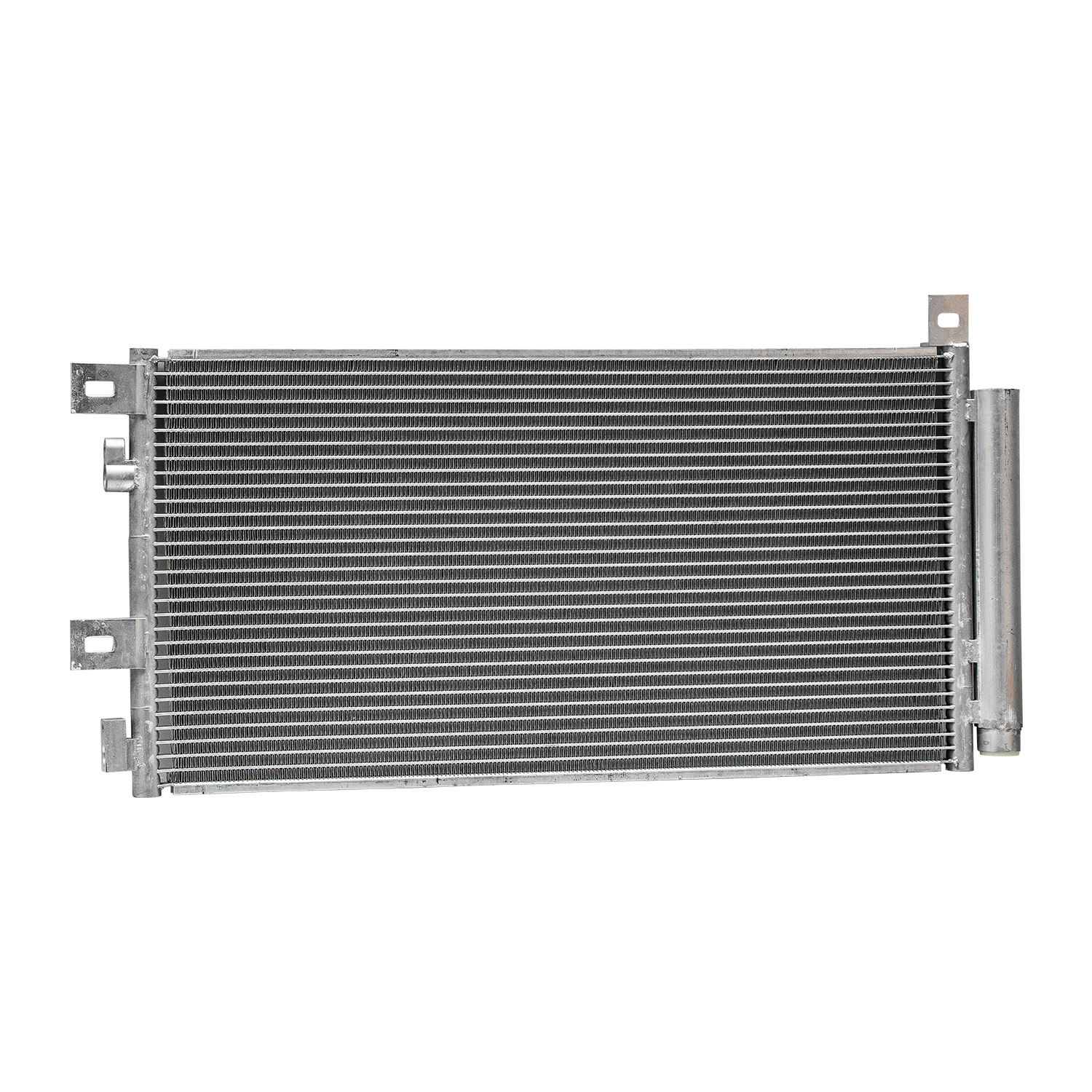
Hub bearing selection plays a critical role in determining the fuel efficiency of logistics fleets, directly affecting operational costs and environmental impact. When fleet managers overlook the technical specifications and quality standards of wheel hub bearings, they inadvertently create friction losses that translate into measurable increases in fuel consumption across their vehicle operations.
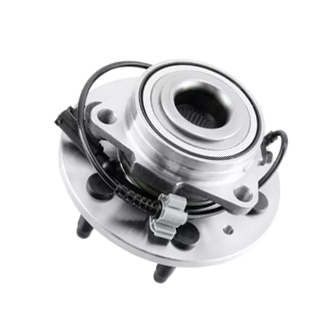
The relationship between hub bearing performance and fuel efficiency extends beyond simple mechanical function, encompassing precision engineering tolerances, lubrication systems, and thermal management characteristics that collectively influence rolling resistance. Fleet operators who understand these technical relationships can achieve fuel savings of 2-4% through strategic hub bearing selection, representing substantial cost reductions across large vehicle deployments.
The Mechanical Physics Behind Hub Bearing Fuel Efficiency Impact
Rolling Resistance Fundamentals in Hub Bearing Systems
Rolling resistance generated by wheel hub bearings directly correlates with the internal friction characteristics of the bearing assembly, seal design, and lubrication efficiency. High-quality hub bearing selection minimizes these friction losses through precision-manufactured rolling elements, optimized cage designs, and advanced seal configurations that reduce parasitic drag on the drivetrain system.
The coefficient of rolling resistance in hub bearings typically ranges from 0.001 to 0.003, depending on bearing type and quality standards. Premium hub bearing selection can achieve the lower end of this range, while substandard bearings may exceed these values, creating measurable increases in fuel consumption during highway cruising conditions where rolling resistance becomes the dominant load factor.
Temperature effects significantly influence hub bearing friction characteristics, with poorly selected bearings generating excess heat that increases internal viscous losses. Strategic hub bearing selection accounts for thermal management through improved heat dissipation pathways and temperature-stable lubricant formulations that maintain consistent friction properties across operating temperature ranges.
Precision Tolerances and Manufacturing Quality Impact
Manufacturing tolerances in hub bearing assemblies directly affect rotational smoothness and energy losses, with tighter tolerances generally producing lower friction coefficients. Hub bearing selection criteria must evaluate radial and axial runout specifications, surface finish quality, and dimensional consistency to ensure optimal fuel efficiency performance throughout the bearing service life.
Bearing preload settings established during manufacturing influence both friction characteristics and service life, requiring careful balance between adequate load distribution and minimal internal friction. Proper hub bearing selection considers these preload parameters to achieve optimal fuel efficiency without compromising structural integrity under fleet operating conditions.
Advanced manufacturing processes such as super-finishing and controlled atmosphere heat treatment improve bearing surface quality and metallurgical properties, resulting in lower friction coefficients and improved fuel efficiency performance. These manufacturing quality indicators should be prioritized in hub bearing selection for fuel-sensitive fleet applications.
Lubrication Technology and Seal Design Considerations
Advanced Lubricant Formulations for Fuel Efficiency
Lubricant viscosity characteristics significantly influence hub bearing friction losses, with synthetic formulations offering superior fuel efficiency compared to conventional petroleum-based greases. Hub bearing selection should prioritize low-friction lubricant technologies that maintain protective film strength while minimizing viscous drag losses across temperature and load conditions.
Long-life synthetic lubricants reduce maintenance-related downtime while providing consistent friction characteristics throughout extended service intervals. These advanced formulations support hub bearing selection strategies focused on total cost of ownership rather than initial purchase price, delivering fuel efficiency benefits over the complete bearing service life.
Additive packages in premium hub bearing lubricants include friction modifiers and anti-wear compounds that further reduce energy losses while extending component life. Strategic hub bearing selection evaluates these lubricant technologies as integral performance factors rather than secondary considerations in the procurement process.
Seal Technology and Contamination Protection
Seal design directly impacts hub bearing friction through contact pressure against rotating surfaces, with low-friction seal technologies reducing parasitic losses while maintaining contamination protection. Modern hub bearing selection criteria must balance sealing effectiveness with minimal friction generation to optimize fuel efficiency performance.
Multi-lip seal configurations and non-contact labyrinth designs represent advanced sealing technologies that provide contamination protection with reduced friction penalties. These seal innovations should be prioritized in hub bearing selection for applications where fuel efficiency improvements justify premium component costs.
Environmental sealing performance affects long-term fuel efficiency by preventing contamination that increases bearing friction over time. Comprehensive hub bearing selection evaluates seal durability and effectiveness to ensure sustained fuel efficiency benefits throughout the bearing service interval.
Load Distribution and Structural Design Optimization
Bearing Configuration and Load Path Analysis
Hub bearing configuration significantly influences load distribution efficiency and friction characteristics, with integrated bearing units offering optimized load paths compared to separate bearing arrangements. Strategic hub bearing selection considers these structural advantages to minimize friction losses while maintaining required load capacity for fleet applications.
Angular contact bearing designs provide superior load distribution for combined radial and thrust loads common in vehicle applications, reducing friction through more efficient load transfer mechanisms. Hub bearing selection should prioritize these optimized configurations to achieve maximum fuel efficiency benefits in logistics fleet operations.
Bearing mounting methods and housing designs affect load distribution uniformity, with proper hub bearing selection ensuring optimal contact patterns that minimize friction hotspots and energy losses. These installation considerations become critical factors in achieving projected fuel efficiency improvements.
Material Science and Durability Factors
Advanced bearing steels and surface treatments improve friction characteristics while extending service life, supporting hub bearing selection strategies focused on long-term fuel efficiency performance. Premium materials justify higher initial costs through sustained efficiency benefits and reduced replacement frequency.
Ceramic rolling elements offer superior friction characteristics and thermal properties compared to steel alternatives, representing the premium tier of hub bearing selection for fuel-critical applications. These advanced materials provide measurable efficiency improvements while delivering extended service intervals under demanding fleet conditions.
Coating technologies such as diamond-like carbon and advanced nitride treatments reduce friction coefficients while improving wear resistance. Hub bearing selection criteria should evaluate these surface enhancement technologies for their contribution to sustained fuel efficiency performance throughout the component service life.
Fleet Application Strategy and Selection Criteria
Vehicle Classification and Operating Profile Analysis
Different vehicle classes within logistics fleets require specific hub bearing selection approaches based on load patterns, duty cycles, and fuel efficiency priorities. Heavy-duty trucks benefit most from premium bearing technologies due to higher fuel consumption and greater potential savings, while light commercial vehicles may achieve adequate results with mid-tier selections.
Operating profile analysis reveals the duty cycles where fuel efficiency improvements provide maximum benefit, guiding hub bearing selection toward configurations optimized for highway cruising, urban stop-and-go, or mixed-duty applications. This analysis ensures that bearing investments align with actual fuel savings opportunities.
Route characteristics and environmental conditions influence hub bearing selection requirements, with long-haul operations prioritizing maximum fuel efficiency while local delivery fleets may emphasize durability and maintenance intervals. Strategic selection balances these competing priorities based on fleet operational realities.
Total Cost of Ownership Evaluation
Hub bearing selection decisions must consider total cost of ownership including initial purchase price, installation costs, fuel savings, maintenance requirements, and replacement intervals. This comprehensive analysis often reveals that premium bearings deliver superior value through reduced fuel consumption despite higher upfront costs.
Fuel price volatility affects the economic justification for premium hub bearing selection, with higher fuel costs increasing the value of efficiency improvements. Fleet managers should model various fuel price scenarios to ensure robust selection decisions that remain cost-effective across market conditions.
Maintenance scheduling and replacement logistics influence hub bearing selection through availability requirements and service complexity. Strategic selection considers these operational factors to ensure that fuel efficiency improvements do not create unacceptable maintenance burdens or vehicle downtime.
Performance Monitoring and Validation Methods
Fuel Consumption Measurement Techniques
Accurate measurement of fuel efficiency improvements from hub bearing selection requires controlled testing protocols and baseline establishment before component changes. Fleet operators should implement systematic monitoring procedures to validate projected efficiency gains and adjust selection criteria based on actual performance data.
Vehicle instrumentation and telematics systems provide detailed fuel consumption data that enables precise evaluation of hub bearing selection impacts. These monitoring capabilities allow fleet managers to quantify efficiency improvements and optimize future selection decisions based on documented performance results.
Comparative analysis between vehicles with different hub bearing specifications reveals the practical impact of selection decisions on fuel efficiency. This data-driven approach supports continuous improvement in hub bearing selection strategies and validates the business case for premium component investments.
Long-term Performance Tracking
Sustained fuel efficiency benefits from hub bearing selection require ongoing performance monitoring to detect degradation over time and optimize replacement intervals. Regular assessment ensures that efficiency gains persist throughout the bearing service life and guides future selection decisions.
Predictive maintenance technologies can identify hub bearing condition changes that affect fuel efficiency, enabling proactive replacement before significant performance degradation occurs. This approach maximizes the fuel efficiency benefits from strategic hub bearing selection throughout the component lifecycle.
Performance benchmarking against industry standards and competitor fleets validates hub bearing selection effectiveness and identifies opportunities for further optimization. This competitive analysis ensures that selection strategies remain aligned with best practices and emerging technologies.
FAQ
What percentage of fuel savings can be achieved through optimal hub bearing selection?
Optimal hub bearing selection typically achieves fuel savings of 2-4% in highway cruising conditions, with actual results varying based on vehicle type, operating conditions, and baseline bearing quality. Heavy-duty trucks show the greatest potential for savings due to higher rolling resistance sensitivity, while light commercial vehicles may see more modest improvements in the 1-2% range.
How do environmental conditions affect hub bearing fuel efficiency performance?
Environmental conditions significantly impact hub bearing fuel efficiency through temperature effects on lubricant viscosity and seal friction characteristics. Cold weather increases bearing friction and reduces fuel efficiency benefits, while high-temperature operations may cause lubricant degradation that increases friction over time. Proper hub bearing selection accounts for expected operating temperature ranges and environmental exposure.
What is the typical payback period for investing in premium hub bearings for fuel efficiency?
The payback period for premium hub bearings focused on fuel efficiency typically ranges from 6-18 months depending on fuel prices, vehicle utilization, and the magnitude of efficiency improvement achieved. High-mileage fleet vehicles with significant fuel consumption show faster payback periods, while lower-utilization vehicles may require longer periods to justify the investment through fuel savings alone.
How can fleet managers verify that hub bearing selection is actually improving fuel efficiency?
Fleet managers can verify fuel efficiency improvements through systematic before-and-after testing using consistent routes, drivers, and operating conditions. Vehicle telematics systems provide detailed fuel consumption data that enables statistical analysis of efficiency changes, while controlled testing protocols help isolate the impact of hub bearing selection from other variables affecting fuel consumption.
Table of Contents
- The Mechanical Physics Behind Hub Bearing Fuel Efficiency Impact
- Lubrication Technology and Seal Design Considerations
- Load Distribution and Structural Design Optimization
- Fleet Application Strategy and Selection Criteria
- Performance Monitoring and Validation Methods
-
FAQ
- What percentage of fuel savings can be achieved through optimal hub bearing selection?
- How do environmental conditions affect hub bearing fuel efficiency performance?
- What is the typical payback period for investing in premium hub bearings for fuel efficiency?
- How can fleet managers verify that hub bearing selection is actually improving fuel efficiency?