High-Performance Intercoolers: Advanced Cooling Solutions for Maximum Engine Efficiency

All Categories

Get a Free Quote

Our representative will contact you soon.
Email
Name
Company Name
WhatsApp
Message
0/1000

performance intercooler

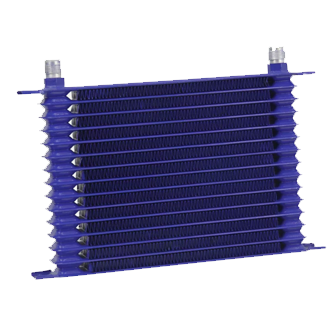
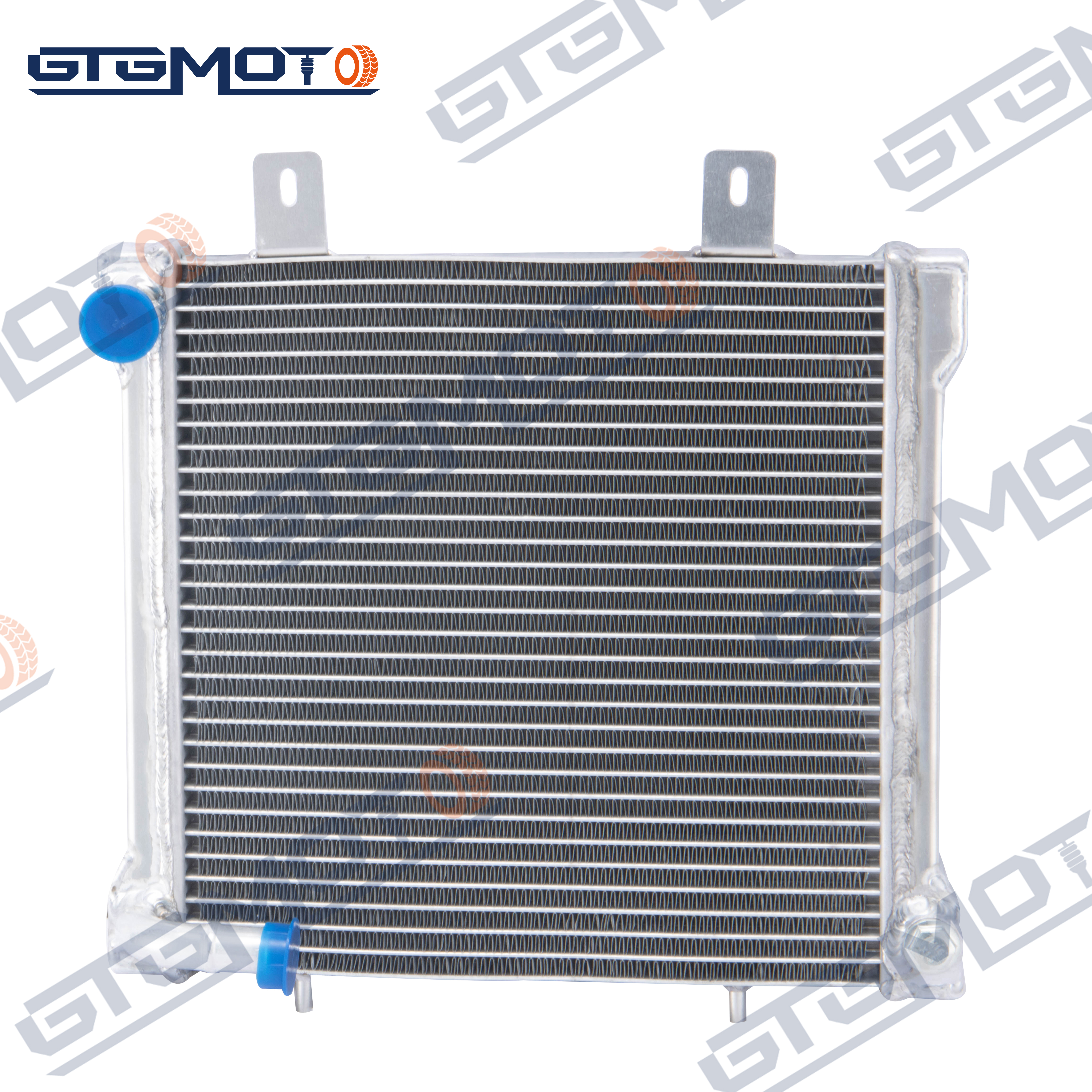
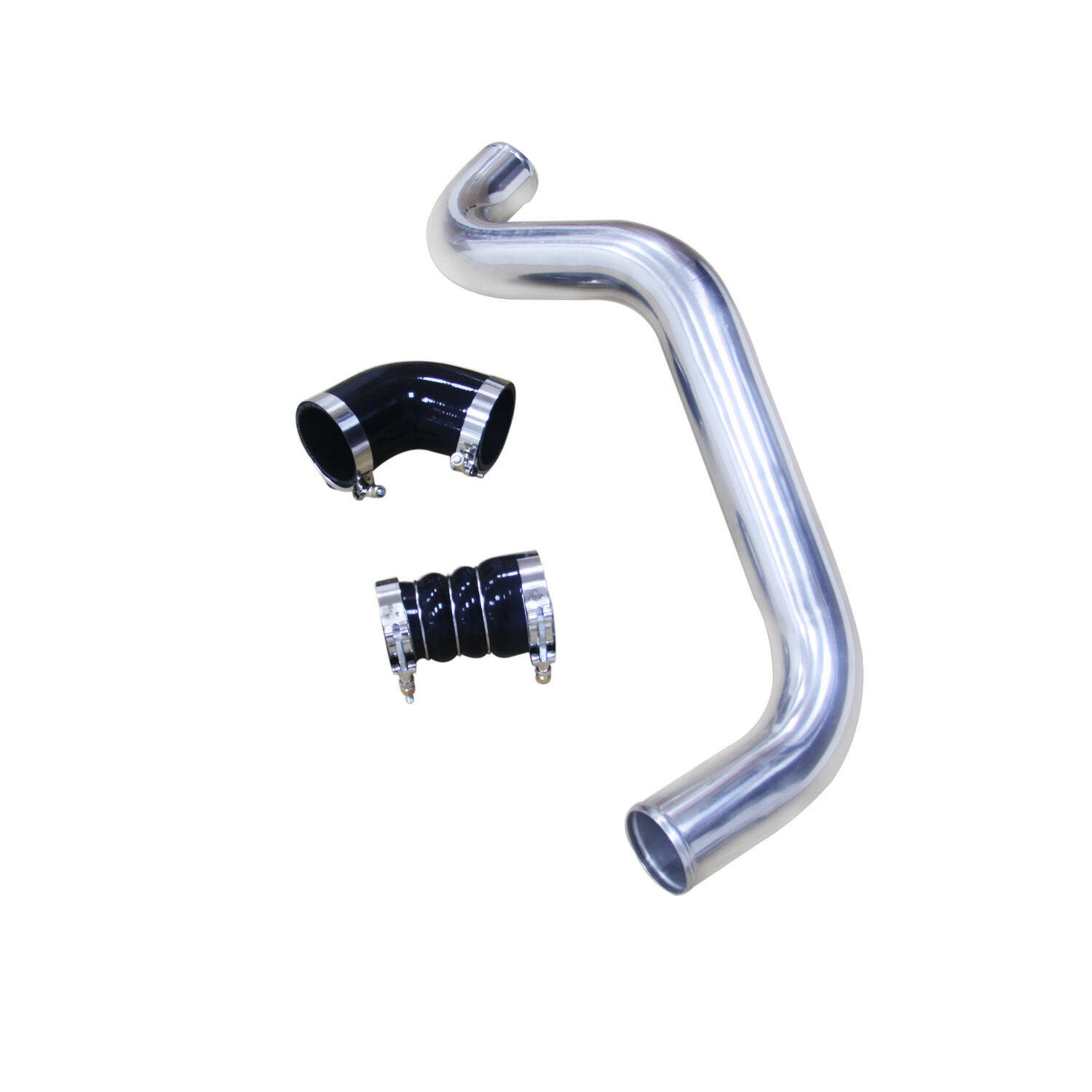
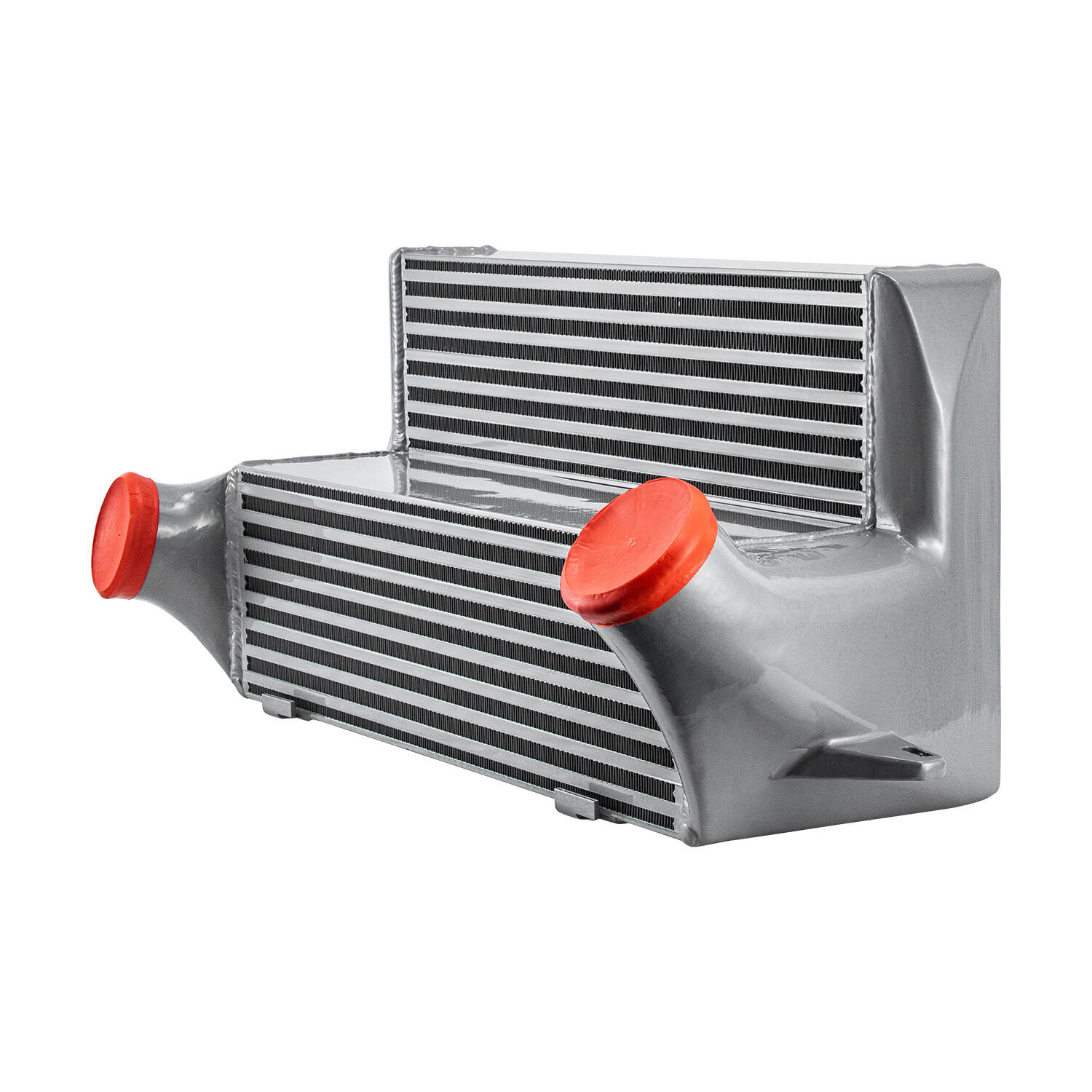
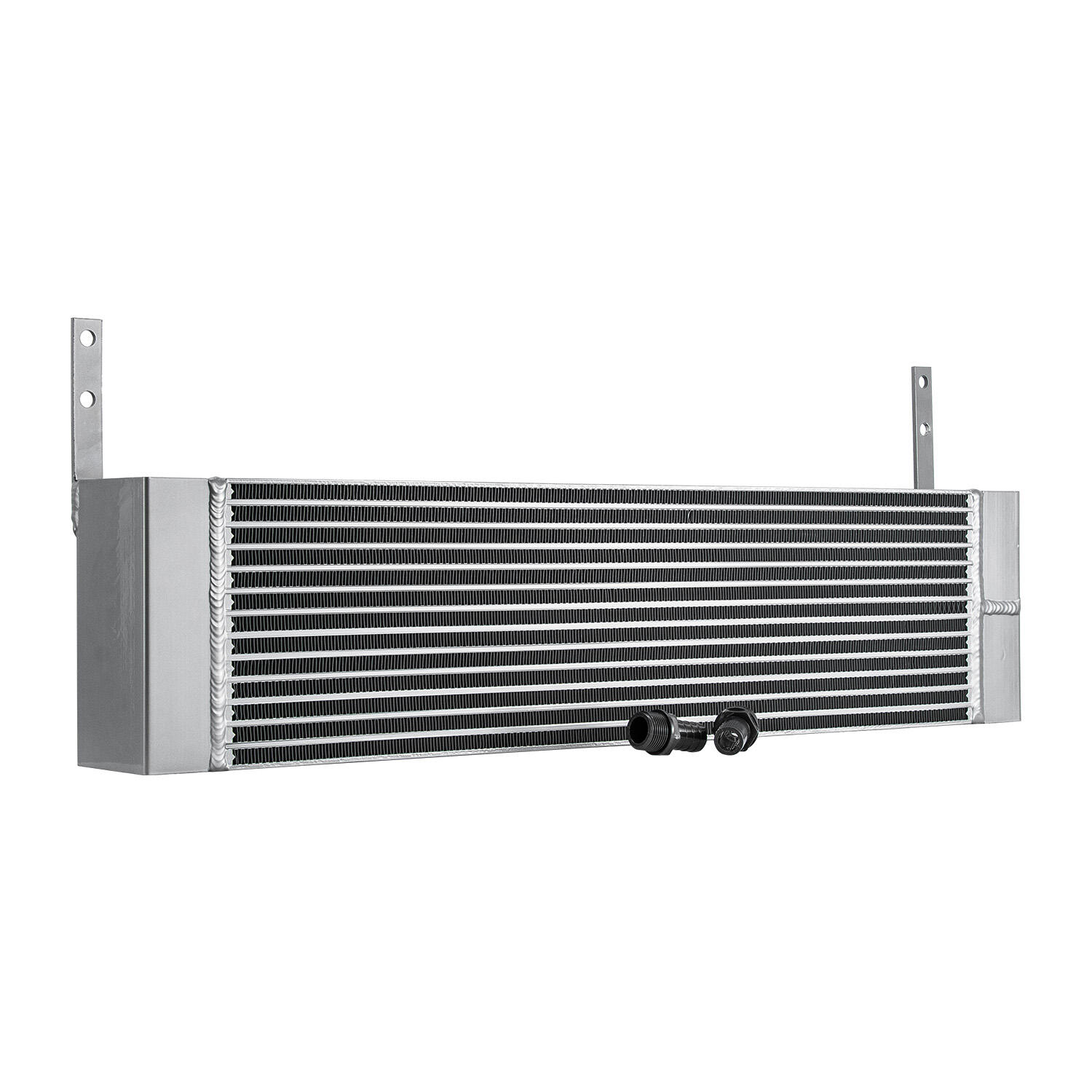
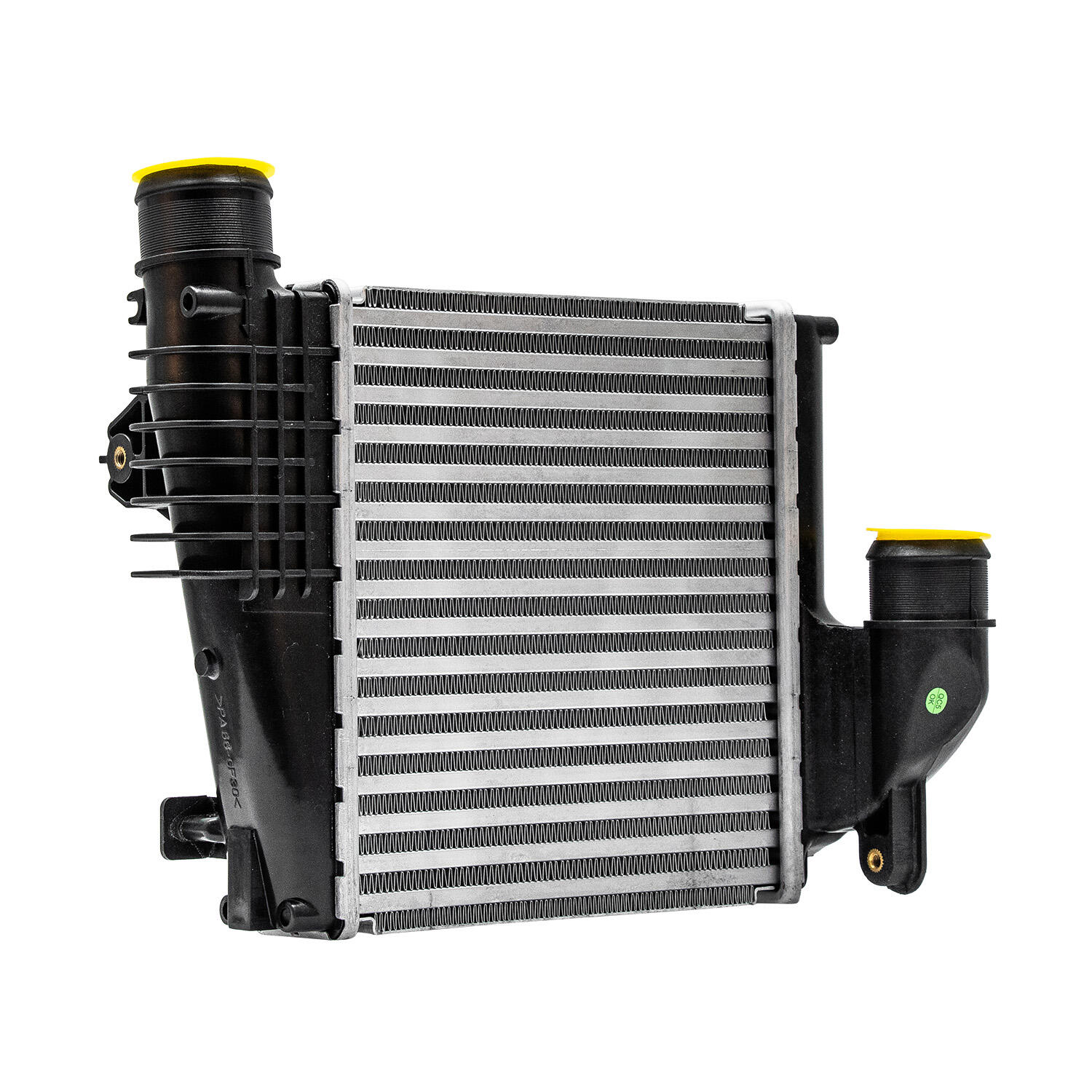
A performance intercooler represents a critical upgrade component in forced induction automotive systems, serving as an advanced heat exchanger that dramatically improves engine efficiency and power output. This sophisticated cooling device operates by reducing the temperature of compressed air flowing from turbochargers or superchargers before it enters the engine combustion chambers. The primary function centers on maximizing air density, which directly correlates to increased oxygen content available for fuel combustion. When air gets compressed by forced induction systems, temperatures rise significantly, causing air molecules to expand and reduce density. The performance intercooler counteracts this thermal expansion by efficiently dissipating heat through its specialized core design. Modern performance intercooler units feature advanced aluminum construction with optimized fin density and tube configurations that promote maximum heat transfer while minimizing pressure drop across the system. The technological architecture typically employs either air-to-air or air-to-water cooling methodologies, each offering distinct advantages depending on application requirements. Air-to-air designs utilize ambient airflow channeled through the intercooler core, while air-to-water systems incorporate liquid cooling circuits for enhanced thermal management. Performance intercooler applications span diverse automotive sectors, from high-performance street vehicles and racing applications to heavy-duty commercial trucks and marine engines. The technology proves particularly valuable in motorsports environments where consistent power delivery under extreme conditions becomes paramount. Installation locations vary based on vehicle architecture, with front-mount, top-mount, and side-mount configurations each offering specific packaging advantages. The performance intercooler integrates seamlessly with existing engine management systems, requiring minimal modifications while delivering substantial performance gains. Quality performance intercooler units undergo rigorous testing protocols to ensure durability under high-boost conditions, with many featuring reinforced end tanks and pressure-tested cores capable of withstanding extreme operating pressures exceeding factory specifications.

New Product Releases

Performance intercooler systems deliver substantial benefits that directly translate into measurable improvements in vehicle performance, reliability, and operational efficiency. The most significant advantage lies in increased power output, as cooler intake air contains higher oxygen density, enabling more complete fuel combustion and generating additional horsepower and torque across the entire RPM range. This power increase typically ranges from 10-25% depending on boost levels and engine configuration, providing drivers with noticeably improved acceleration and overall performance capabilities. Enhanced engine reliability represents another crucial benefit, as the performance intercooler reduces intake air temperatures that would otherwise stress internal engine components. Lower combustion chamber temperatures decrease the likelihood of detonation and pre-ignition events that can cause catastrophic engine damage, particularly under high-boost conditions. The cooling effect extends component lifespan by reducing thermal stress on pistons, valves, and cylinder heads, ultimately lowering long-term maintenance costs. Improved fuel efficiency emerges as an additional advantage, since cooler, denser air promotes more efficient combustion cycles that extract maximum energy from each fuel molecule. This efficiency gain becomes particularly pronounced during highway driving and sustained high-load operations where the performance intercooler maintains consistent inlet temperatures. The system also provides better throttle response by maintaining optimal air density regardless of ambient temperature conditions, ensuring consistent performance across varying weather conditions and altitudes. Drivers experience more predictable power delivery, eliminating the performance degradation commonly associated with heat soak in stock intercooler systems. Installation flexibility offers practical benefits for various vehicle applications, with performance intercooler designs available to fit diverse engine bay configurations without requiring extensive modifications. Many units feature bolt-on installation procedures that retain factory mounting points while significantly upgrading thermal performance. The investment in a quality performance intercooler pays dividends through increased resale value, as these modifications are highly sought after by performance enthusiasts. Additionally, the enhanced cooling capacity provides headroom for future modifications, allowing owners to safely increase boost levels or add supplementary performance upgrades without exceeding thermal limitations that could compromise engine integrity.

Tips And Tricks

AI-Assisted Control Arm Diagnostics: 2025 Repair Trends

27

Aug

AI-Assisted Control Arm Diagnostics: 2025 Repair Trends

The Evolution of Automotive Suspension Diagnostics The automotive repair industry stands at the cusp of a revolutionary transformation as artificial intelligence reshapes control arm diagnostics. Traditional methods of identifying suspension issues a...
View More
How Hub Bearing Design is Changing for 2025 Performance Cars

26

Sep

How Hub Bearing Design is Changing for 2025 Performance Cars

The Evolution of Automotive Hub Bearing Technology The automotive industry stands on the cusp of a significant transformation in hub bearing design, with 2025 performance cars leading the charge toward unprecedented innovations. As vehicles become mo...
View More
How can AC condenser design affect overall automotive energy efficiency?

27

Jan

How can AC condenser design affect overall automotive energy efficiency?

Automotive air conditioning systems have become essential components in modern vehicles, directly impacting both passenger comfort and overall vehicle energy efficiency. The design and performance characteristics of an ac condenser play a crucial rol...
View More
How do AC condensers support heavy-duty and commercial transport vehicles?

27

Jan

How do AC condensers support heavy-duty and commercial transport vehicles?

Heavy-duty and commercial transport vehicles rely on robust air conditioning systems to maintain optimal operating conditions for both cargo preservation and driver comfort. The ac condenser serves as a critical component in these demanding applicati...
View More

Get a Free Quote

Our representative will contact you soon.
Email
Name
Company Name
WhatsApp
Message
0/1000

performance intercooler

Advanced Heat Transfer Technology Maximizes Cooling Efficiency

Advanced Heat Transfer Technology Maximizes Cooling Efficiency

The performance intercooler incorporates cutting-edge heat transfer technology that sets it apart from standard factory cooling systems, delivering superior thermal management capabilities that directly impact engine performance and longevity. At the core of this technology lies a precision-engineered aluminum construction featuring optimized fin density and tube geometry specifically designed to maximize heat dissipation while minimizing airflow restriction. The internal core architecture utilizes advanced manufacturing techniques including vacuum brazing and CAD-optimized flow patterns that create turbulent air movement within the cooling passages, dramatically increasing heat transfer coefficients compared to conventional designs. This sophisticated engineering approach results in intake air temperature reductions of 100-200 degrees Fahrenheit compared to stock intercoolers, translating directly into increased air density and improved combustion efficiency. The performance intercooler features enlarged core dimensions that provide significantly greater surface area for heat exchange, while specialized end tank designs ensure optimal air distribution across the entire cooling matrix. Advanced computational fluid dynamics modeling guides the internal passage configuration, creating ideal flow characteristics that prevent hot spots and maintain consistent cooling performance across all operating conditions. The technology incorporates high-efficiency fins with carefully calculated spacing that balances maximum heat transfer with minimal pressure drop, ensuring that cooling gains do not compromise turbocharger efficiency or create unwanted backpressure in the intake system. Materials selection plays a crucial role in the thermal performance, with high-grade aluminum alloys chosen for their superior thermal conductivity properties and corrosion resistance in harsh automotive environments. The manufacturing process includes precision welding techniques that create leak-proof joints capable of withstanding extreme pressure differentials while maintaining structural integrity under high-vibration conditions. This advanced heat transfer technology enables the performance intercooler to maintain consistent cooling performance even during extended high-load operations, preventing the thermal saturation that commonly affects stock cooling systems during aggressive driving or racing applications.
Engineered for Maximum Durability Under Extreme Operating Conditions

Engineered for Maximum Durability Under Extreme Operating Conditions

The performance intercooler demonstrates exceptional durability characteristics specifically engineered to withstand the demanding conditions encountered in high-performance automotive applications, ensuring reliable operation across extended service intervals while maintaining peak cooling efficiency. Construction methodology emphasizes robust materials selection and advanced manufacturing processes that create a cooling system capable of handling boost pressures significantly exceeding factory specifications without compromising structural integrity or performance. The core assembly features reinforced aluminum construction with thicker wall sections and strengthened joint designs that resist deformation under extreme pressure cycling, while specialized end tank configurations incorporate additional reinforcement ribs that distribute stress loads evenly across mounting interfaces. Quality control procedures include comprehensive pressure testing protocols that subject each performance intercooler to pressures exceeding maximum anticipated operating conditions, ensuring leak-proof operation throughout the product lifecycle. The durability engineering extends to environmental resistance, with specialized coating treatments that protect against corrosion, road salt exposure, and temperature cycling effects that typically degrade standard cooling components over time. Mounting hardware utilizes stainless steel fasteners and reinforced brackets designed to absorb vibration loads while maintaining secure installation under racing conditions or aggressive street driving scenarios. The performance intercooler undergoes extensive thermal cycling tests that simulate years of operation under varying temperature conditions, validating the expansion joint designs and material compatibility that prevent stress cracking or joint failure. Internal flow passages feature smooth transitions and radiused corners that eliminate stress concentration points while facilitating easy cleaning and maintenance procedures that extend operational lifespan. The engineering approach includes consideration for real-world operating conditions including debris impact resistance, with protective features that shield critical cooling surfaces from road hazards while maintaining optimal airflow characteristics. Warranty coverage reflects manufacturer confidence in durability engineering, with many performance intercooler units backed by comprehensive warranties that cover both materials and workmanship defects. Field testing in motorsports applications provides validation of durability claims, with professional racing teams relying on these cooling systems for season-long competition without performance degradation or reliability concerns.
Universal Compatibility with Seamless Integration Capabilities

Universal Compatibility with Seamless Integration Capabilities

The performance intercooler offers exceptional versatility through universal compatibility features and seamless integration capabilities that accommodate diverse vehicle platforms while maintaining factory-level fit and finish standards. Engineering teams develop comprehensive fitment solutions that address the unique packaging constraints and mounting requirements of different vehicle architectures, ensuring optimal installation outcomes without requiring extensive modifications or custom fabrication work. The modular design approach incorporates adjustable mounting provisions and multiple configuration options that adapt to front-mount, top-mount, and side-mount installations while preserving essential vehicle systems including air conditioning, power steering, and cooling system components. Compatibility extends across various turbocharger and supercharger applications, with inlet and outlet sizing options that match factory connections or accommodate aftermarket forced induction upgrades without requiring additional piping modifications. The performance intercooler features precision-manufactured mounting brackets and hardware kits that align perfectly with factory mounting points, maintaining proper suspension geometry and ensuring vibration-free operation under all driving conditions. Integration considerations include clearance optimization for factory body panels and bumper assemblies, with many designs specifically engineered to work within existing openings while maximizing cooling efficiency and maintaining aesthetic appeal. The installation process typically requires minimal tools and mechanical expertise, with comprehensive instructions and technical support resources that guide customers through proper mounting procedures and system integration steps. Compatibility testing encompasses extensive vehicle-specific validation that confirms proper fitment and performance across target applications, with dimensional verification and clearance analysis ensuring trouble-free installation experiences. The performance intercooler incorporates standardized connection interfaces that simplify integration with existing intake piping and charge air routing, while optional adapter kits accommodate unique applications or custom installations. Quality assurance procedures include vehicle-specific test installations that validate fitment accuracy and identify potential interference issues before products reach customers, ensuring consistent installation success rates. Technical support resources provide ongoing assistance for integration challenges, with application specialists available to address specific fitment questions or recommend optimal configuration options for unique vehicle setups. The universal compatibility extends to engine management system integration, with performance characteristics designed to work effectively with both factory and aftermarket tuning solutions while providing the thermal headroom necessary for future performance modifications.
Get a Quote Get a Quote Email Email WhatsApp WhatsApp WeChat WeChat
WeChat
TopTop

Get a Free Quote

Our representative will contact you soon.
Email
Name
Company Name
WhatsApp
Message
0/1000

Get a Free Quote

Our representative will contact you soon.
Email
Name
Company Name
WhatsApp
Message
0/1000

Get a Free Quote

Our representative will contact you soon.
Email
Name
Company Name
WhatsApp
Message
0/1000