Air Intercooler Systems: Boost Engine Performance, Efficiency and Reliability

All Categories

Get a Free Quote

Our representative will contact you soon.
Email
Name
Company Name
WhatsApp
Message
0/1000

air intercooler

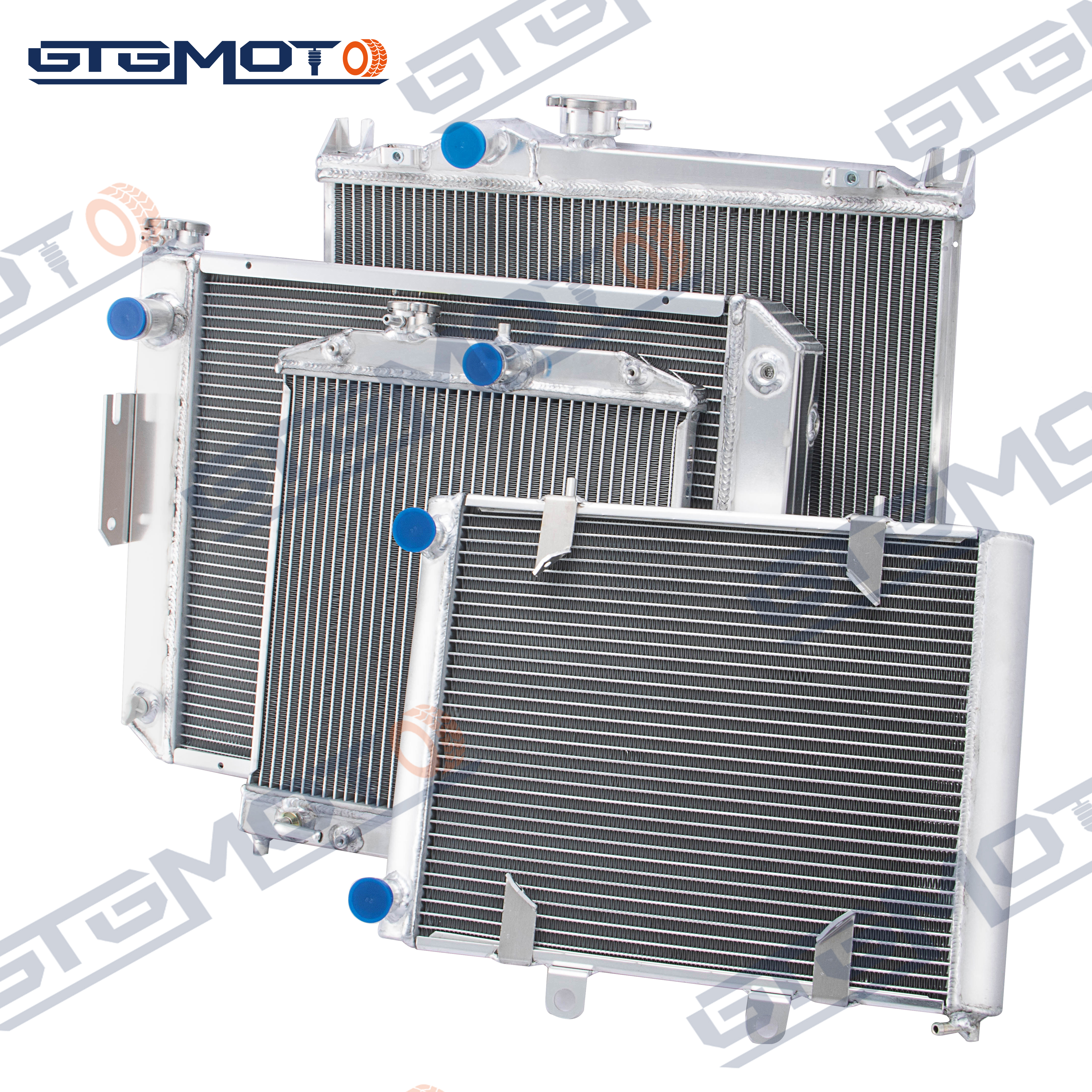
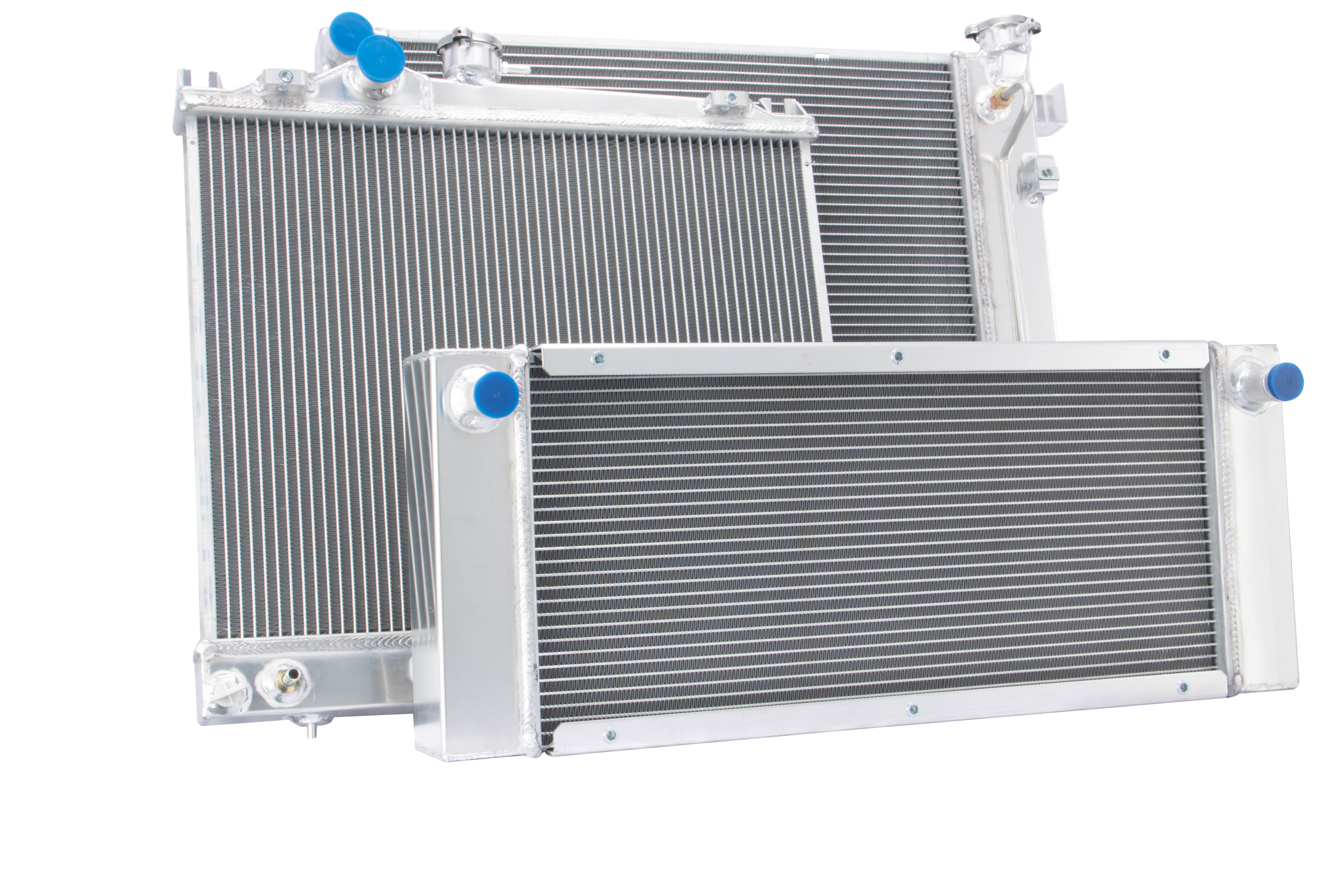
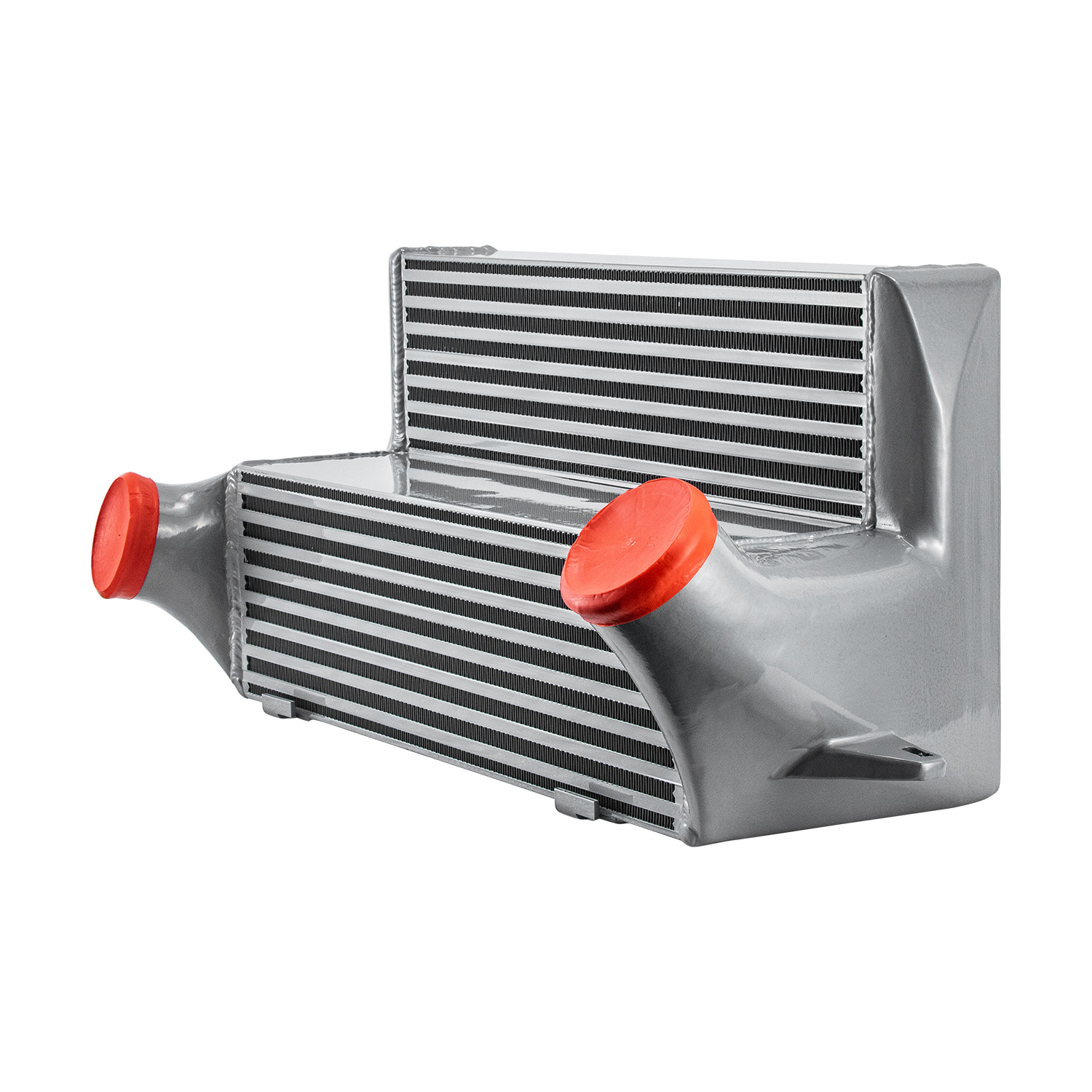
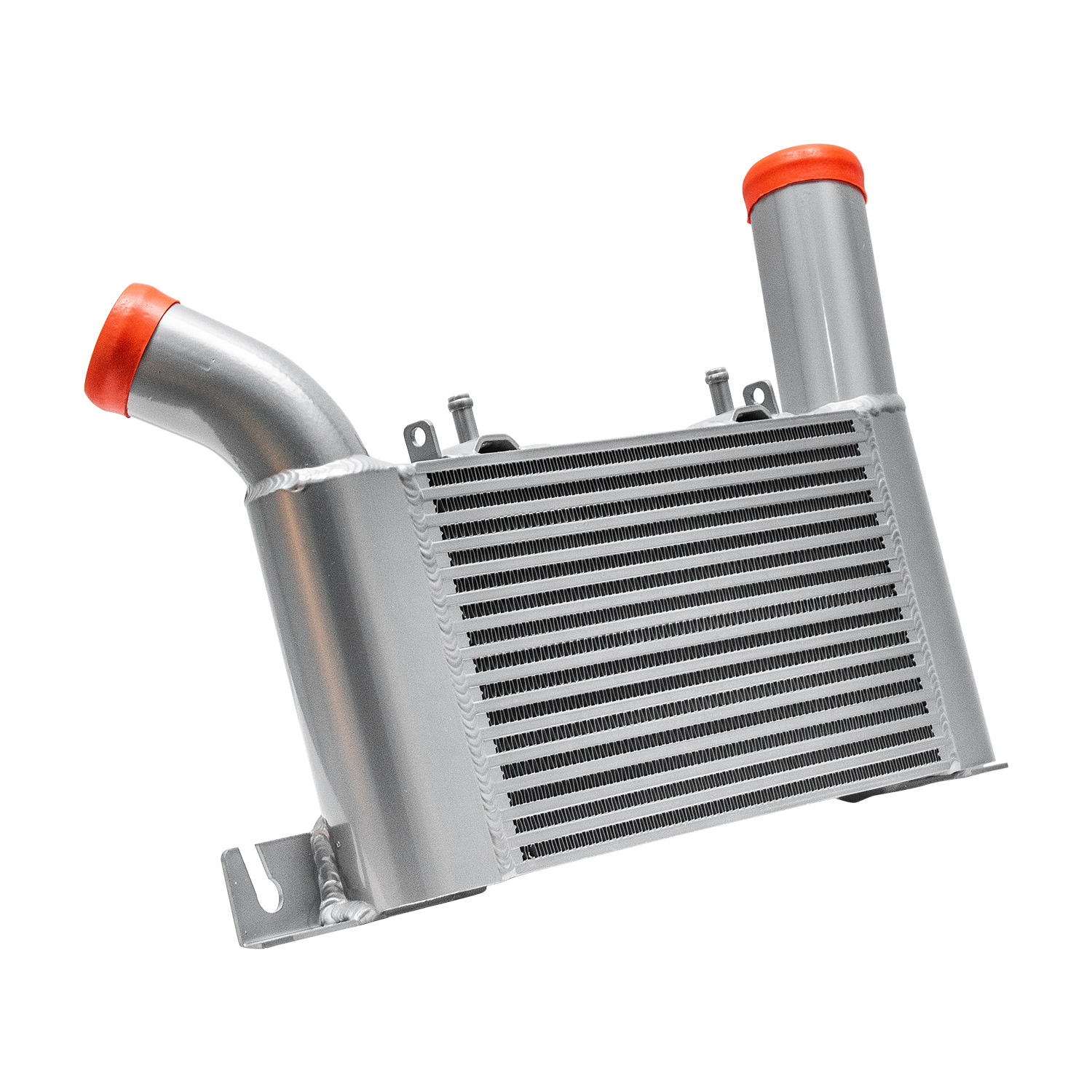
An air intercooler represents a critical thermal management component designed to reduce the temperature of compressed air before it enters an engine's combustion chamber. This heat exchanger operates on fundamental thermodynamic principles, extracting thermal energy from pressurized air that has been heated during the compression process in turbochargers or superchargers. The primary function of an air intercooler centers on increasing air density by lowering its temperature, which directly translates to improved engine performance and efficiency. When air passes through a turbocharger, compression generates significant heat that reduces air density and oxygen content. The air intercooler addresses this challenge by positioning itself between the turbocharger outlet and the engine intake manifold, creating an opportunity for heat dissipation. Modern air intercooler designs utilize aluminum construction with precisely engineered fin patterns that maximize surface area contact with ambient air. The core technology involves either air-to-air or air-to-water cooling methods, with air-to-air configurations being most common in automotive applications due to their simplicity and reliability. These systems feature inlet and outlet tanks connected by multiple tubes surrounded by cooling fins that facilitate heat transfer. Applications span across automotive performance vehicles, commercial trucks, marine engines, industrial compressors, and aerospace systems. In automotive contexts, the air intercooler proves essential for turbocharged engines seeking optimal power output while maintaining reliability. The component's strategic placement typically occurs at the vehicle's front end where maximum airflow exposure occurs during motion. Racing applications demand high-performance air intercooler systems with enhanced cooling capacity to sustain extreme operating conditions. Industrial applications benefit from air intercooler technology in compressed air systems where moisture removal and temperature control ensure equipment longevity. The technological evolution of air intercooler design has produced increasingly efficient configurations with minimal pressure drop characteristics, ensuring that cooling benefits do not compromise airflow velocity or volume reaching the engine.

New Product Recommendations

The implementation of an air intercooler delivers measurable performance improvements that directly impact engine output and operational efficiency. Cooler intake air contains more oxygen molecules per unit volume compared to hot compressed air, enabling more complete fuel combustion and generating increased power from each engine cycle. This density advantage typically produces power gains ranging from fifteen to twenty percent in turbocharged applications without requiring internal engine modifications. Fuel economy improvements represent another significant benefit, as the air intercooler allows engines to operate more efficiently by optimizing the air-fuel mixture. When combustion occurs with properly cooled intake air, fuel burns more completely, reducing waste and improving miles per gallon figures. Engine longevity extends considerably with air intercooler installation because lower intake temperatures reduce thermal stress on internal components including pistons, valves, and cylinder walls. Excessive heat accelerates wear patterns and can cause premature failure of critical engine parts, making temperature management essential for long-term reliability. The air intercooler prevents detonation and pre-ignition issues that plague turbocharged engines running hot intake air, protecting against catastrophic engine damage. Throttle response becomes sharper and more immediate with an air intercooler system because denser air charges fill cylinders more quickly and completely. Drivers experience improved acceleration and power delivery across the entire RPM range rather than just at peak boost levels. Emission reductions occur naturally when combustion efficiency improves, helping vehicles meet increasingly strict environmental regulations while maintaining performance standards. The air intercooler requires minimal maintenance compared to other performance modifications, typically needing only periodic cleaning to remove debris from cooling fins. Installation costs remain reasonable relative to the performance benefits gained, making the air intercooler one of the most cost-effective upgrades available for turbocharged engines. Versatility allows air intercooler systems to adapt to various vehicle configurations and performance goals through different core sizes and mounting positions. Reliability proves exceptional because air intercooler designs contain no moving parts or complex mechanisms that could fail during operation. The cooling effect remains consistent across different operating conditions, providing dependable performance whether driving in city traffic or sustained highway speeds. Tuning flexibility increases with an air intercooler installed because engine management systems can safely accommodate higher boost pressures without risking damage from excessive intake temperatures. Professional mechanics and performance enthusiasts recognize the air intercooler as a foundational modification that supports additional upgrades including larger turbochargers and aggressive tuning strategies.

Latest News

How do hub bearings differ between passenger and heavy-duty vehicles?

30

Mar

How do hub bearings differ between passenger and heavy-duty vehicles?

Hub bearings serve as critical components in automotive wheel assemblies, enabling smooth rotation while supporting the vehicle's weight. However, the engineering requirements and design specifications for hub bearings vary dramatically between passe...
View More
How do buyers verify compatibility when sourcing universal intercoolers?

30

Mar

How do buyers verify compatibility when sourcing universal intercoolers?

When sourcing universal intercoolers for automotive applications, compatibility verification stands as the most critical step that determines project success or failure. Unlike vehicle-specific intercooler units that come with predetermined fitment s...
View More
What should importers check when selecting universal intercooler suppliers?

30

Mar

What should importers check when selecting universal intercooler suppliers?

Selecting the right universal intercooler suppliers is a critical decision that can significantly impact import businesses, product quality, and customer satisfaction. Importers face numerous challenges when evaluating potential suppliers, from verif...
View More
Which materials impact intercooler tube durability and heat resistance?

21

Apr

Which materials impact intercooler tube durability and heat resistance?

The material composition of intercooler tubes directly determines their operational lifespan, thermal performance, and resistance to extreme automotive environments. Understanding which materials impact intercooler tube durability becomes critical wh...
View More

Get a Free Quote

Our representative will contact you soon.
Email
Name
Company Name
WhatsApp
Message
0/1000

air intercooler

Enhanced Engine Power Through Superior Cooling Efficiency

Enhanced Engine Power Through Superior Cooling Efficiency

The air intercooler transforms turbocharged engine performance by addressing the fundamental challenge of heat generation during air compression. When a turbocharger compresses ambient air to increase engine power, the compression process inevitably raises air temperature significantly, sometimes exceeding 200 degrees Fahrenheit above ambient conditions. This temperature increase creates a counterproductive situation where the compressed air becomes less dense, containing fewer oxygen molecules per unit volume than cooler air at the same pressure. The air intercooler solves this problem through sophisticated heat exchange technology that rapidly dissipates thermal energy before compressed air reaches the combustion chamber. Modern air intercooler designs feature precisely calculated tube and fin configurations that maximize contact between hot compressed air and cooling surfaces while maintaining smooth airflow with minimal turbulence. The aluminum construction provides excellent thermal conductivity, quickly transferring heat from the compressed air stream to the external cooling fins where ambient airflow carries it away. This cooling process typically reduces intake air temperature by 100 to 150 degrees Fahrenheit, dramatically increasing air density and oxygen content. The performance impact becomes immediately noticeable as engines produce substantially more power across the entire operating range. Peak horsepower figures increase because each combustion cycle benefits from the additional oxygen available in cooler, denser air charges. Torque curves broaden and flatten, delivering stronger acceleration from lower RPMs through redline. The air intercooler enables engines to sustain higher boost pressures safely because cooler intake temperatures provide greater margin against detonation limits. Professional tuners leverage this thermal management capability to extract maximum performance while maintaining reliability standards. Racing applications particularly benefit from air intercooler technology because sustained high-load operation generates extreme heat that would otherwise limit power output and risk engine damage. The cooling efficiency of a properly sized air intercooler remains consistent even during extended performance driving, unlike engines without intercooling that experience power loss as intake temperatures climb. This reliability factor makes the air intercooler indispensable for serious performance applications where consistent power delivery determines competitive success.
Improved Fuel Economy and Reduced Operating Costs

Improved Fuel Economy and Reduced Operating Costs

Beyond raw performance gains, the air intercooler delivers significant economic benefits through improved fuel efficiency and reduced maintenance expenses. The relationship between intake air temperature and fuel economy stems from combustion efficiency principles that govern internal combustion engines. When an air intercooler reduces intake temperatures, the resulting denser air charge allows for more precise fuel metering and more complete combustion of each fuel droplet injected into the cylinder. Modern engine management systems continuously monitor intake air temperature and adjust fuel delivery accordingly, but even sophisticated electronics cannot overcome the fundamental inefficiency of burning fuel in oxygen-depleted hot air. The air intercooler provides the thermal management necessary for optimal air-fuel ratios across all operating conditions, translating directly to measurable fuel economy improvements. Real-world testing consistently demonstrates fuel consumption reductions of five to ten percent in vehicles equipped with properly functioning air intercooler systems compared to identical vehicles without intercooling. These savings accumulate substantially over the vehicle's lifetime, offsetting the initial investment in air intercooler equipment within the first year of operation for many commercial applications. Fleet operators particularly value this economic benefit because fuel represents one of the largest ongoing operational expenses. The air intercooler also reduces maintenance costs by protecting engine components from thermal stress and detonation damage. Lower intake temperatures mean lower combustion chamber temperatures, which directly reduces thermal cycling stress on pistons, rings, valves, and cylinder heads. This protection extends component service life and reduces the frequency of major repairs and rebuilds. The air intercooler prevents the knock and pre-ignition conditions that can destroy engines in seconds, providing insurance against catastrophic failures that result in complete engine replacement. Turbocharger longevity improves as well because the air intercooler reduces backpressure and thermal load on the turbine housing and compressor wheel. The simple, passive design of air intercooler systems means maintenance requirements remain minimal, typically limited to occasional cleaning of external fins to maintain optimal airflow. This low-maintenance characteristic contrasts favorably with other performance modifications that require regular service, adjustments, or component replacement. The durability of quality air intercooler construction ensures decades of reliable service without degradation in cooling performance, making it a one-time investment that continues delivering benefits throughout the vehicle's operational life.
Versatile Applications Across Multiple Industries and Vehicle Types

Versatile Applications Across Multiple Industries and Vehicle Types

The air intercooler demonstrates remarkable versatility in serving diverse applications ranging from passenger vehicles to heavy industrial equipment. Automotive enthusiasts recognize the air intercooler as essential equipment for any turbocharged performance vehicle, whether a compact sport sedan, muscle car, or exotic supercar. The technology scales effectively across different engine sizes and boost levels, with air intercooler cores available in configurations optimized for specific power targets and packaging constraints. Street performance applications typically utilize front-mounted air intercooler systems that take advantage of direct airflow exposure during normal driving, providing excellent cooling efficiency without requiring additional fans or pumps. Track-focused vehicles may employ larger air intercooler cores with aggressive fin designs that prioritize maximum heat dissipation over concerns about minor pressure drop. Commercial trucking operations depend heavily on air intercooler technology to maintain efficiency and reliability in long-haul applications where engines operate under sustained load for extended periods. The air intercooler enables modern diesel engines to meet stringent emissions regulations while delivering the torque and fuel economy that commercial operators demand. Marine applications present unique challenges that air intercooler systems address through corrosion-resistant materials and designs optimized for the humid, salt-laden environments encountered on water. Recreational boating, commercial fishing vessels, and military craft all benefit from the performance and reliability improvements that air intercooler technology provides. Industrial compressor systems utilize air intercooler principles to improve efficiency and reduce moisture content in compressed air supplies used for manufacturing processes and pneumatic tools. The cooling effect of an air intercooler causes water vapor to condense and separate from the air stream, protecting downstream equipment from moisture damage. Aerospace applications employ specialized air intercooler designs in turboprop engines and auxiliary power units where weight constraints demand compact, lightweight solutions without compromising cooling performance. Agricultural equipment manufacturers integrate air intercooler systems into tractors and harvesters where reliable power delivery under varying load conditions proves essential for productivity. The construction and mining industries rely on air intercooler-equipped engines in excavators, loaders, and haul trucks that operate in demanding environments with extreme temperatures and heavy dust exposure. Each application benefits from the fundamental advantages that air intercooler technology provides: increased power density, improved efficiency, enhanced reliability, and extended component life. The adaptability of air intercooler designs allows engineers to optimize configurations for specific requirements, whether prioritizing maximum cooling capacity, minimal size and weight, or lowest possible cost.
Get a Quote Get a Quote Email Email WhatsApp WhatsApp WeChat WeChat
WeChat
TopTop

Get a Free Quote

Our representative will contact you soon.
Email
Name
Company Name
WhatsApp
Message
0/1000

Get a Free Quote

Our representative will contact you soon.
Email
Name
Company Name
WhatsApp
Message
0/1000

Get a Free Quote

Our representative will contact you soon.
Email
Name
Company Name
WhatsApp
Message
0/1000