
 EN
EN
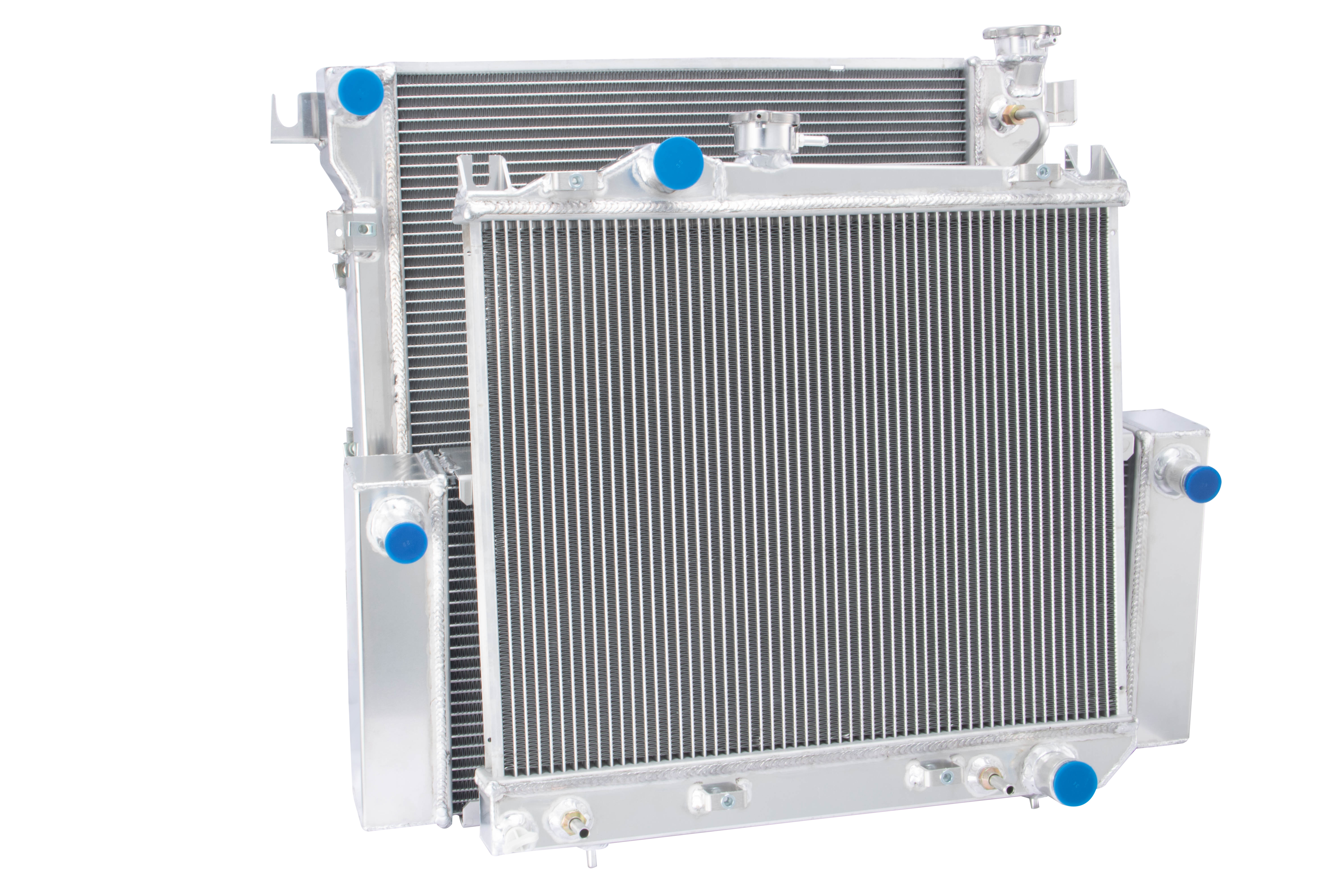
For OEM-købere, der er ansvarlige for vedligeholdelse eller samling af landbrugs- og byggeudstyr, er køb af den rigtige radiator en afgørende indkøbsbeslutning. En radiator er ikke en almindelig komponent, der kan vælges udelukkende på baggrund af pris. Når anvendelsen omfatter maskiner med høj belastning, såsom John Deere-traktorer, der opererer under felterhvervsforhold, skal radiatoren opfylde strenge krav til termisk ydelse, dimensionel pasform og materialeholdbarhed. At vælge forkert betyder stoppet produktion, garantiomkostninger og dyre returtilfælde fra feltet, hvilket skader mærkeværdien.
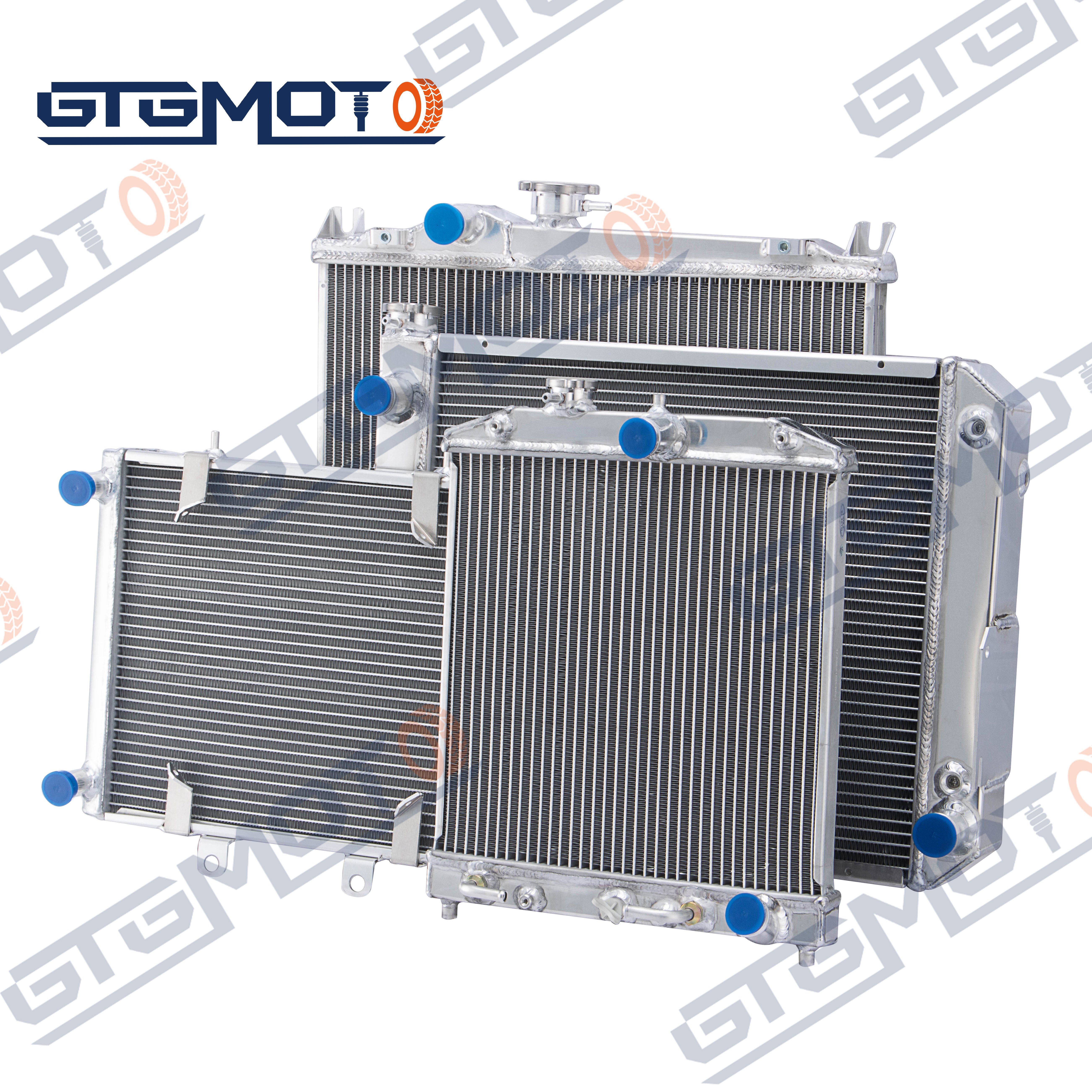
Udvalgsprocessen for en tungt belastet radiator, der bruges i John Deere-maskiner, omfatter flere niveauer af vurdering. OEM-købere starter typisk med at definere præcise tekniske specifikationer, inden de kontakter en leverandør. Derefter gennemgås vurderingen i trinene leverandørkvalificering, validering af prøver og kvalitetskontrol på produktionsniveau. At forstå hvert trin hjælper indkøbsteamene med at undgå de mest almindelige fælder og sikre en radiatorleverandør, der kan levere konsekvent kvalitet i stor skala.
Definere tekniske specifikationer for en tungt belastet radiator Radiator
Tilpasse radiatoren til maskinkravene
Før enhver indkøbsdiskussion begynder, skal OEM-købere udarbejde et komplet teknisk specifikationsark for radiatorerne. Dette omfatter kerneafmålinger, tankmateriale, finafstand, rørkonfiguration, ind- og udløbspositioner samt trykklasse. For John Deere-maskiner som 850-, 900HC- og 950-serien skal radiatorerne integreres i motorrummet uden ændringer. Selv mindste afvigelser i radiatorens dimensioner kan medføre monteringsproblemer eller ineffektiv kølevæskestrøm, hvilket påvirker motortemperaturstyringen under tung belastning.
Valg af materiale er et andet afgørende specifikationskrav for ethvert radiator, der er beregnet til krævende landbrugsomgivelser. Aluminiumskerner giver fordele i forhold til vægt og har god termisk ledningsevne, mens radiatorer fremstillet i messing og kobber foretrækkes i nogle anvendelser på grund af deres reparerbarhed og korrosionsbestandighed. OEM-købere bør tydeligt definere, hvilken materielstandard der gælder for deres radiatorkrav, inden de udsteder en anmodning om tilbud. Uklare specifikationer fører til inkonsistente prøver og spildt tid til evaluering.
Krydsreferencing af OEM-reservedelsnumre og kompatibilitetsdata
En struktureret OEM-køber vil altid sammenligne det originale radiatordelnummer med flere kompatibilitetsdatabaser, inden der købes en eftermarkedsradiator eller erstatningsradiator. John Deere-maskiner bruger specifikke radiatormodeller, som også er kompatible med Yanmar-motorer i visse konfigurationer, f.eks. YM2500 og YM3110. Denne tværgående kompatibilitet udvider sourcing-puljen og kan forbedre prisdruk. Købere skal dog sikre sig, at en tværhenvisningsradiator opfylder samme termiske belastningskapacitet – ikke kun de fysiske monteringsmål.
Vurdering og kvalificering af radiatorleverandører
Vurdering af leverandørens kapacitet til radiatorproduktion
Når specifikationerne er fastlagt, går OEM-køberne over til identificering af leverandører og vurdering af deres kompetencer. En troværdig radiatorproducent bør kunne dokumentere produktionskapacitet, certificering inden for kvalitetsstyring og erfaring med levering af radiatorer til OEM-kunder. Køberne anmoder typisk om rapporter fra fabriksrevisioner, ISO-certificeringsdokumentation og referencer fra eksisterende OEM-kunder. En radiatorleverandør, der kun sælger gennem distributionskanaler uden direkte OEM-erfaring, kan mangle de proceskontroller, der er nødvendige for konsekvent radiatorproduktion i stor skala.
Værktøjskapacitet er en afgørende differentieringsfaktor, når man indkøber en brugerdefineret eller halvbrugerdefineret radiator. Nogle radiatoranvendelser til John Deere-udstyr kræver specifikke tankkonfigurationer eller beslagplaceringer, som standard radiatorer fra lager ikke leverer. I disse tilfælde skal leverandøren have værktøjer internt eller en pålidelig værktøjspartner for at fremstille radiatorkomponenter præcis i overensstemmelse med tegningen. Købere bør anmode om gennemsigtighed vedrørende værktøjsomkostninger allerede i starten for at undgå uventede gebyrer i udviklingsfasen for radiatoren.
Validering af prøver og test af radiatorers ydeevne
Ingen OEM-indkøbsproces for en radiator må gå videre til produktion uden en vellykket validering af prøveeksemplarer. Prøveeksemplarfase for radiatoren omfatter dimensionel inspektion, tryktest for utætheder samt i nogle tilfælde termisk ydelsesprøvning på prøvebænk. For tunge anvendelser kan køberne kræve, at radiatoren gennemgår simulerede feltstressprøver, herunder vibrationstest, termisk cyklusprøvning og korrosionsbestandighedsundersøgelser. En radiator, der består den visuelle inspektion, men fejler under driftsbelastning, vil skabe langt mere kostbare problemer i feltet end omkostningerne ved grundig testning i forvejen.
OEM-købere bør også vurdere radiatorens emballage og forsendelseskonfiguration i prøvefasen. En heavy-duty-radiator til en John Deere-traktor er en skrøbelig samling, hvis den ikke emballeres korrekt. Finbeskadigelse under transport er én af de mest almindelige kvalitetsklager ved radiatorforsendelser. Leverandører, der betragter emballagen som en eftertanke, afspejler ofte en bredere kvalitetskultur, der skaber problemer gennem hele radiatorleveranceforholdet.
Styring af kvalitet og leveringskontinuitet for radiatorordrer
Indførelse af radiatorkvalitetskontrol hos leverandøren
Kvalitetskontrol på produktionsniveau for et radiatorforsyningsprogram kræver mere end en slutinspektionsliste. Ledende OEM-købere indfører procedurer for indkommande kvalitetskontrol af radiatoren, herunder periodiske tredjepartsrevisioner af fremstillingsfaciliteten. Nøgleinspektionspunkter for en radiator omfatter svejseintegritet på tankforbindelser, ensartethed af kernefinner, kvalitet af rørudvidelse samt tryktestprotokoller for hver enkelt radiatorenhed. Købere, der udelukkende stoler på leverandørens selvcertificering af radiatorkvalitet, opdager ofte fejl først efter installation, hvilket er langt dyrere at løse.
For højvolumen-radiatorprogrammer giver statistisk proceskontrolregistreringer et værdifuldt tidligt advarselssystem. Hvis en radiatorproducent registrerer udbyttet, genarbejdsrater og affaldsrater pr. produktionsbatch, kan OEM-købere identificere kvalitetstendenser, inden de udvikler sig til fejl i brug. At anmode om disse data som en del af den løbende radiatorforsyningsaftale medfører minimale omkostninger, men reducerer købsrisikoen betydeligt.
Leveringskæders robusthed for løbende radiatorindkøb
Erfarede OEM-købere forstår, at kontinuiteten i radiatorforsyningen kræver planlægning ud over den første indkøbsordre. Leveringstiderne for en tilpasset eller halvtilpasset radiator kan variere fra fire til tolv uger afhængigt af materialetilgængelighed og produktionsscheduling. Køberne bør opretholde en løbende prognose hos deres radiatorleverandør og indgå aftaler om minimumslager for kritiske John Deere-maskinmodeller. En strategi med én enkelt radiatorleverandør indebærer risiko, så mange OEM-indkøbsteam godkender mindst to radiatorleverandører for deres mest kritiske reservedelsnumre.
Prisstabilitet er en anden dimension af radiatorforsyningsstyring, som OEM-købere skal håndtere proaktivt. Råmaterialeomkostningerne for aluminium og kobber – de primære materialer i en tunglast radiator – kan variere betydeligt. At indgå årlige prisaftaler med en radiatorleverandør, der er knyttet til materialeindeksreferencer, giver omkostningsforudsigelighed uden at ofre leverandørens fleksibilitet. En velstruktureret radiatorforsyningsaftale beskytter både køberen og producenten mod prisvolatilitet på råvaremarkederne.
Ofte stillede spørgsmål
Hvilke specifikationer bør OEM-købere prioritere, når de indkøber en radiator til John Deere-maskiner?
OEM-købere bør prioritere kerndimensioner, materialetype, trykklasse og termisk kapacitet, når de indkøber en radiator til John Deere-udstyr. Det er afgørende at bekræfte kompatibiliteten med den specifikke maskinmodel og motorkonfiguration, inden der udstedes en radiatorindkøbsordre.
Hvordan kan købere verificere, at en radiatorleverandør opfylder OEM-kvalitetskravene?
Købere bør anmode om ISO-certificering, fabrikksrevisioner og produktionskvalitetsdokumentation fra eventuelle radiatorleverandører, der overvejes. At udføre en prøvevalideringsfase for radiatorer med trykprøvning og dimensionel inspektion er en standardprocedure til at bekræfte kvalitet på OEM-niveau, inden der afgives store produktionsordrer.
Hvorfor er en robust leveringskæde vigtig for indkøb af tunge radiatorer?
En strategi med én enkelt radiatorleverandør udsætter OEM-købere for produktionssvigt, manglende råmaterialer og kvalitetsproblemer. At godkende flere radiatorleverandører og vedligeholde løbende prognoser sikrer, at monteringen eller serviceprogrammerne for John Deere-maskiner ikke afbrydes på grund af manglende radiatorforsyning.